


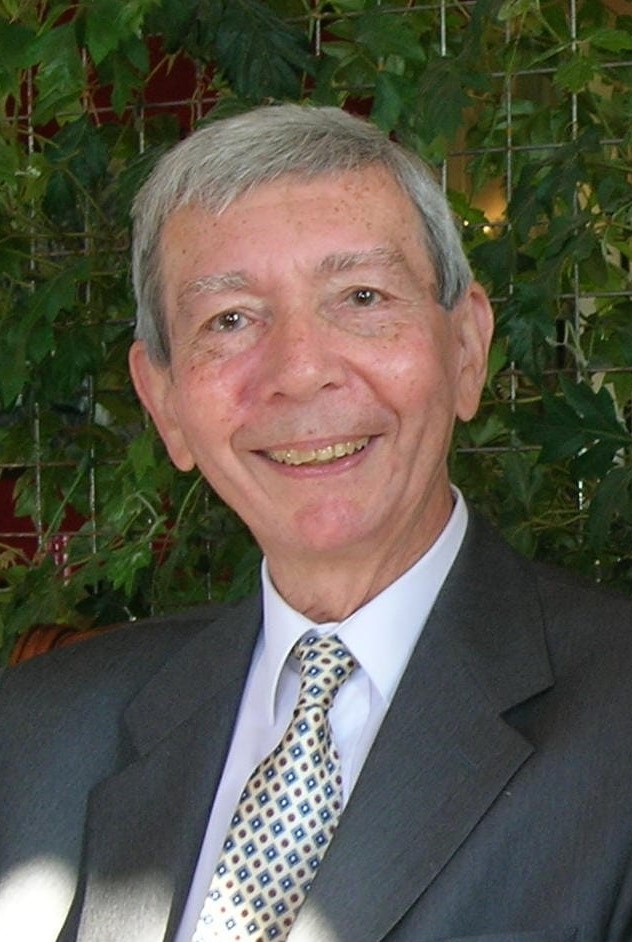
Xavier REQUILLART 1925 – 2020
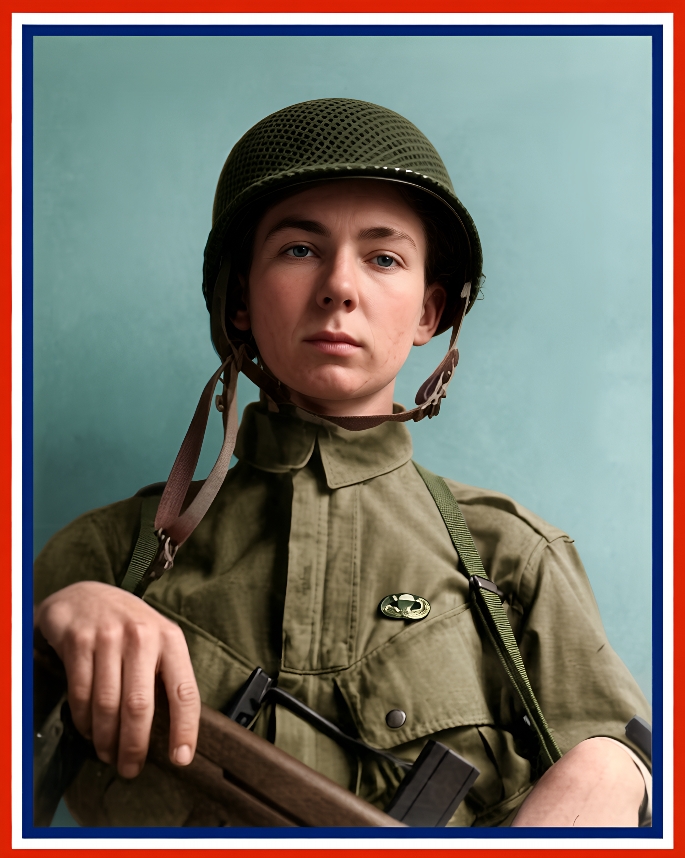
Xavier RÉQUILLART, est né le 17 septembre 1925 à Roubaix (59)., il est le fils de Pierre Réquillart et Marthe Limal.
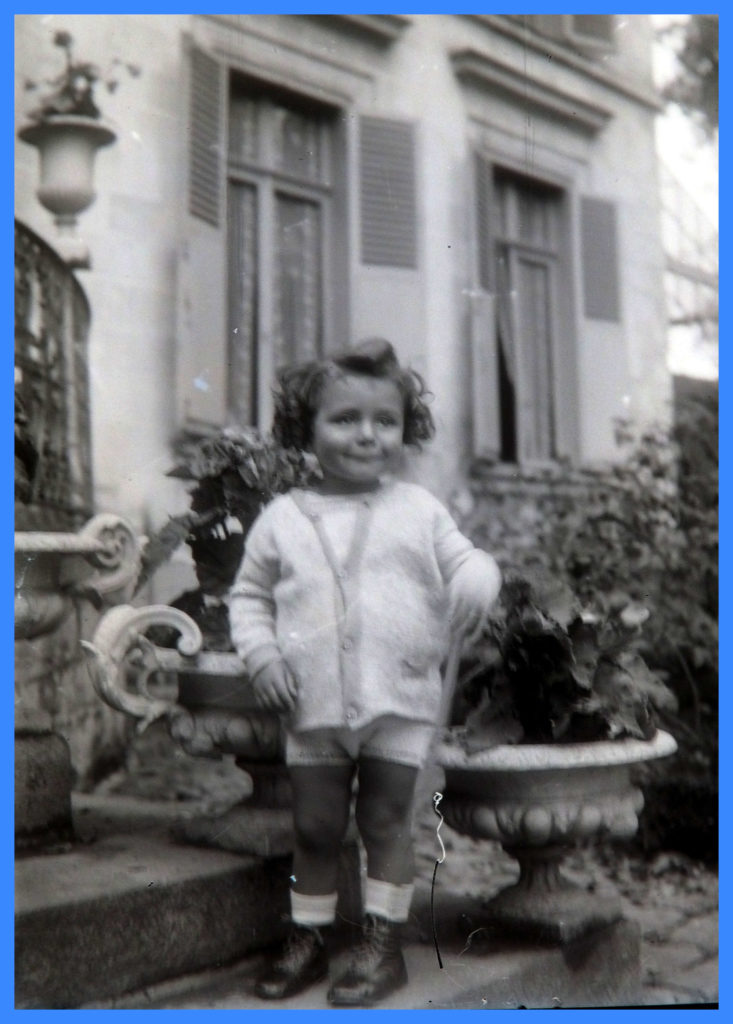
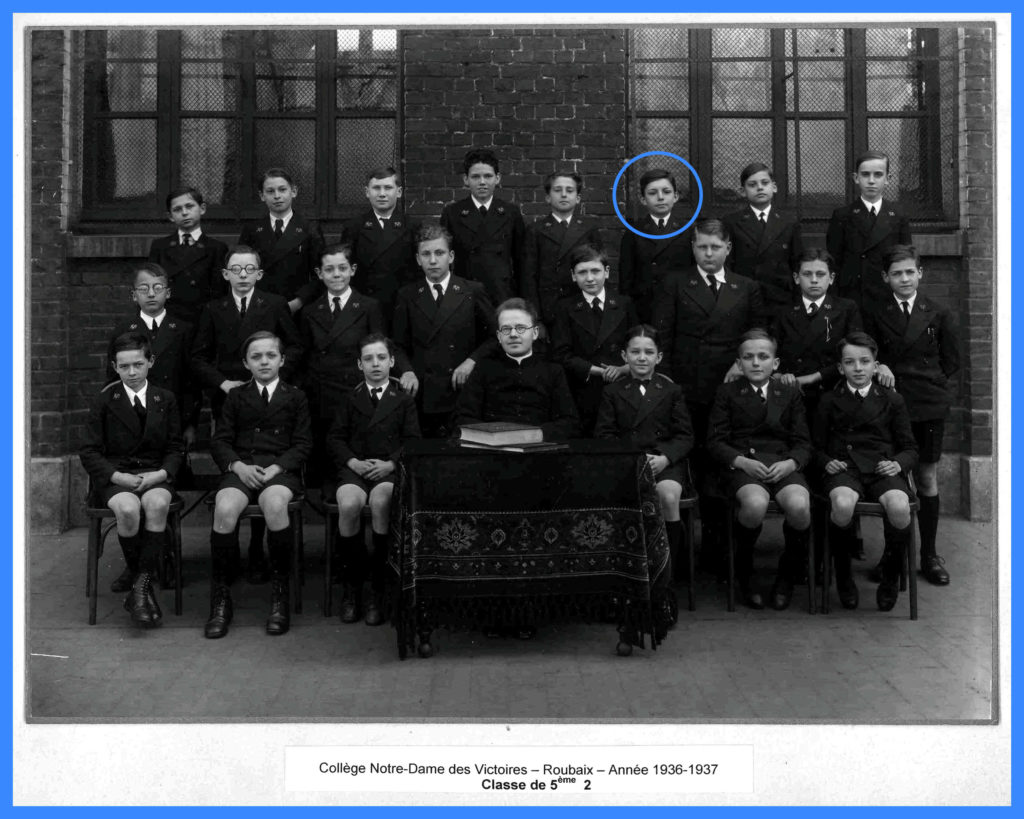
Son père, qui a combattu pendant la première guerre mondiale, est fait prisonnier à Maubeuge.
Sa première femme est décédée 1921 de la tuberculose contractée durant son évacuation de Roubaix vers la Belgique et l’Angleterre en 1915.
Elle laisse orphelins 2 enfants en bas âge, Pierre et Solange. Il se remarie en 1924 et aura 2 enfants, Janine et Xavier. Il décède en 1939 juste avant la mobilisation générale.
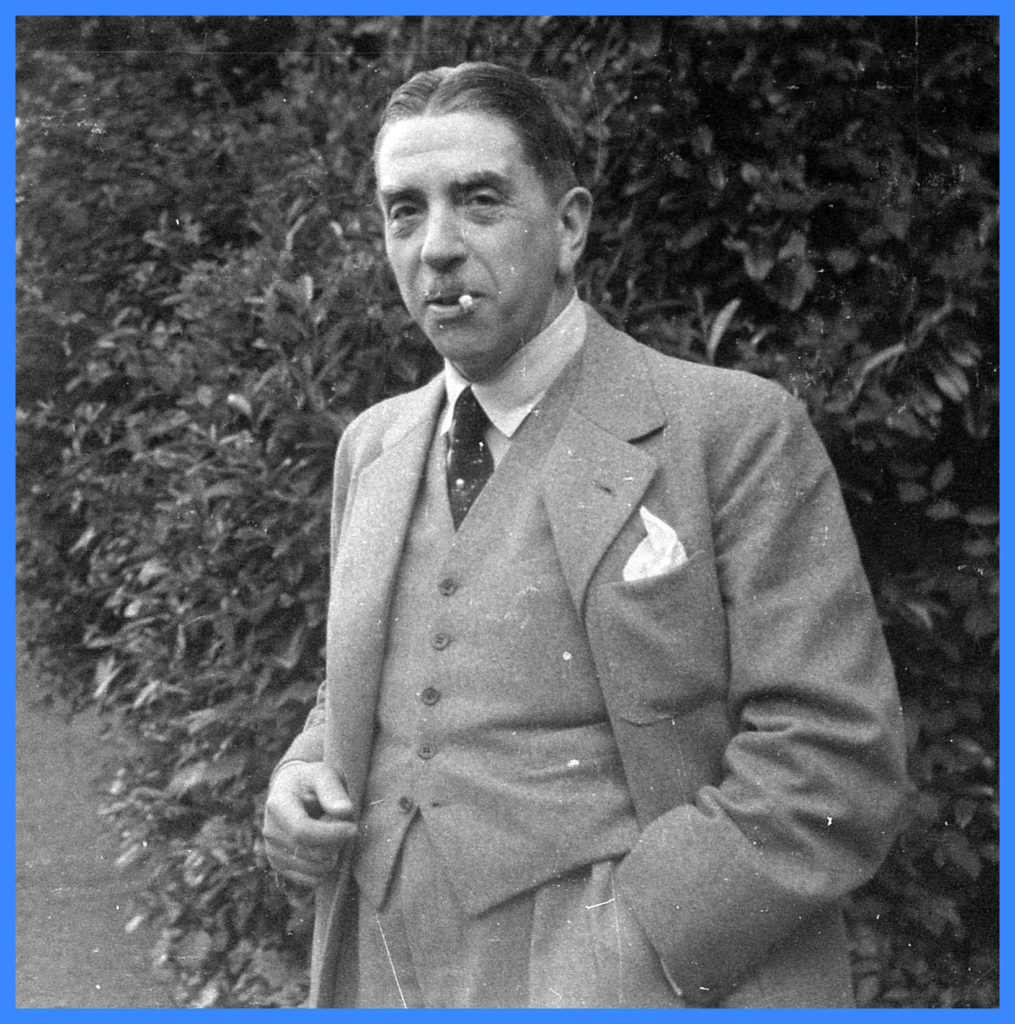
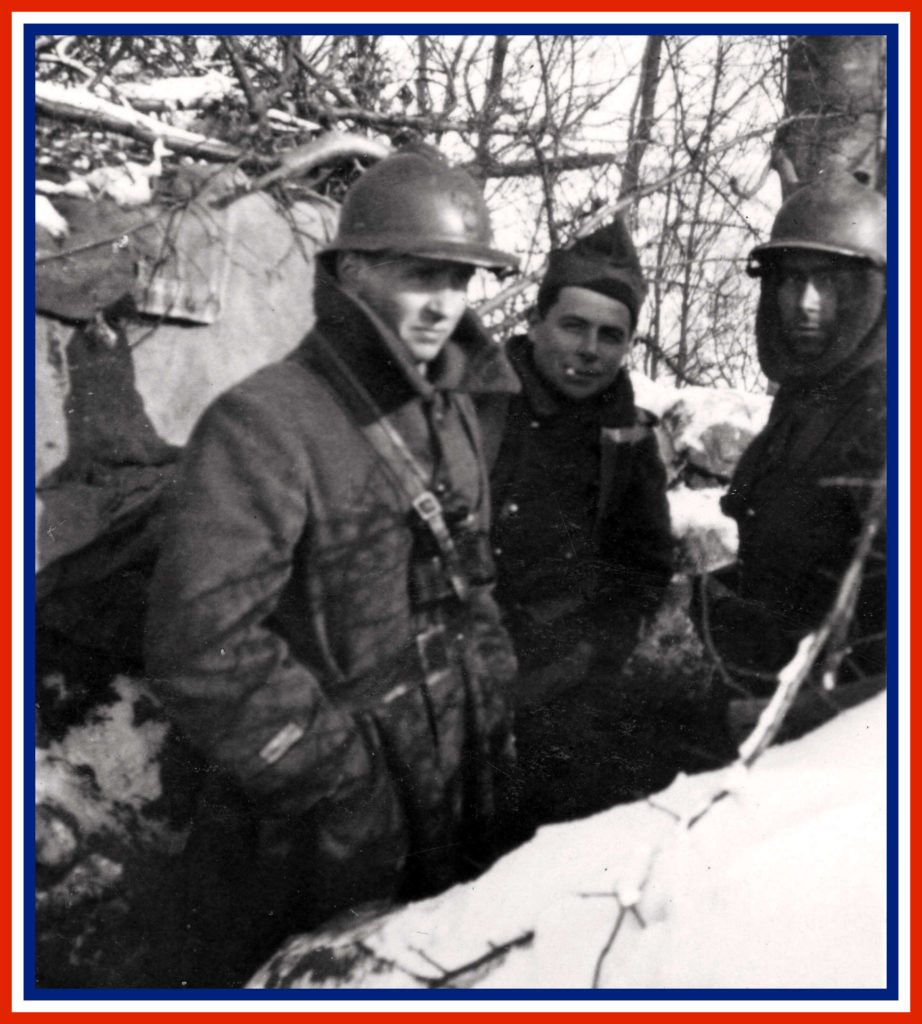
Son frère ainé Pierre est capitaine dans l’armée française.
Il est fait prisonnier par les allemands en juin 1940 et est envoyé dans un camp de prisonniers en Allemagne; l’Oflag VIIIF. Il ne sera libéré qu’en 1945.
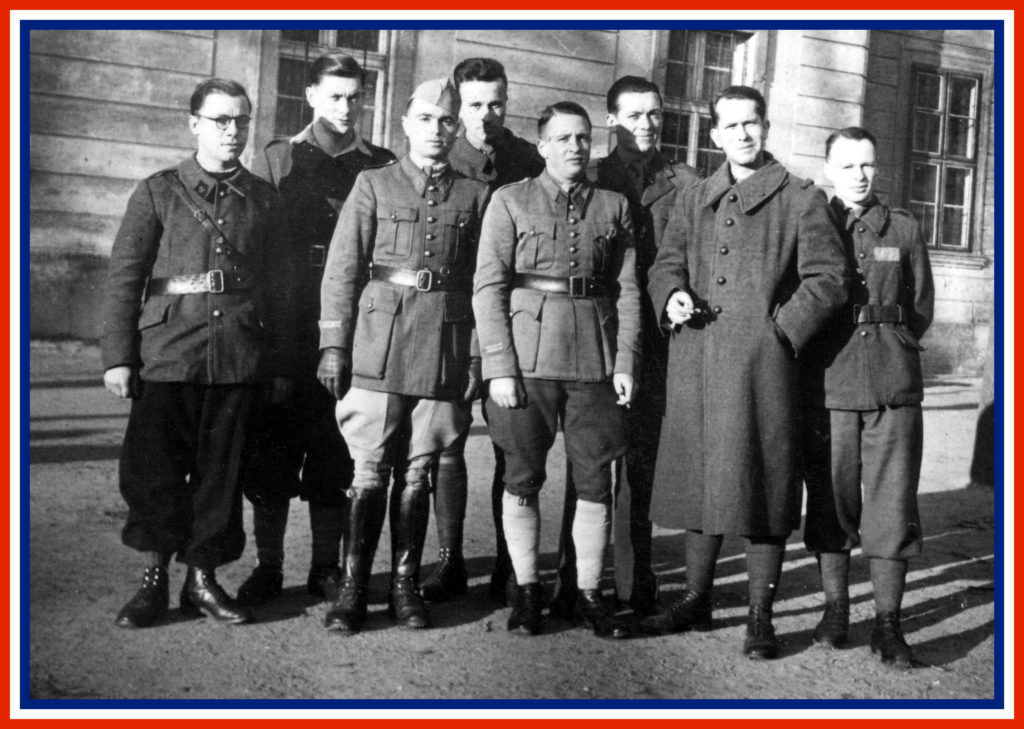
Xavier (avec ses soeurs) se rend à St Malo qui est la zone d’évacuation prévue pour les nordistes.
Rejoint par sa mère il reprend tant bien que mal le cours de ses études jusqu’en 1943, date à laquelle la famille quitte les bords de la Manche pour gagner Paris d’où est originaire sa mère.
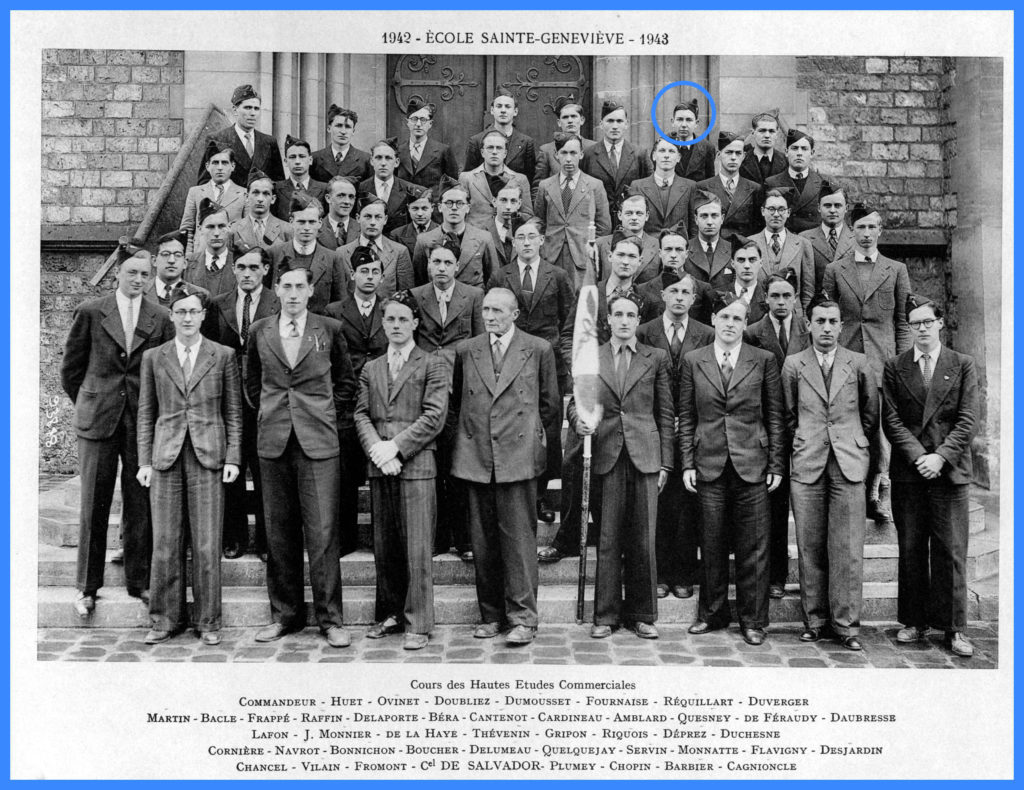
Il passe son bac à Paris et est admis à l’Ecole des Hautes Etudes Commerciales de Paris (HEC).
Dans un article de presse Xavier se souvient du problème quotidien du ravitaillement alimentaire qui obnubilait toutes les conversations.
Après le débarquement de Normandie du 6 juin 1944 Xavier cherche à s’engager : « …pour repousser les boches jusque chez eux.
Entre mon frère prisonnier et les souvenirs de mon père, j’avais des comptes à régler avec eux ».
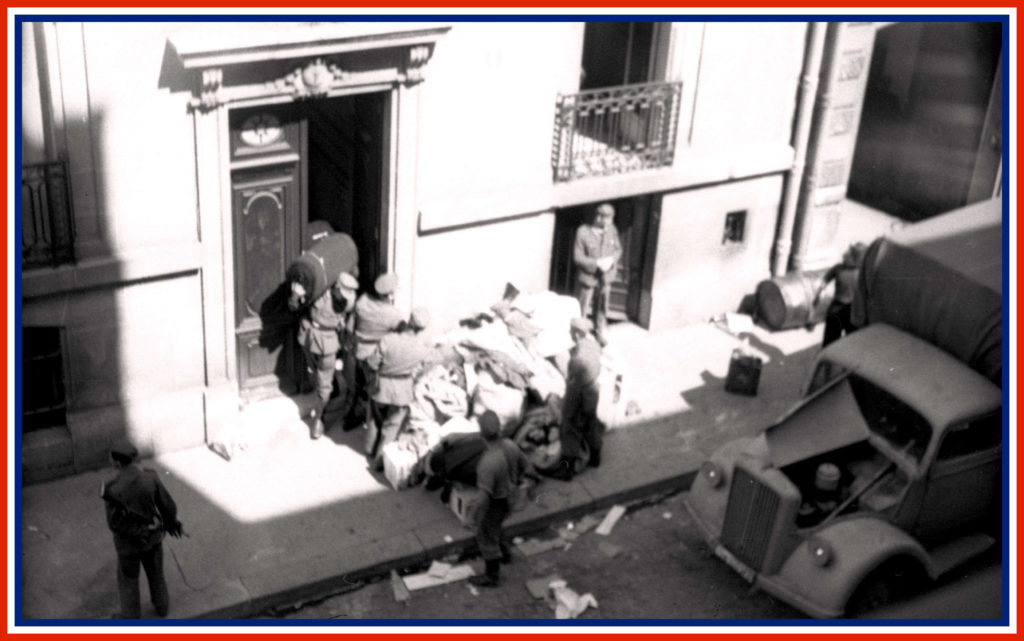
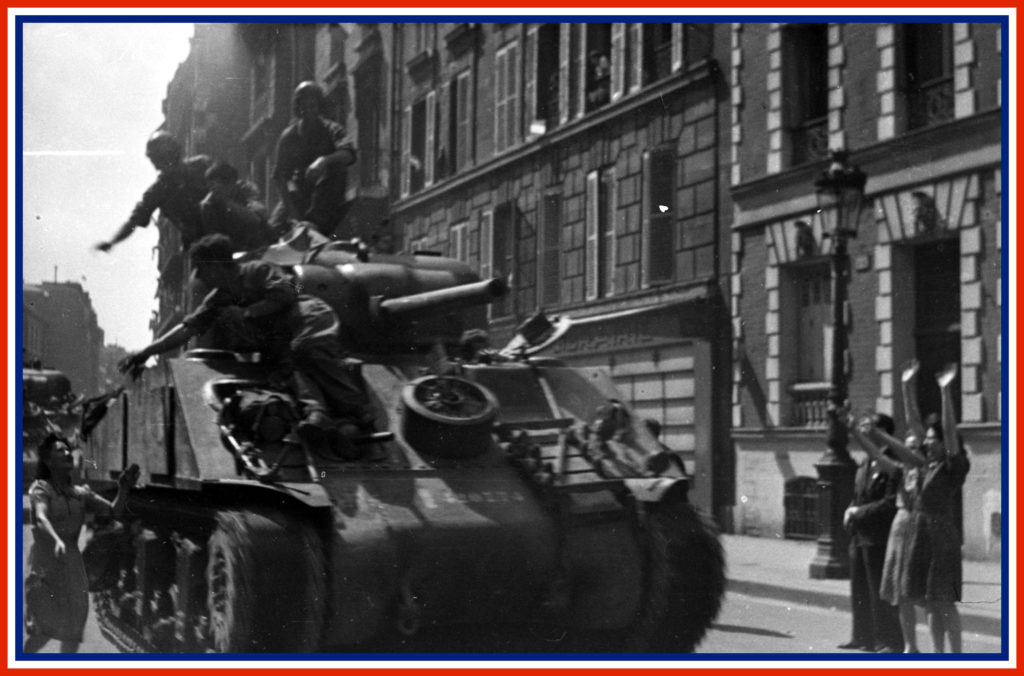
Du 19 au 25 août 1944 il vit de près la libération de Paris en prenant de nombreuses photos.
Il assiste à la prise de l’hôtel Majestic et garde un souvenir « extraordinnaire » de cette journée du 25 août 1944 :
« C’est du délire. On crie, on applaudit, on chante. Chaque fois que la colonne s’arrête, et même parfois en marche, on grimpe sur les chars. Tout le monde veut serrer les mains, embrasser, questionner. C’est vraiment affolant ».
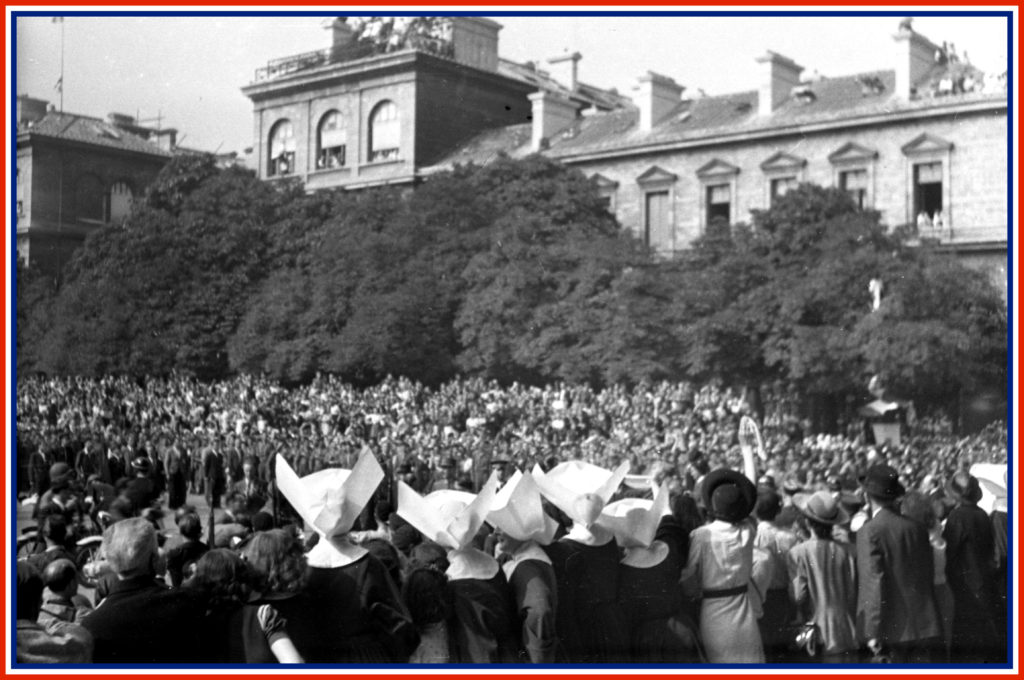
Le 26 il se rend sur le parvis de Notre Dame pour assister à l’arrivée des Généraux de Gaulle et Leclerc.
Xavier Réquillart, alors étudiant, rejoint le Bataillon Hémon (Equipes Nationales FFI) dès qu’il en a le droit, 7 jours après ses 19 ans, le 22 septembre 1944.
Il est affecté dans la 1ère compagnie. Les journées s’alternent entre gardes au Mont Valérien et manœuvres.
Il s’engage volontairement pour la durée de la guerre le 5 octobre 1944 à l’intendance militaire de Paris au titre de l’infanterie.
Avec l’ensemble du bataillon Hémon (qui rejoint en catimini le 1er RCP alors qu’il devait intégrer une autre unité) il fait mouvement le 14 novembre 1944 vers Lons-le-Saunier pour rejoindre le 1er Régiment de Chasseurs Parachutistes (1er RCP) qui se reconstitue après les âpres combats de la campagne des Vosges d’octobre 1944.
Dans une lettre à sa mère il raconte cette journée :
« Nous voilà enfin en route. Ce matin vers 5h du matin des camions américains sont venus nous chercher; et en route pour le Jura. Ce soir nous cantonnerons dans une salle des fêtes , dans un village(Sombernon) non loin de Dijon. Nous sommes 17 dans la voiture, on est un peu serrés avec les sacs dans la remorque; il est souvent difficile de retourner ses pieds. Ce soir nous avons eu des rations américaines, c’est formidable. »
Il intègre le 15 novembre 1944 la compagnie d’instruction du 1er RCP pour suivre une formation militaire accélérée : « nous allons former une compagnie d’instruction, dans un régiment qui s’est battu. L’entraînement va être sérieux et fameux. »
Le 6 décembre 1944 il est affecté comme chasseur à la 9ème compagnie du 1er RCP. Comme il le dira lui-même : « …c’est ainsi que je me suis retrouvé parachutiste, à pied, sans jamais avoir sauté ».
Il prend part à la terrible campagne d’Alsace du 7 décembre 1944 au 10 février 1945. Le jeune Roubaisien découvre les affres de la guerre avec les nombreuses escarmouches et la perte de nombreux camarades.
A partir du 7 décembre 1945 le 1er RCP est envoyé en renfort de la 2ème Division blindée du Général Leclerc qui se trouve dans le secteur de Benfeld le long de la bande Rhénane.
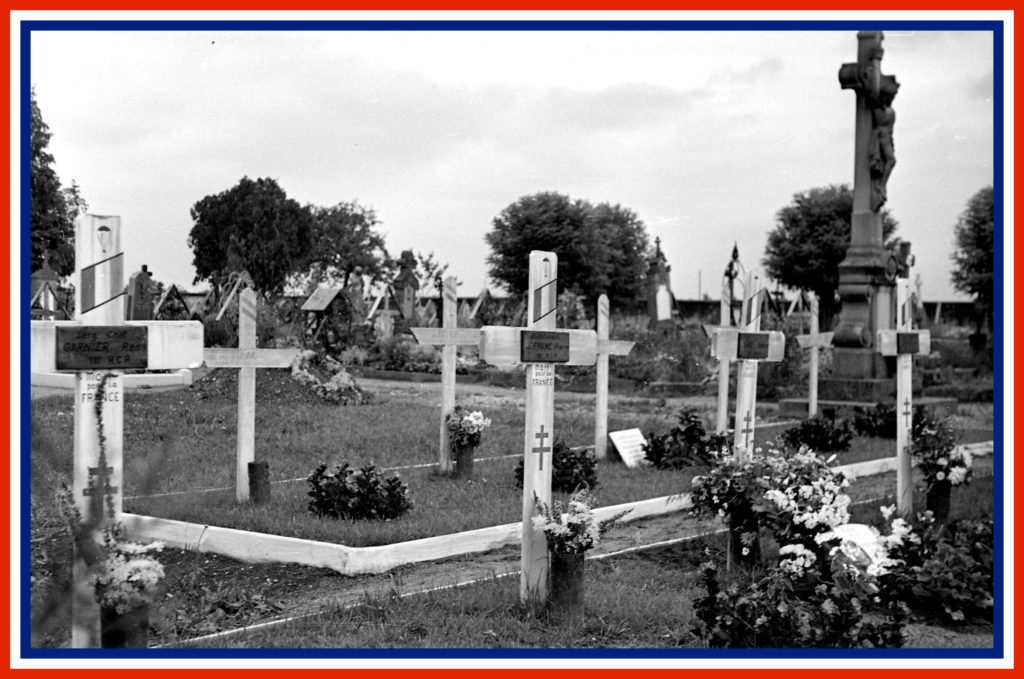
Fin décembre 1944 Xavier Réquillart se retrouve dans les vosges le secteur du Lac Blanc, d’Orbey, Hachimette et Lapoutroie où il neige abondamment.
Ils occupent une position défensive et font face à de nombreux échanges de tirs avec les troupes allemandes.
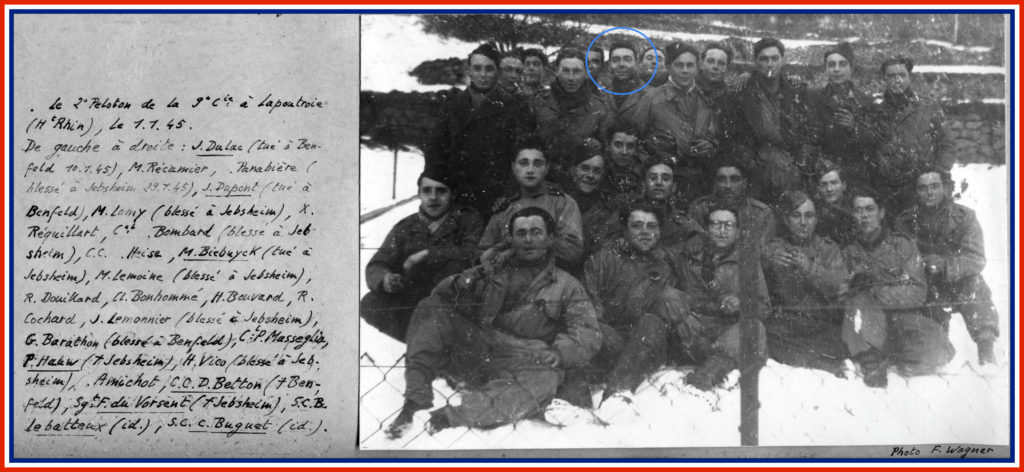
En janvier 1945 les combats sont quotidiens, de jour comme de nuit.
Xavier écrit le 3 janvier 1945 dans son petit carnet :
« On est dans un trou 150 x 150 x 75 cm recouvert de planches et de neige, une certaine cote 883 (près d’Hachimette) … Alertes sur alertes les mitrailleuses crachent, les mortiers allemands aussi … On a retrouvé 2 obus non éclatés à quelques centimètres de nos trous. Je n’ai reçu que de la terre et des pierres ».
Xavier écrit le 7 janvier 1945 dans son petit carnet : » 7 janvier, premier peloton foutu en l’air. Encore une sale nuit qui se prépare. Comment se fait-il que je sois toujours là?
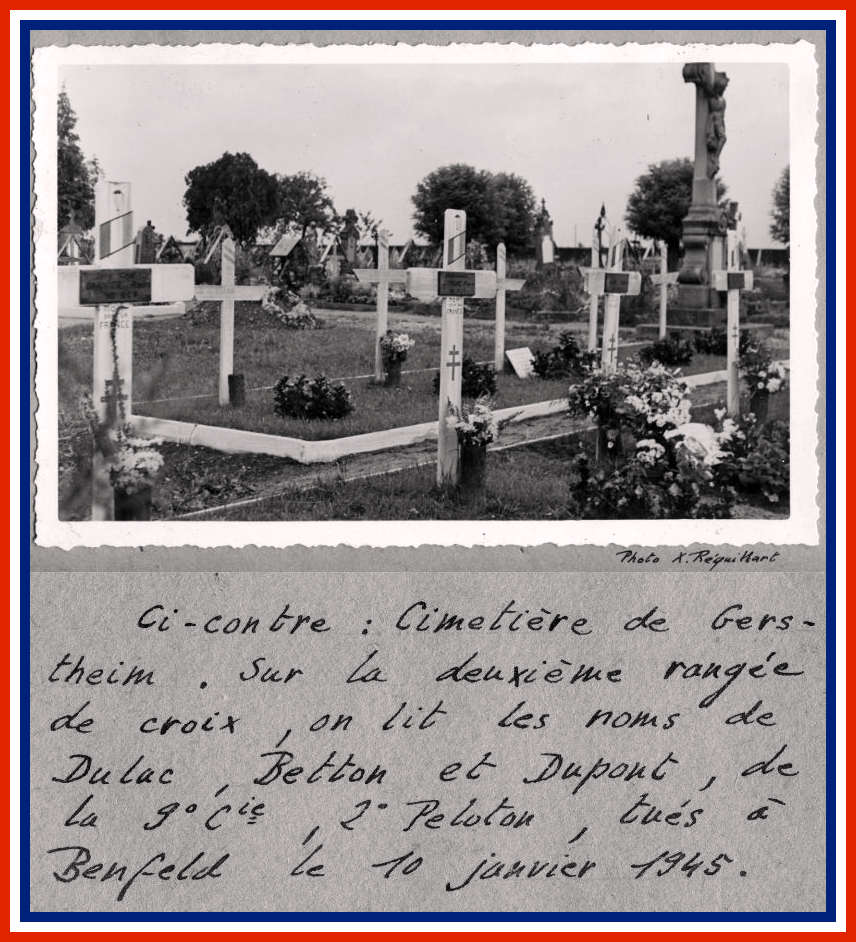
Il se distingue le 10 janvier à Herbsheim(67) et Rossfeld(67) avec son régiment puis participe aux terribles combats de Jebsheim avec le 2e peloton de la 9e compagnie du 1er RCP.
Il écrit à ce sujet dans une de ses lettres :
« Il s’agissait de nettoyer un bois où les Allemands s’étaient infiltrés. Nous sommes partis, une compagnie seulement, avec quelques chars et cinq ou six types assis sur chaque char… Ça a pété le feu ! On a fait soixante quatorze prisonniers et tué au moins le double. Un commandant boche a été pris et a révélé qu’il y avait un bataillon dans le bois. Il voulait se suicider quand il a appris qu’il avait été enfoncé par une seule compagnie (il a dit que c’étaient des troupes « spéciales »). Les chars qui nous appuyaient appartenaient à la 1ère DFL, les premières troupes de de Gaulle. Il y a eu quelques chars démolis. Mon groupe, dix types, n’a pas eu de chance : une partie était sur un char qui a explosé et l’on s’est retrouvé à six (trois tués et un blessé grave). C’est de la malchance car on risquait moins que ceux qui étaient en plein bois et qui n’ont pas eu plus de morts«
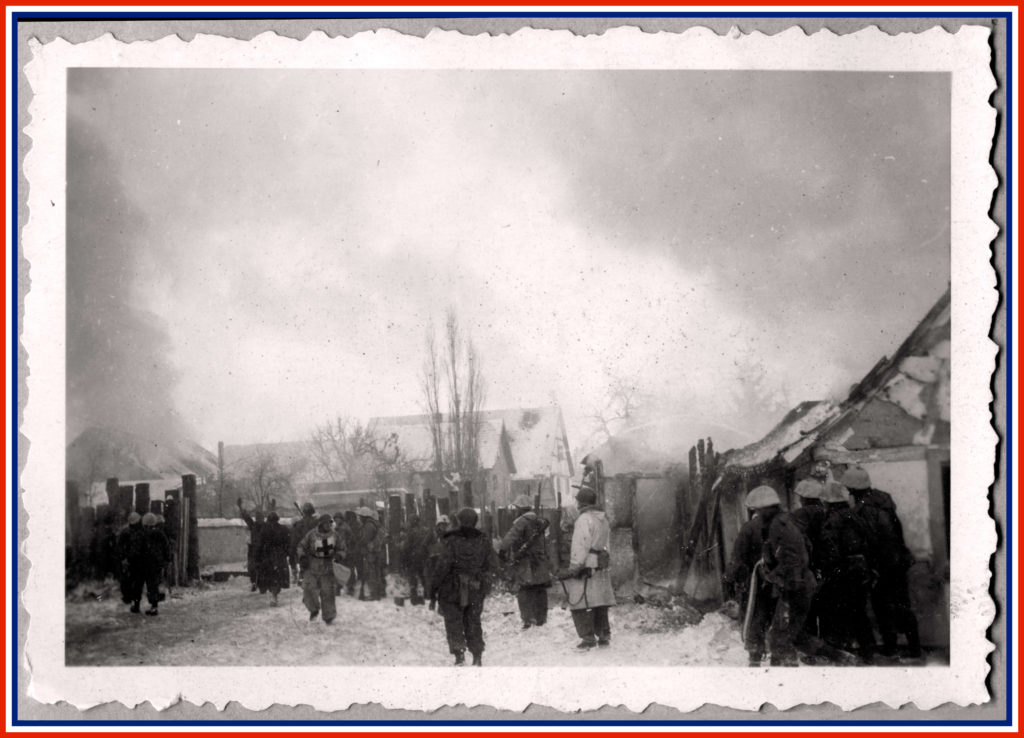
Du 25 au 29 janvier 1945 le 1er RCP (avec le IIIème Bataillon du RMLE, le 6ème RCA, le Bataillon de Choc français et le 254th Régiment d’Infanterie de la 63rd Division d’Infanterie américaine entre autres) se bat au corps à corps, sans interruption, sous un déluge de feu et d’acier dans le petit village de Jebsheim(600 habitants) contre les redoutables troupes de Montagne de la 2ème Gebirgs Division allemande qui sont venus directement de Finlande en renfort. Après 5 jours et 5 nuits d’âpres combats le 1er RCP est maître du village qui verrouille définitivement l’encerclement de Colmar. C’est au prix de lourdes pertes que ce village de 600 habitants est libéré : 250 tués et 2000 blessés côté français et américains (pour le seul 1er RCP c’est 76 tués et 164 blessés) et plus de 500 tués pour les Allemands.
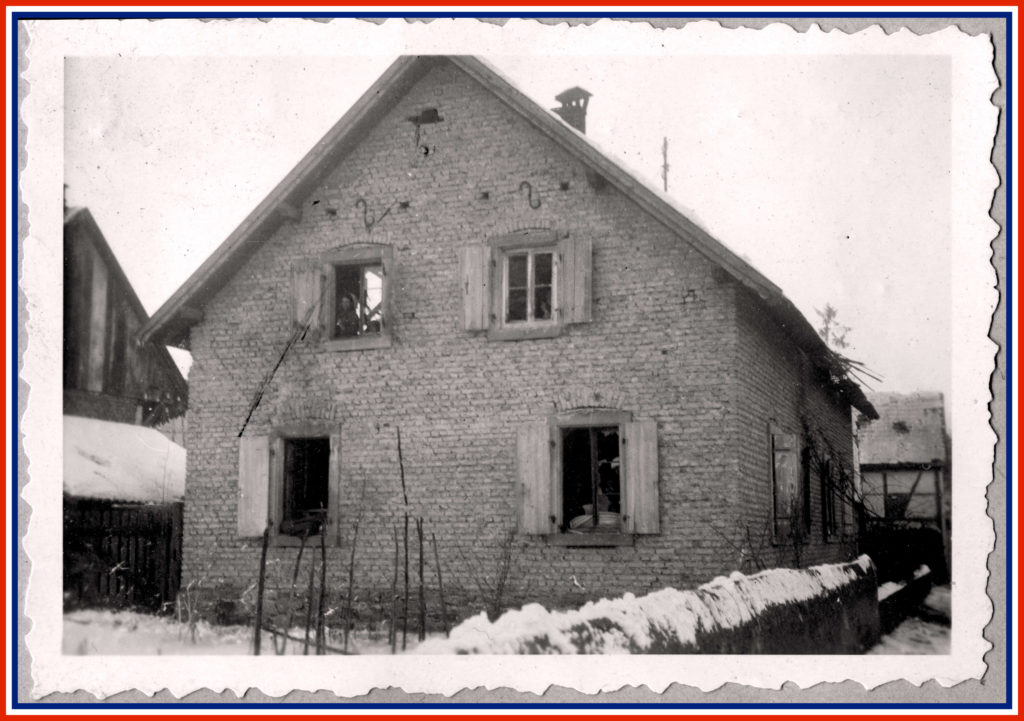
Au sujet de la journée du 29 janvier 1945 il écrit dans son carnet :
« Lundi 29, le jour dont je me souviendrai toute ma vie. Nous sommes dans des maisons isolées au bout de Jebsheim, séparés des Allemands par l’épaisseur d’un gros mur environ. Il faut veiller attentivement autant au son qu’à la vue. Les Allemands se croient chez eux et certains ne semblent pas se douter de notre présence. En effet vers 3h00 du matin, l’un d’eux se profile à six mètres (ou moins) de moi, au bout du couloir que je surveillais. Il était l’arme à la bretelle. Devant tant de culot, ou d’inconscience, j’ai eu des doutes sur sa nationalité. C’était peut-être un Ricain. Je lui ai gueulé trois fois « Halte-là ! » et l’ai laissé baragouiner environ trente secondes. Quand j’ai été sûr de son identité, j’ai tiré. L’alarme a été donnée, on commençait à se faire encercler. Peu de temps après on décrochait car il fallait aller sur d’autres positions pour attaquer le jour. Au milieu d’un joli bombardement on gagne les bases de départ. Je passe le reste de la nuit et toute la matinée à un poste de guet. Juste sur un macchabée. Je croyais qu’il était allemand, mais au jour on s’est aperçu que c’était un sergent américain. Mais tout autour il y avait pas mal de Frisés… On a vu les Américains de la 3ème DI attaquer et faire des quantités de prisonniers. Ils remontent dans l’estime des Français. L’après-midi ce fut notre tour, le 2ème peloton de la 9ème compagnie uniquement. Le peloton déjà réduit depuis l’affaire du 10 janvier (4) est revenu bien amoché. Attaque très dure. Pour nettoyer les maisons, les coups de feu partent de tous les côtés; il faut mitrailler les fenêtres, toutes les ouvertures, lancer des grenades, mettre le feu etc… Appui des chars et ensuite des Américains, lesquels nous relaient et poursuivent le nettoyage du village. Le soir Jebsheim était entièrement à nous. Le peloton avait six tués, six blessés mais on avait environ quatre-vingt prisonniers. Nous revenions à sept (là c’est vraiment une question de chance). C’est joli comme résultat. On a trouvé des fusils, des mitraillettes, des mitrailleuses en masse… J’avais un joli petit revolver mais l’ai perdu en transportant un blessé.«
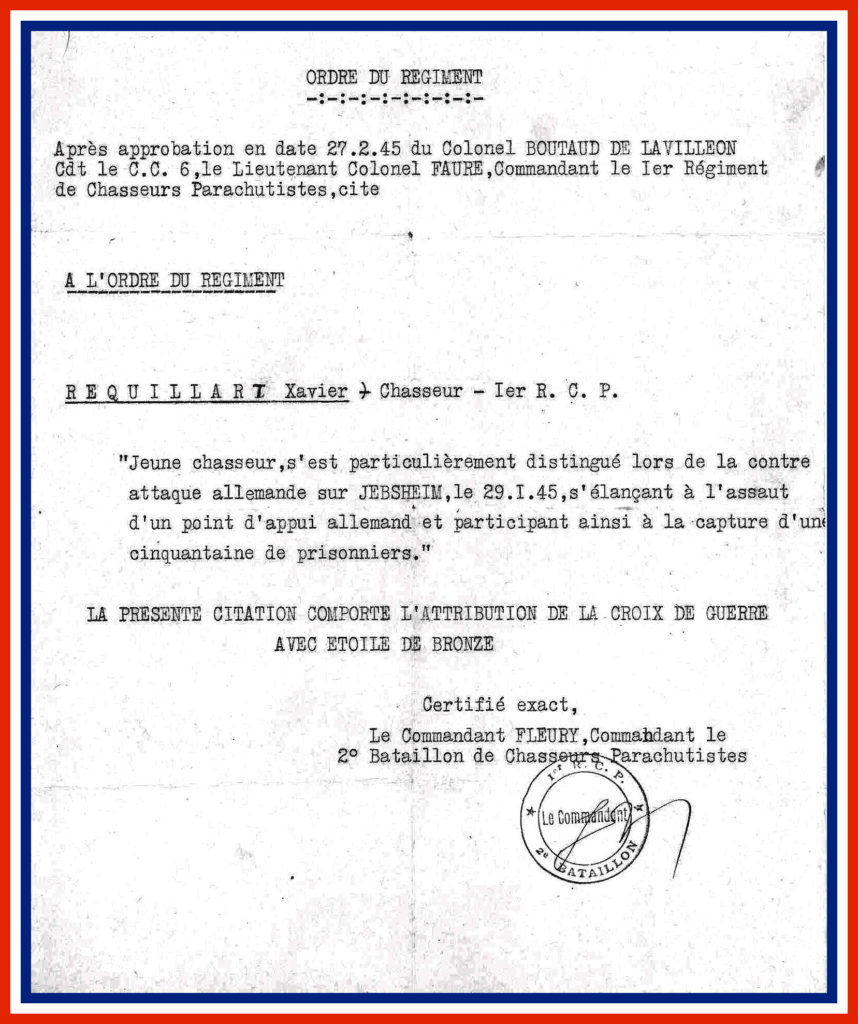
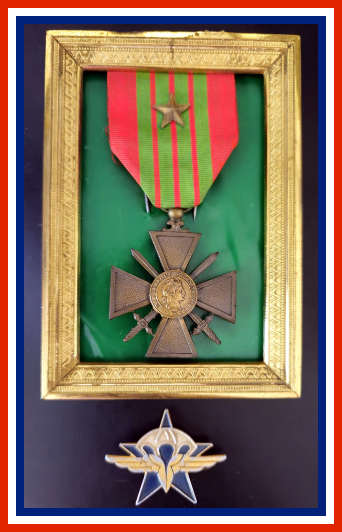
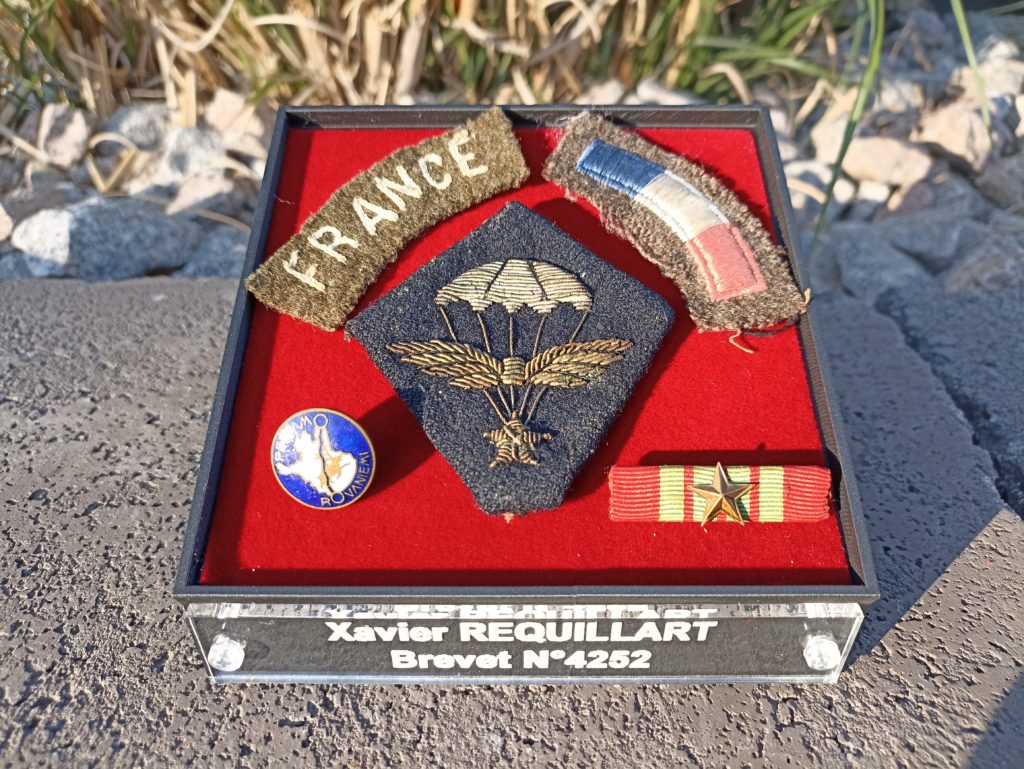
Pour son action au feu, sur recommandation du Colonel Faure (Commandant du 1er RCP) le Colonel Boutaud de Lavilleon qui commande le Combat Command 6 (CC6) le cite à l’ordre du Régiment avec obtention de la Croix de guerre 1939-1945 avec étoile de bronze :
« Jeune chasseur, s’est particulièrement distingué lors de la contre-attaque allemande sur Jebsheim le 29 janvier 1945, s’élançant à l’assaut d’un point d’appui allemand et participant ainsi à la capture d’une cinquantaine de prisonniers »
Il est l’un des seuls survivants des combattants du bataillon Hémon arrivé avec lui à Lons-le Saulnier pour rejoindre le 1er RCP en vue des combats en Alsace et l’un des 7 chasseurs sains et saufs de son peloton après les combats de Jebsheim(68).
Colmar est libéré le 2 février 1945. Le 8 février 1945 Xavier et ses camarades du 1er RCP défilent devant le Général de Lattre.
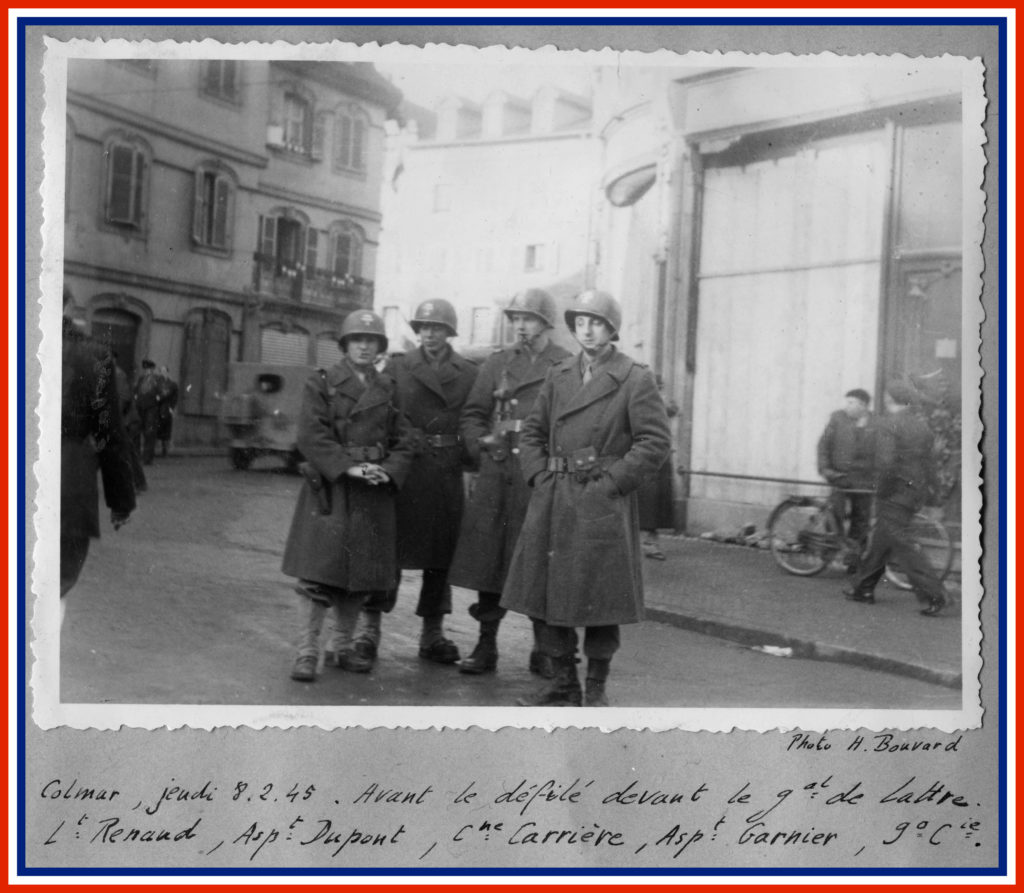
Le 10 février 1945 il participe à la cérémonie du Champs de Mars avec la venue du Général de Gaulle.
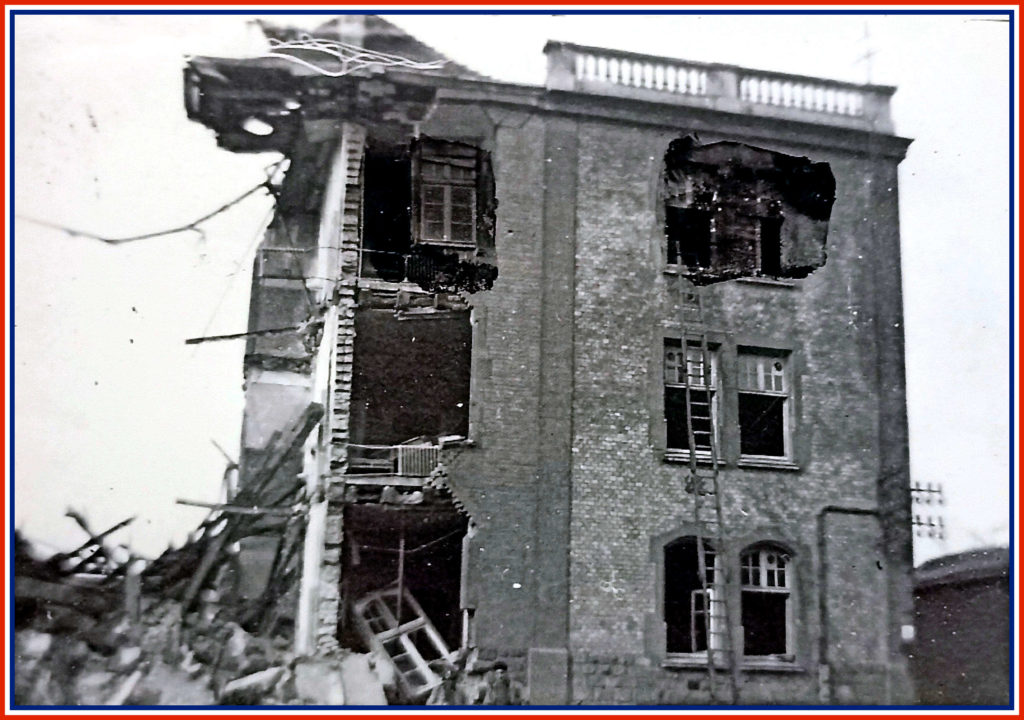
Dans la nuit du 11 février 1945 la caserne Lacarre où loge les hommes du 1er RCP explose soudainement (les allemands avaient cachés une bombe à retardement).
Une grande partie du bâtiment est détruit; il y a 5 tués et 10 blessés.
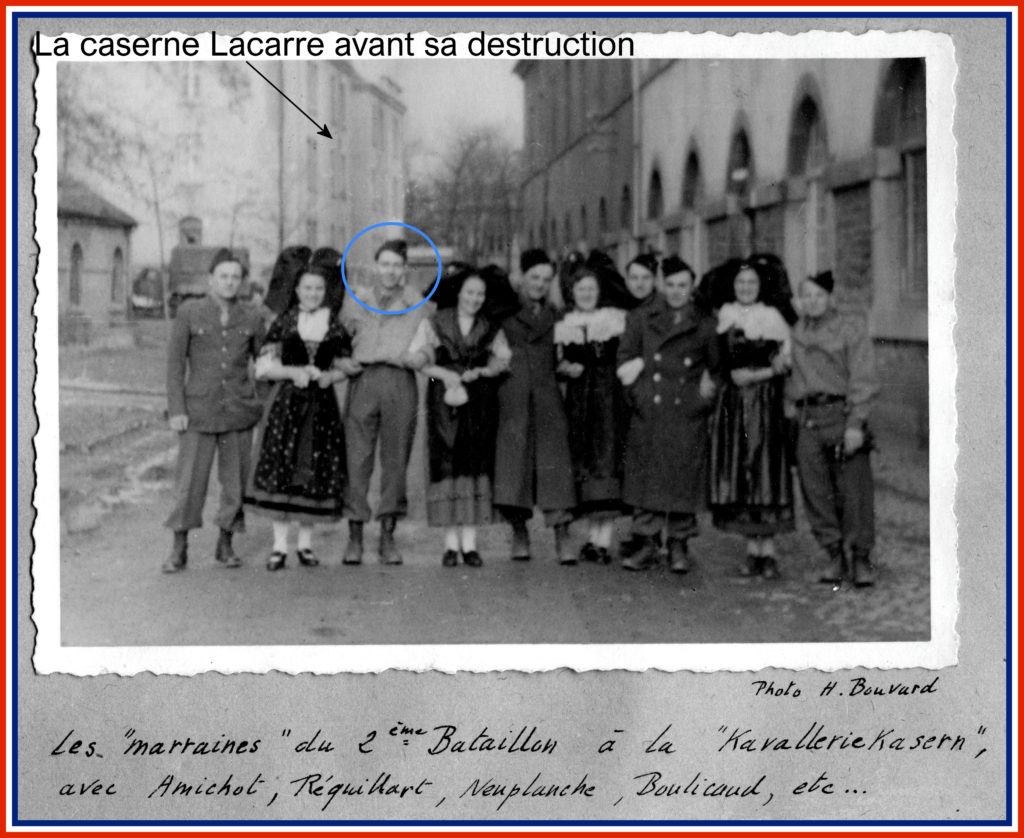
Les hommes du 1er RCP , unité d’élite envoyée sur les secteurs du front les plus intenses a payé chèrement la libération des Vosges et de l’Alsace avec 129 tués, 339 blessés pendant la campagne des Vosges et 176 tués, 512 blessés pendant la campagne d’Alsace.
Le 20 février Xavier Réquillart et ses camarades du 1er RCP quittent Colmar(68) pour rejoindre Voiteur(39) dans le Jura et prendre un repos mérité afin de récupérer des affres des combats d’Alsace.
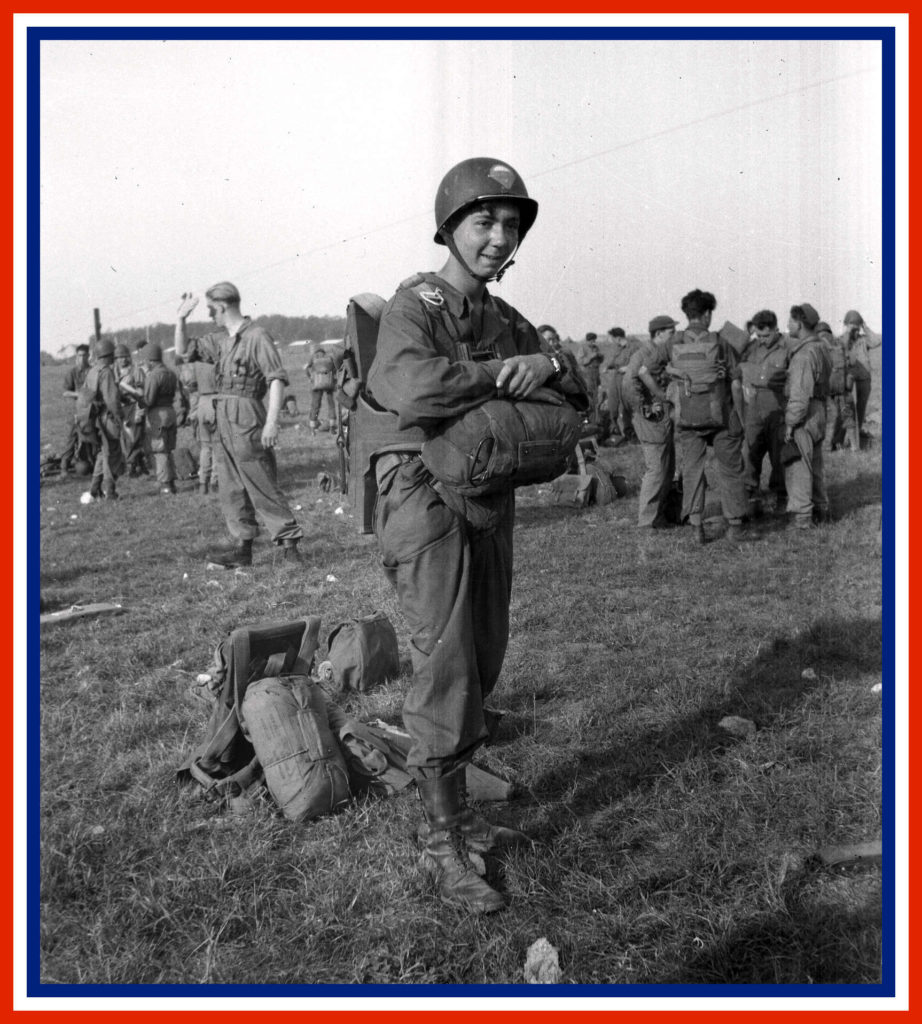
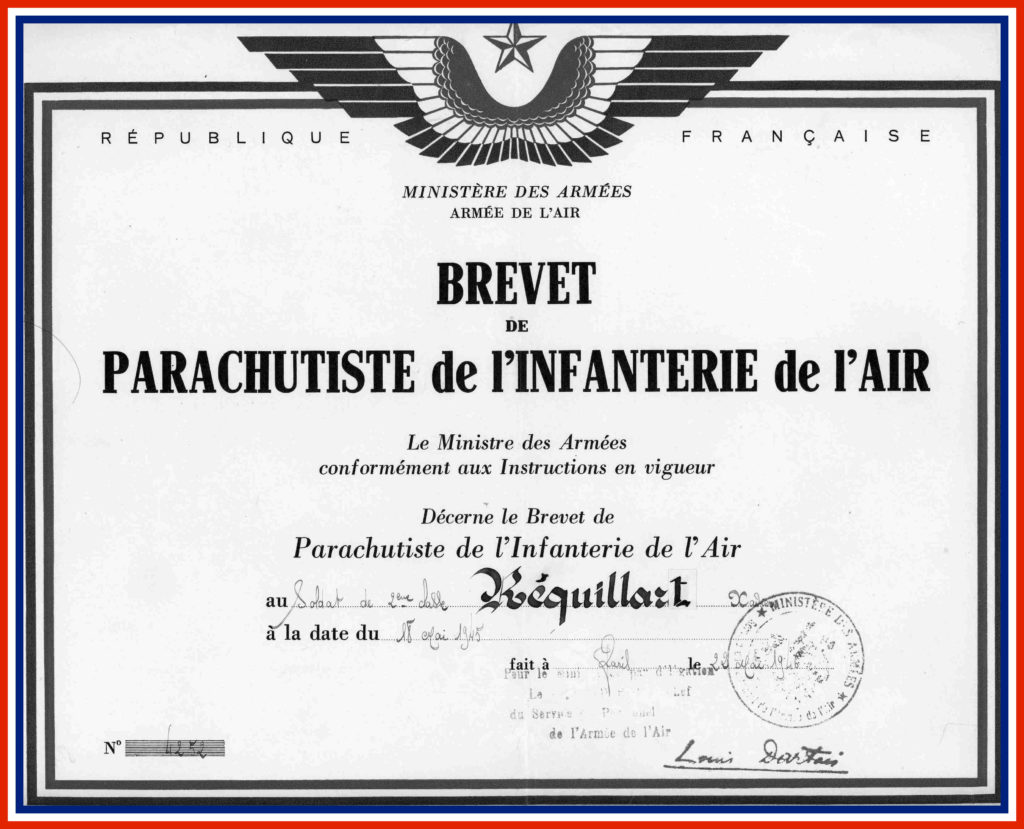
Le 4 avril le 1er RCP rejoint Avord afin que tous les soldats non breveté puissent obtenir leur qualification au saut opérationnel en parachute dans la perspective de sauter sur l’Allemagne voir sur le Japon. Xavier obtient le brevet parachutiste n°4252 le 18 mai 1945 suite à son 5e saut.
En mai 1945 il profite d’une permission bien méritée à Paris et en juillet il retrouve son frère Pierre qui est rentré des camps de prisonniers en Allemagne et ses soeurs.
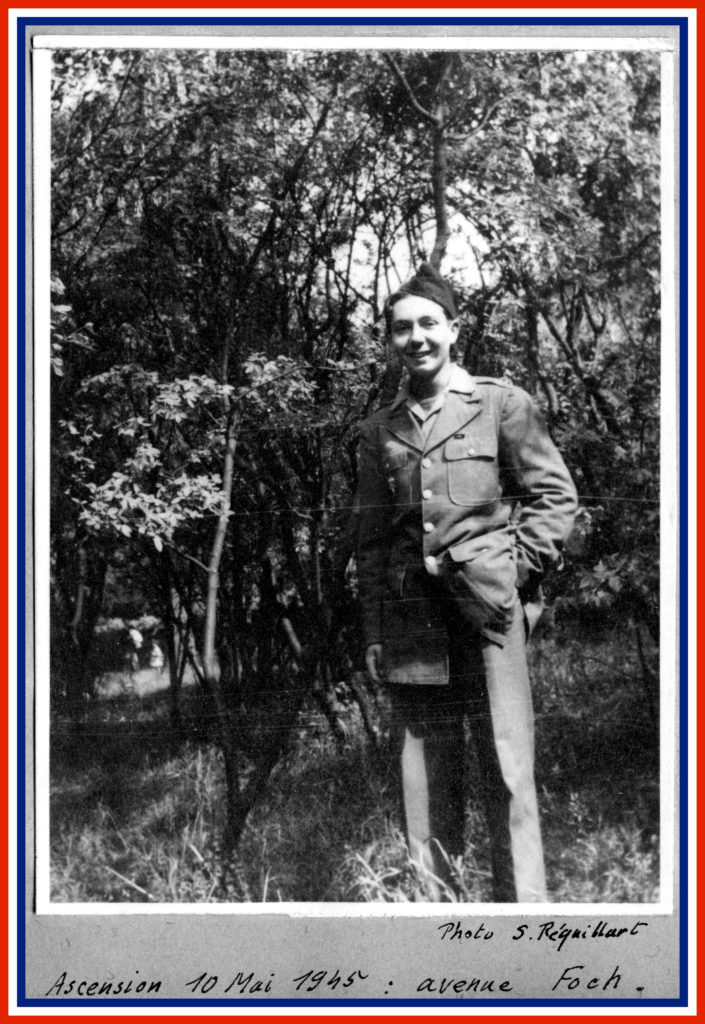
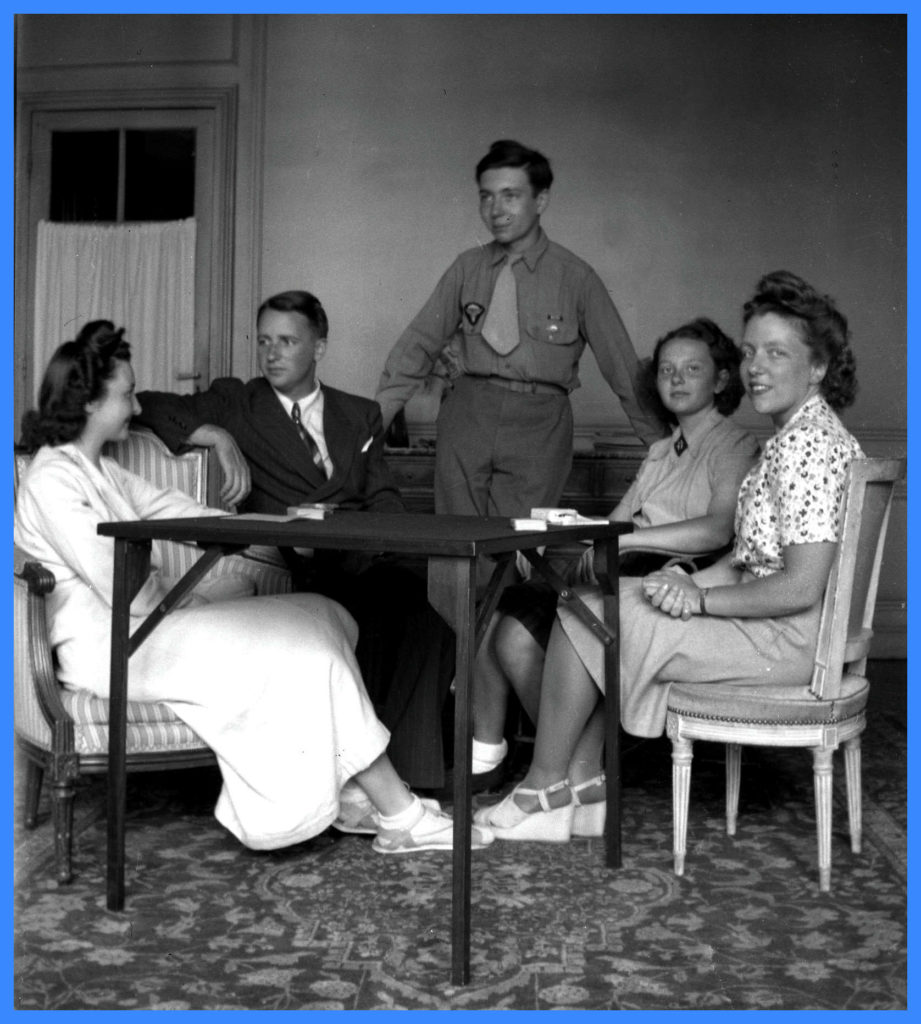
Le 14 septembre le 1er RCP quitte Avord et s’installe à Pau. Xavier Réquillart part en permission le 13 octobre 1945(chez lui à Roubaix) et est définitivement démobilisé en date du 1 janvier 1946.
Dans un article de presse, Xaxier Réquillart dira de cette période : » Pour beaucoup de gens c’était la fin d’une épreuve terrible. On regardait vers l’avenir, on voulait reprendre une vie normale, reconstruire le pays et en finir avec les privations ».
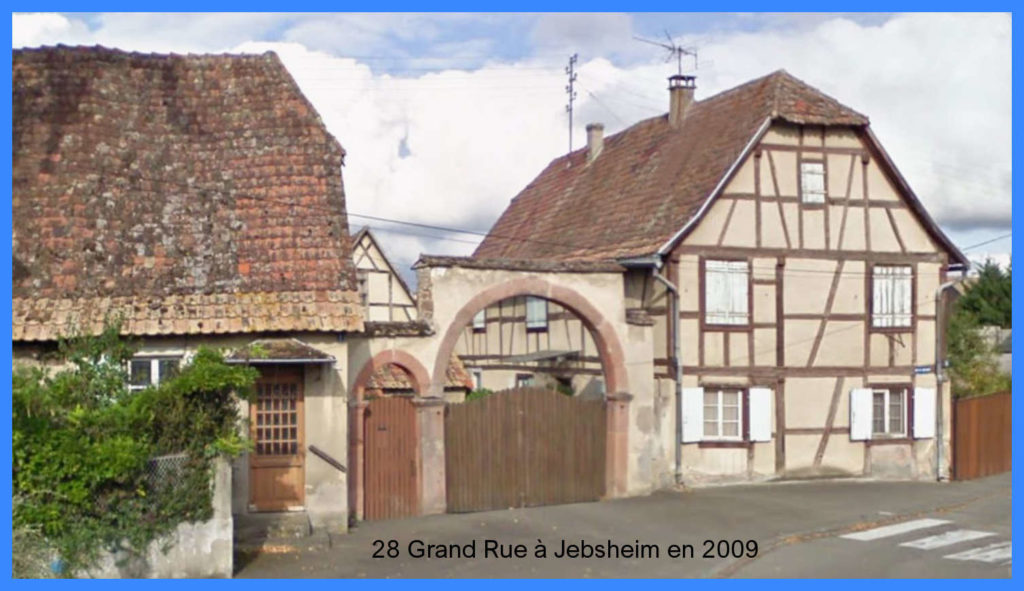
En 1946 Xavier Réquillart revient en Alsace pour rendre visite à une famille de Jebsheim et retourne sur les lieux de ses derniers combats.
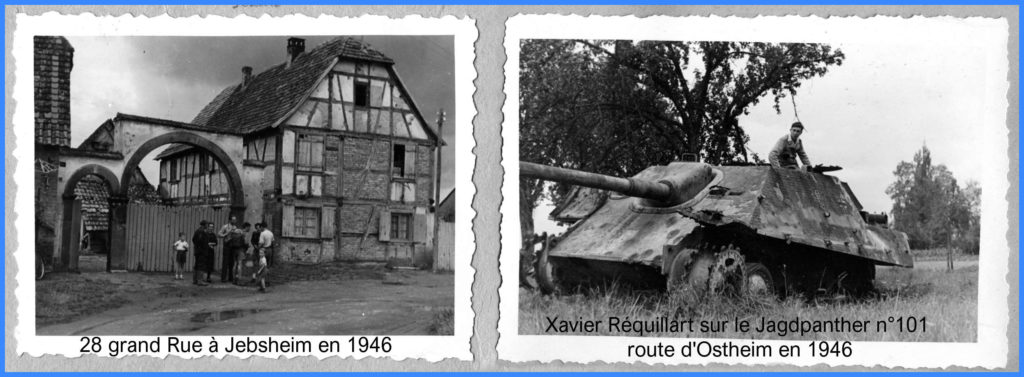
De novembre 1945 à juin 1947, il termine ses études à HEC Paris puis rejoint l’entreprise textile familiale(sté Gustave Réquillart) à Roubaix.
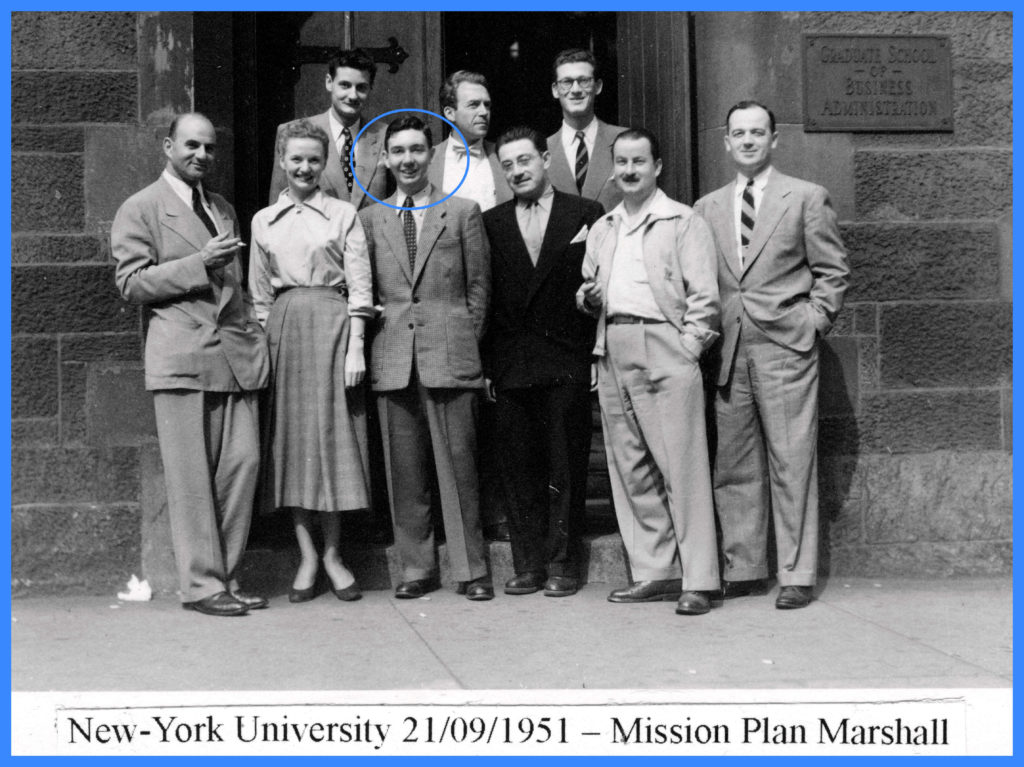
Il part pendant 1 semestre aux Etats-Unis dans le cadre d’une mission « productivité » du Plan Marshall, en 1951, à Cornell University (NY) dont il est diplômé.
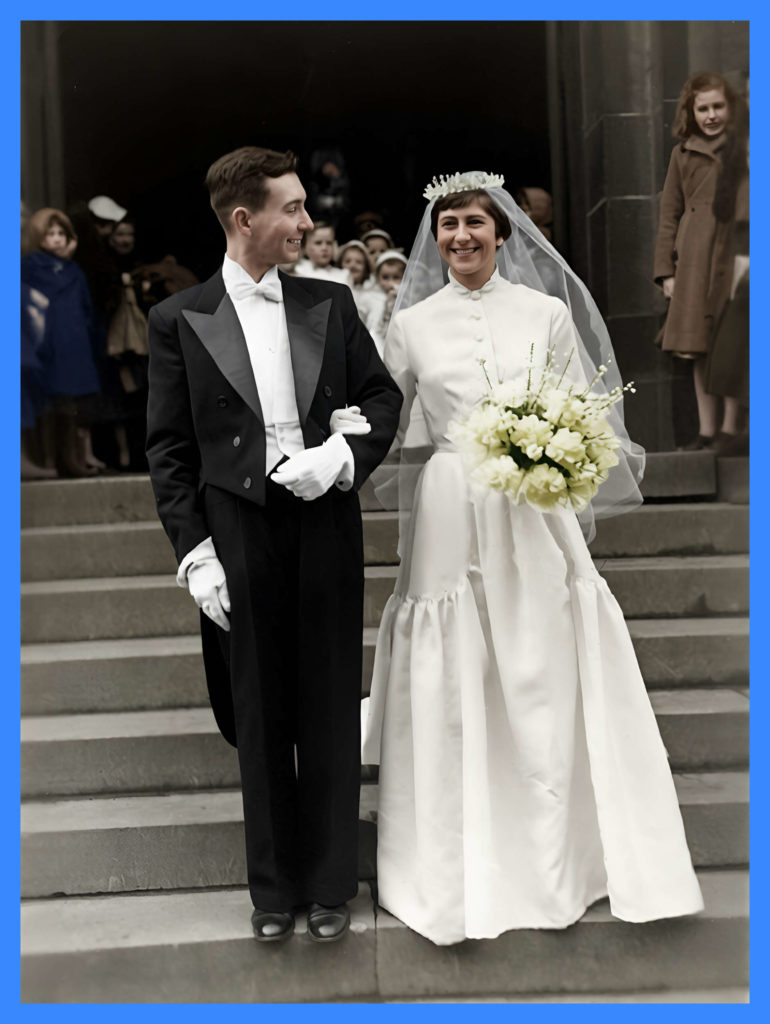
Il se marie en janvier 1955 avec Christiane Denoyelle.
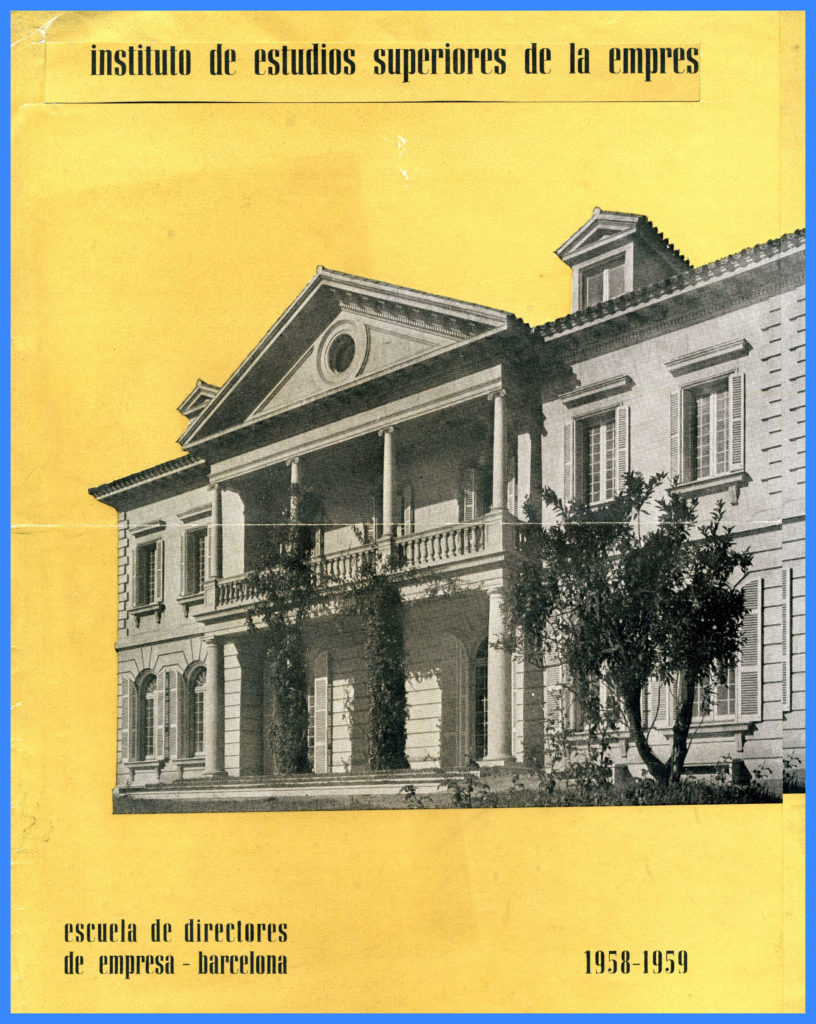
Il est l’un des membres fondateurs de 2 écoles pour dirigeants (CEPI/CPA à Lille) en 1953 et IESE Business School à Barcelone en 1958-1959 où il donne des cours de comptabilité et de gestion en introduisant la méthode des cas venue de Harvard.
Il est l’heureux père de 5 enfants : Alain, Nicolas, Antoine, Pascaline, Etienne.
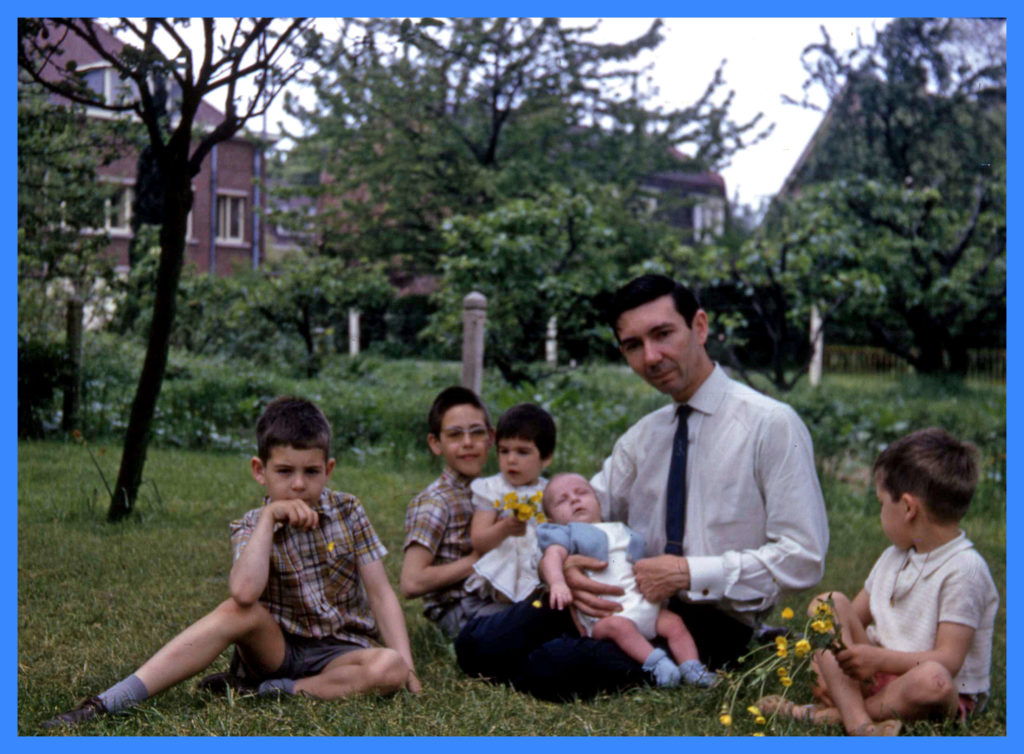
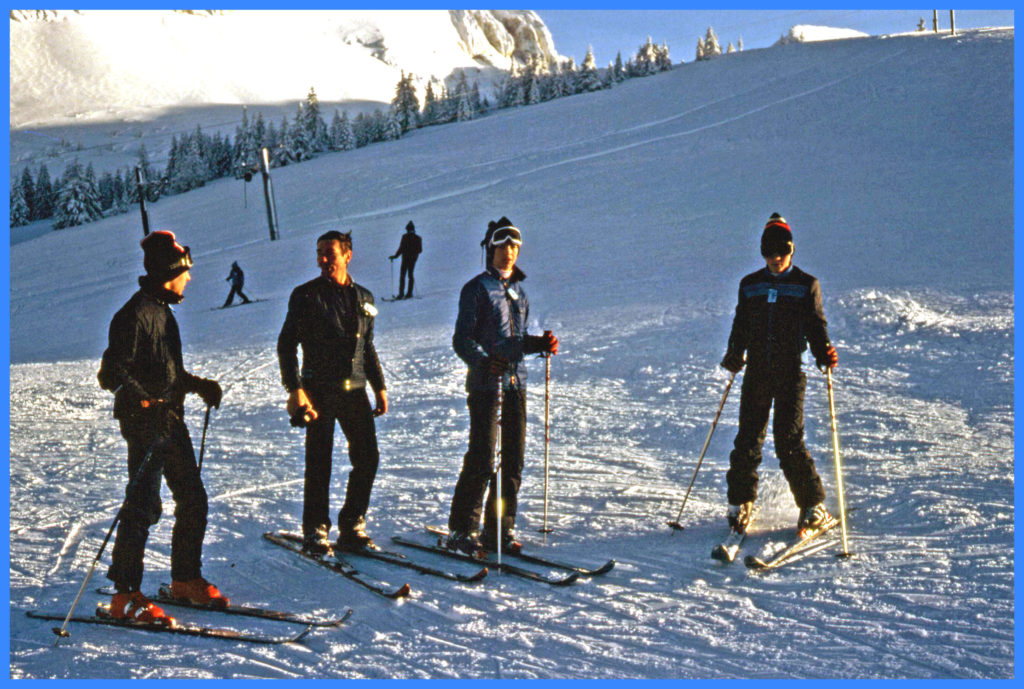
Xavier poursuivra longtemps ses activités d’avant guerre, nombreux voyages, ski et tennis. Pianiste, il aime la musique classique et les concerts.
Grand lecteur, il est passionné de littérature et conservera jusqu’au bout l’habitude d’annoter ses carnets, revues techniques et photos.
Toujours à la pointe de la technologie, il un photographe expérimenté, filme en couleur dès 1951, achète la première calculatrice électronique en 1972, un micro-ordinateur dès 1980 …
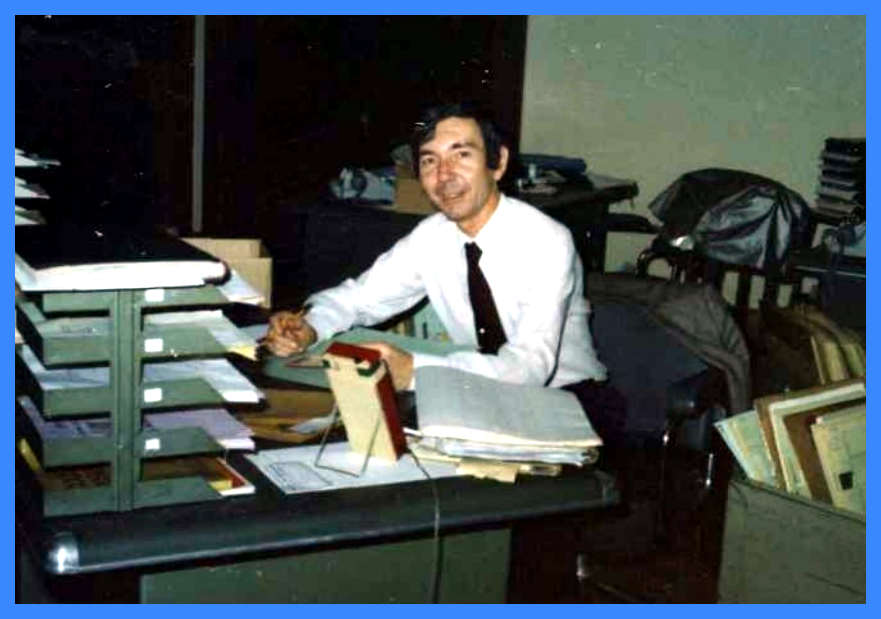
Malgré la crise de l’industrie textile, il développe, en rachetant un à un ses concurrents, et dirige son entreprise de négoce jusqu’à sa retraite en 1988.
Dévoué aux autres, il se charge, pendant plus de 20 ans, de la gestion de la Maison de la Famille de Roubaix, créée par des industriels locaux pour venir en aide aux populations en difficulté, dettes, séparation, logement ou travail. Activité très chronophage qu’il assumera jusqu’à un âge avancé.
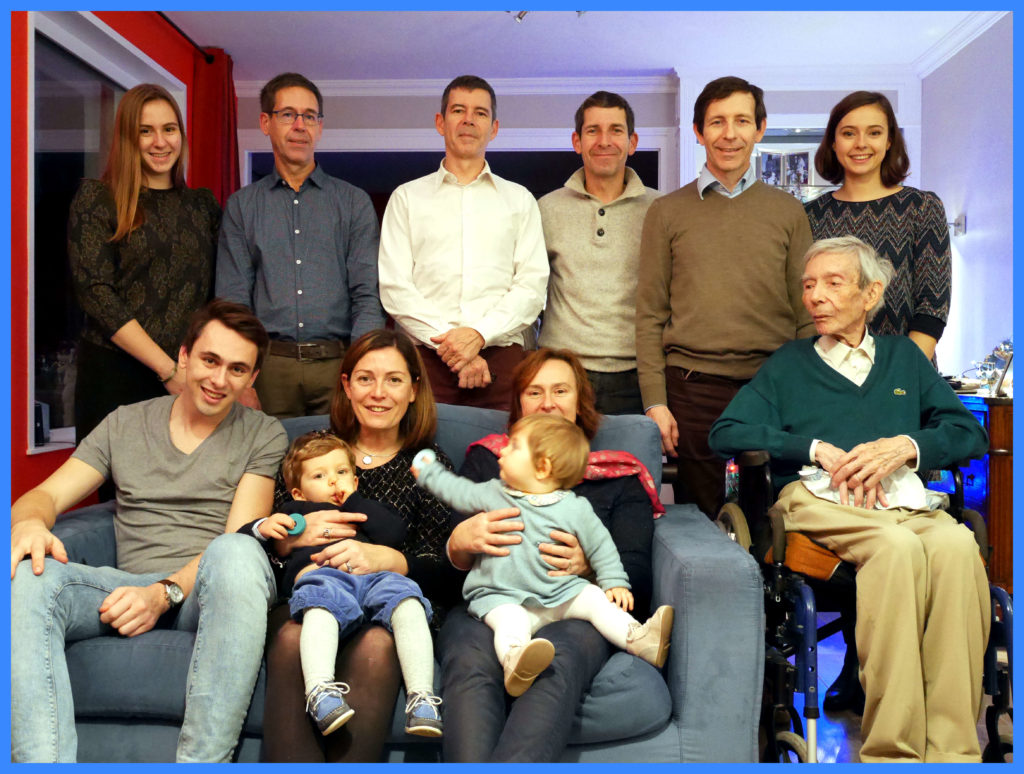
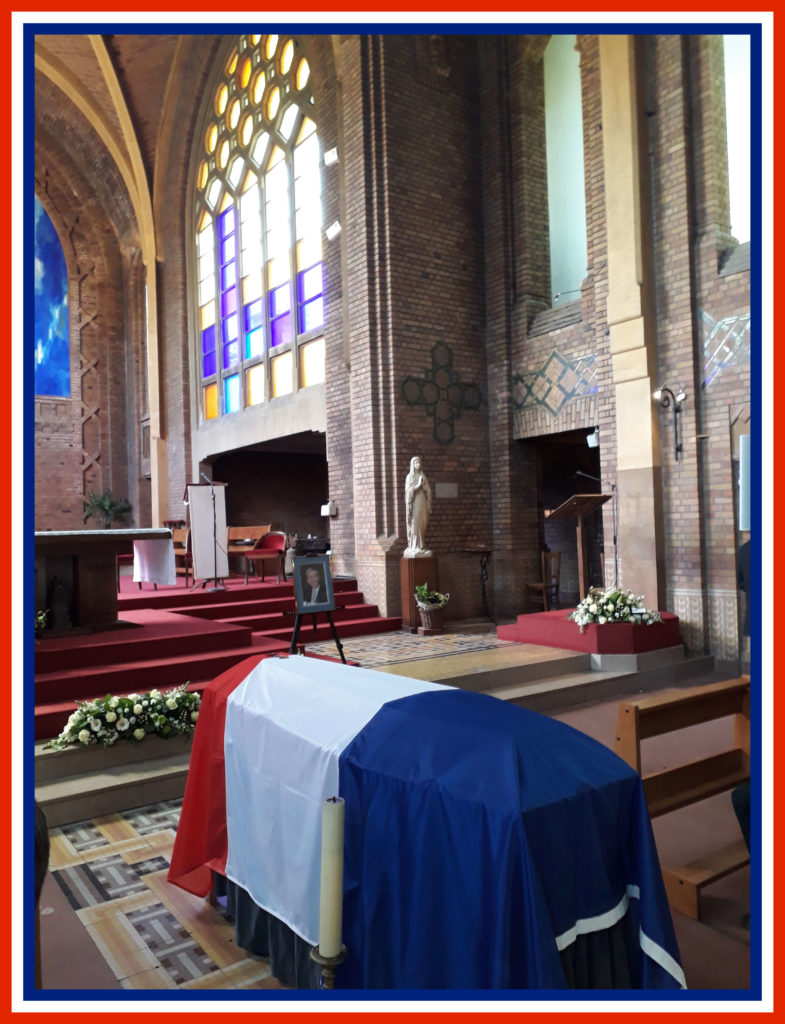
Xavier Réquillart nous quitte à l’âge de 94 ans en 2020.
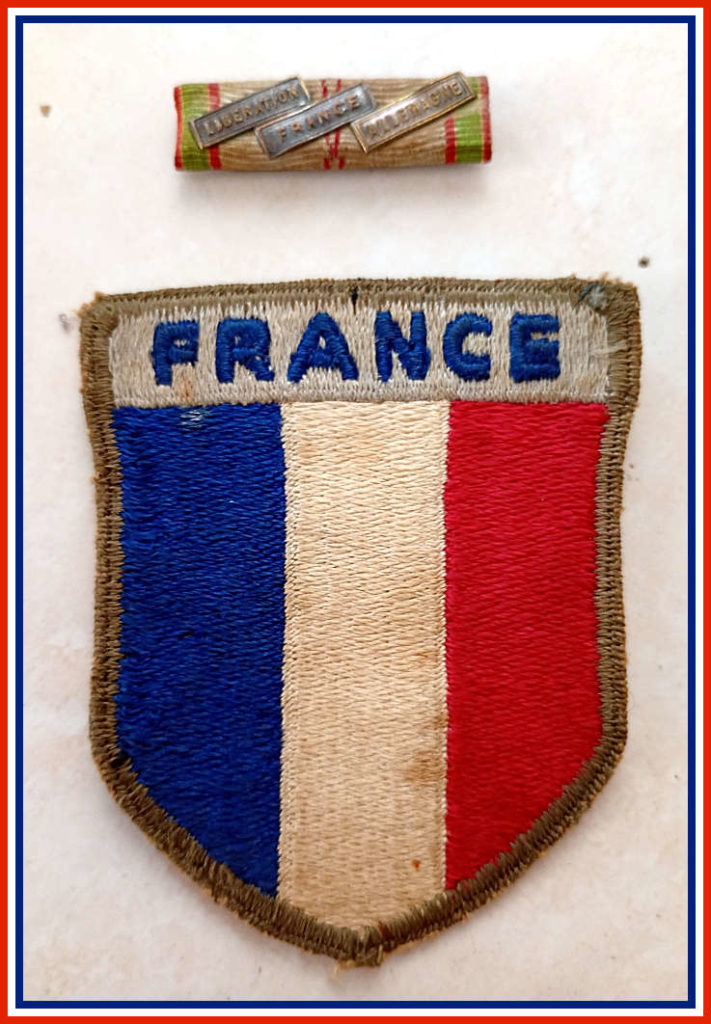
Nous remercions très sincèrement sa famille pour le partage de son histoire et la donation de ses affaires personnelles afin que nous puissions lui rendre l’hommage qu’il mérite, ainsi qu’à ses camarades du 1er RCP, à qui nous devons notre libération du joug nazi.
Nous ne vous oublierons pas!!!
Edward A. CONNORS 1923 – 2013
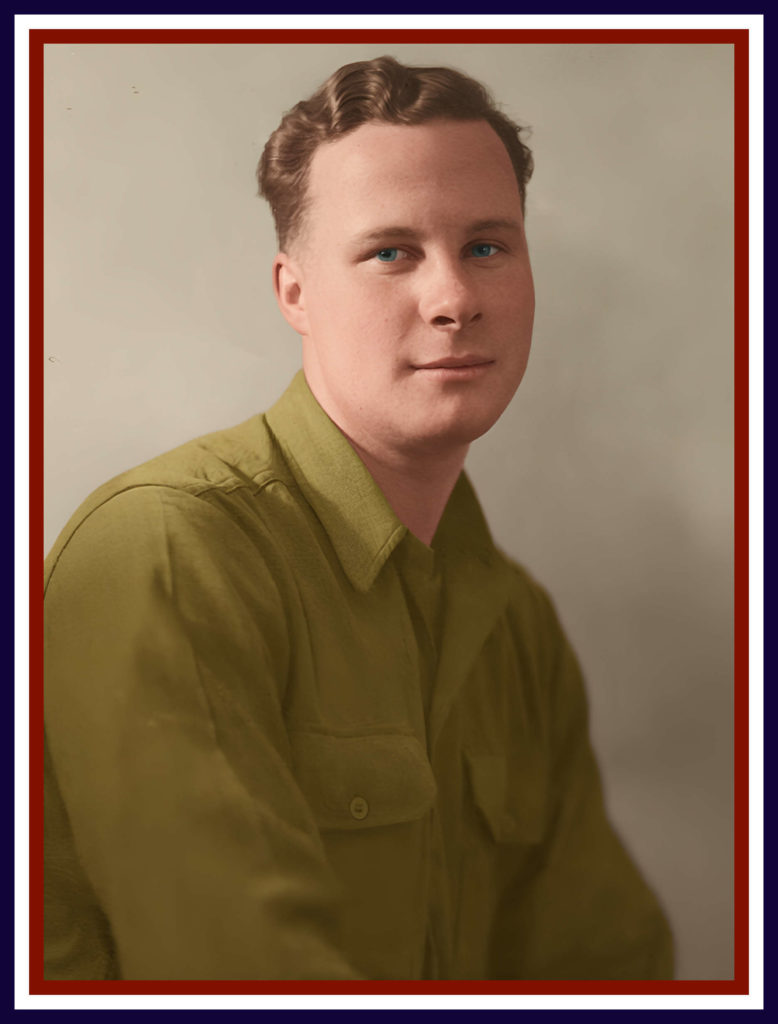
Things were going along fine in the life of Edward when on December 7th, 1941, Japan bombed Pearl Harbor.
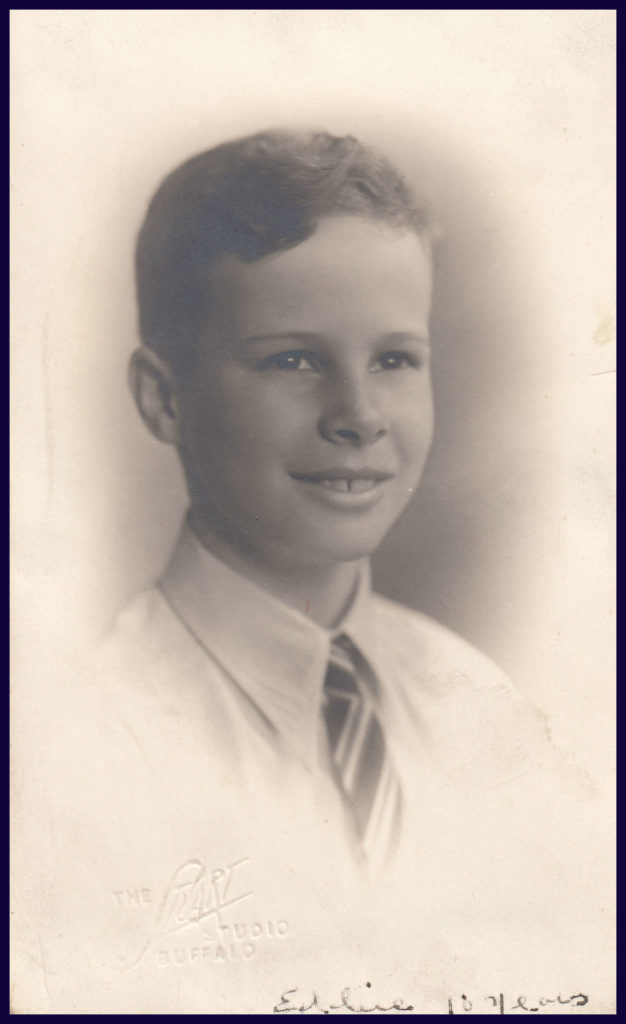
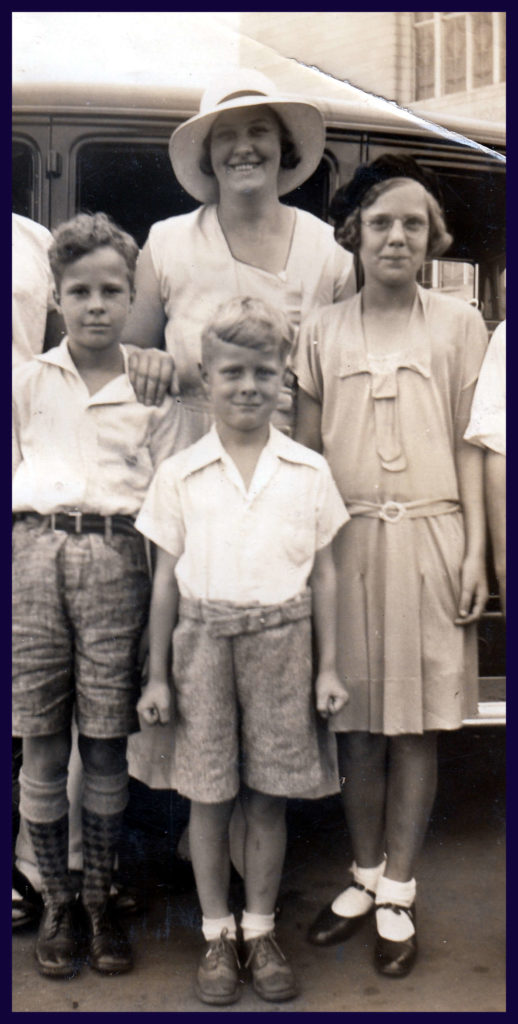
The next day, December 8th, was his18th birthday.
Being 18, he knew his draft notice could come any day. On February 26, 1943, Ed was officially inducted into the military service of the USA.
In this case, it turned out to be specifically in the Army.
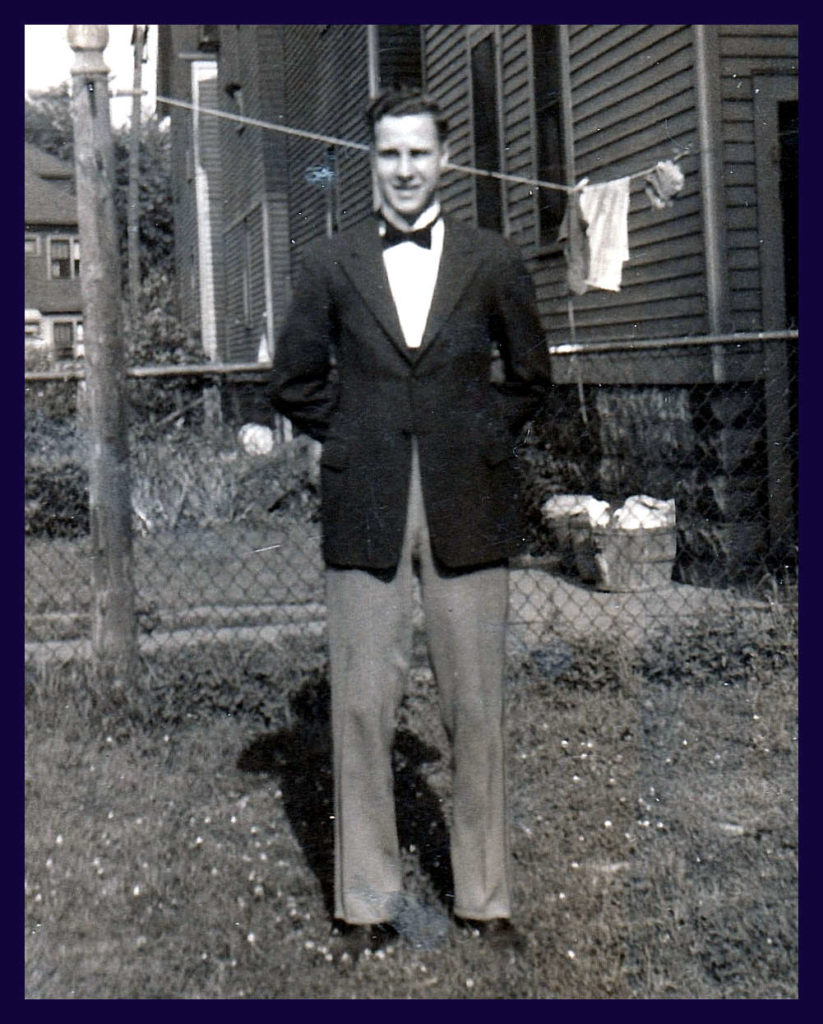
He gave up his job as an Assistant Manager in a Buffalo move theater and tried to make the best of his leisure time each day and evening.
Looking up old friends who had not yet been drafted, etc. He eventually headed south for basic training at Fort Bragg, North Carolina.
The date of arrival there was March 10, 1943. In addition to basic field exercises, he and others were assigned household chores in the mess hall.
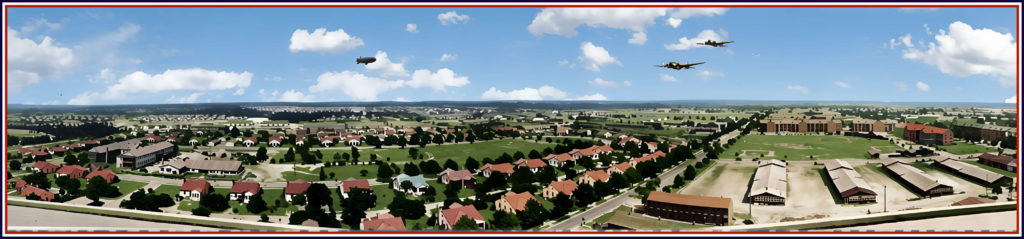
For two weeks the new recruits were confined to their own barracks area, except going to the exercise area each morning to keep or get into shape. Rifles were issues and they carried them during all drilling and instruction classes. Rifles were taken apart and cleaned almost each day. Rifle inspection was called at any time. It did not pay to have an unclean rifle, extra duty was the punishment dished out, K.P., clean barracks, etc., along with taking the rifle apart and cleaning every part.
Ed was eventually assigned to receive additional training in classroom study on processing military payrolls, how to fill out different forms, and typing without error, etc. This may have been because Ed already had some experience in similar work when he worked as an assistant manager in Buffalo’s movie theater chains. Ed would spend each morning in classroom study, and in the afternoon hikes and target practice with the rest of our platoon. Following about three month training the men were ready for the real Army.
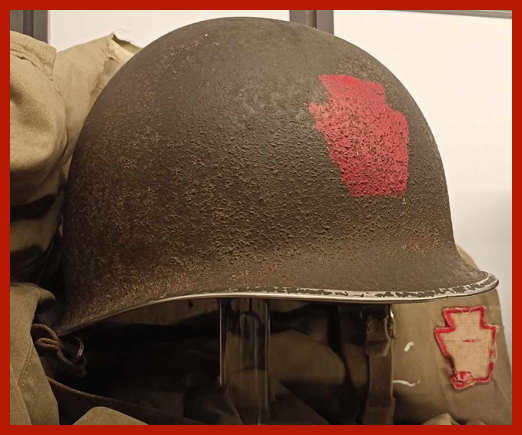
On Sunday, 3rd of July, Ed and five others boarded a train with a lieutenant for a new assignment at Camp Picket, Virginia. He was soon assigned to “B” Battery, 108th Field Artillery Battalion of the 28th Infantry Division.

The Division started as a Pennsylvania National Guard unit, but was only half its strength, so it was being filled with new recruits, like Ed, who were from other states. His arrival completed “B” Battery’s roster. The 108th had four batteries, A.B.C.&D.
B Battery had large 155mm howitzers.
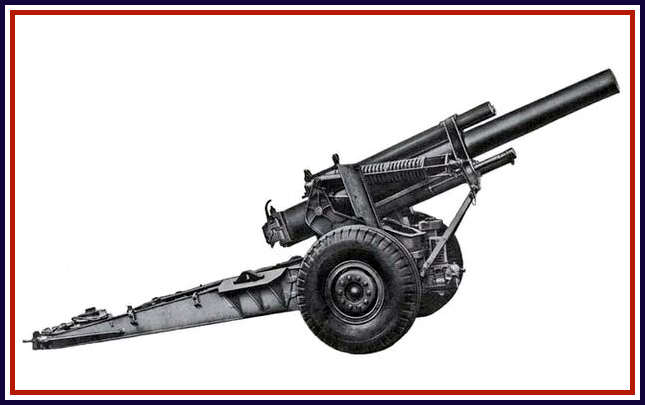
The other 3 had the somewhat smaller 105mm guns.
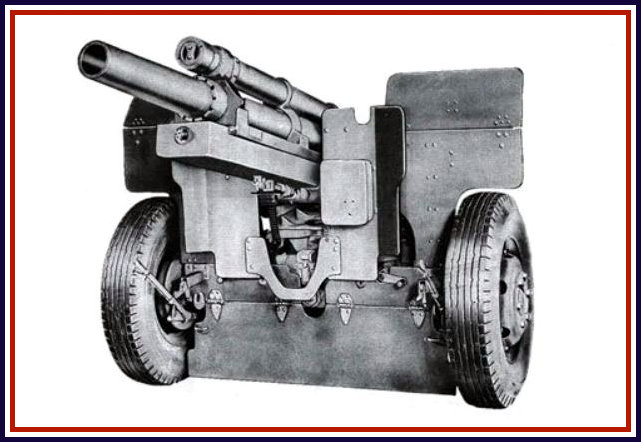
Ed was to be a backup for the B Battery Clerk, but his main assignment was as a 50 cal. machine gunner. Those would be set up to protect the flanks of the four Howitzer guns. Each day he would be with the machine gun crew to learn all about the machine gun: what type of bullets it had: 50mm caliber bullets, armor-piercing, tracers, and anti-personnel. It could stop anything if hit in the right area. Airplanes, trucks, tanks, etc. and, of course, enemy soldiers.
Ed met another soldier from his home town, Harold Cummings, who soon arranged for him to help out with clerical duties in the HGS [Headquarters] Battery, primarily completing and updating personnel records.
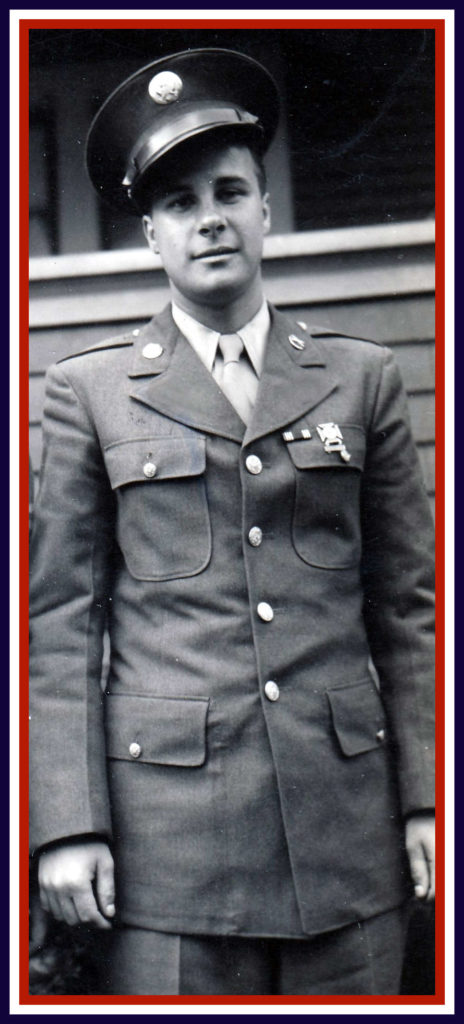
On the 17th of September, 1943, some of the Division left camp Pickett, Virginia, by train for Camp Myles Standish, Mass. Then on the 8th of October, a train to their POE (point of embarkment/staging area), Boston. They left Boston on the USS Santa Rosa. It was not a pleasant trip. The sea was very rough with waves almost tipping the ship at a 45-degree angle, side to side. It took us ten days to cross the Atlantic. The ship arrived at Swansea, South Wales on 18 October 1943. It was early morning Later that day, in the evening, they boarded a train
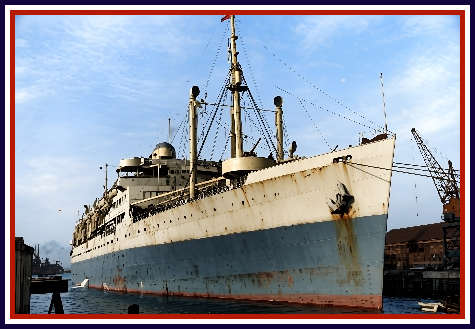
They went to a camp that had just been deactivated by the English Army. It was called Camp Penclawdd, Wales. They were the first Americans on Welch soil.
Ed later recorded this story about a very meaningful experience he had with some Welch citizens:
“In about ten days after our arrival in Penclawdd, we could get a pass to leave the base but had to be back for bed check by 11:00. Ed and a buddy got together to walk into Penclawdd, While there they met some locals who let them come regularly to visit and have a home cooked meal. [Note: an older couple, and their niece, Pat, who was about Ed’s age. Ed would keep up a correspondence with them for the rest of his life]
Unless we had to stand guard duty or KP (kitchen duty) we could go into Penclawdd each evening. His Welsh family there welcomed Ed into their home almost every evening. Pat would be there on the weekends. They wanted to know all I could tell them about America and marveled how close Canada was from Buffalo, and that we could go there without any problems. These were very happy and relaxing evenings to be there, and not spending free time in camp. This lasted for two months, until orders dictated moving to a new location on 20 December 1943. We promised to keep in touch when I had my new mailing address. I have been [in touch] ever since. “
Ed’s unit arrived at a more modern and larger camp after one day’s travel. It was Camp Island Farm, Bridgend, South Wales. They had more intensive training and lots of classroom instructions in regard to in-battle conditions for survival, how to keep equipment working, combat field training, etc.
After finishing KP Duty on day, Ed reported to the 1st Sargent’s barracks upon orders and was told :
“With your experience with updating records before we left the states, you are being temporarily attached to our medical battalion. You are to report tomorrow after breakfast. Take all your belongings with you.”
The Sargent in charge showed Ed what to do with the medical reports. He liked being with the medics and was able to learn quite a bit about first aid procedures; plus he could stay warm in the ambulance when out training in the field. But just when feeling maybe he could stay with the medics, Ed received orders to report back to “B” Battery.
It was back to the same old routine: marching, hikes, KP, and worst of all, going out on maneuvers in the cold weather, sitting in a ditch with the machine gun, and one other guy. It seemed like it rained all the time. Ed’s duty was always out in front of the big artillery guns, flanking them.
On April 12th, his unit left for a new destination. Next day they arrived at Camp Pelham Downs-Tidworth, England. While there, Ed began a flirtatious but innocent friendship with one of the British female soldiers assigned nearby. He did have a serious girlfriend waiting for him back in Buffalo. His unit’s stay at this camp was from 13 April 1944 to 17 July 1944.
After leaving that camp, his unit traveled all day through the English countryside and sometime early evening arrived at Dorchester, a city by the English Channel. We waited for a long time as the trucks inched their way to different landing craft ships.
As daylight faded into darkness, the LCS left from docks at the Isle of Portland. It was a very dark night. It was not long before they could hear the rumble of shells exploding and see the sky light up in flashes as they approached the French coast. It looked like a 4th of July display to Ed.
Disembarkation was accomplished at Colleville-sur-Mer area off Omaha Beach on make-shift piers established since D-Day. [Note: Date was July 22, 1944].
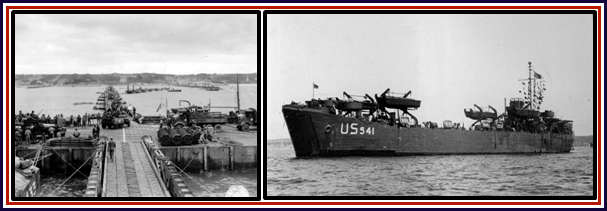
Movement of trucks and guns was a very slow procedure. The beach was a tremendous traffic jam, only one narrow road extending up the sand cliffs overlooking the beach. They traveled most of the morning into the hedge row area. That night Ed’s unit was first exposed to combat as German planes circled overhead during the night hours. They came through okay because of the well-dug prone shelters – better known as fox holes.
The 28th Division’s stay in the rear area was brief. Soon they moved into hedgerow territory.
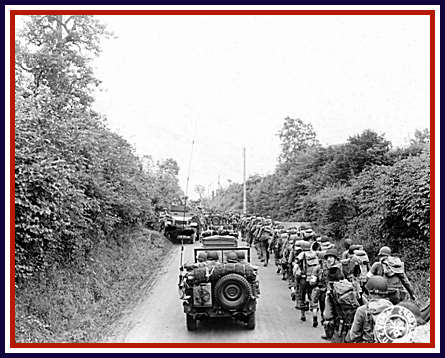
Fighting in Normandy centered about hedgerows that squared off the countryside in a checker board pattern. Hard-packed, root-filled walls of earth 4’ to 6’ high overgrown with thick hedges and trees. This formed the outline of enemy defense lines. German rifles and automatic weapons were generally placed behind the first row; mortars behind the second row. Big “88’s” in the rear, backed up by their front line troops.
From hidden positions in flanking hedgerows, Germans opened up with deadly crossfire from automatic weapons. Snipers and “burp” guns popped out of nowhere. As you can imagine, it took a long time for the 28th to fight out of the hedgerow area.
The 29th Division, which was on the left flank of the 28th, broke through first and was able to advance to St. Lo, an area that was completely destroyed by American bombers. The 28th division was then able to break out of the hedge rows.
Being in an artillery unit, Ed never stayed in one position too long. Artillery units backed up front line areas that needed heavy support. As his unit pulled out of the hedge row area, we moved very slowly on a narrow dirt road. Ed often was in the first truck following the command car and radio jeeps. He stood on the seat between the truck driver and the 1st sergeant. There was no roof on this truck because of the machine gun turret.
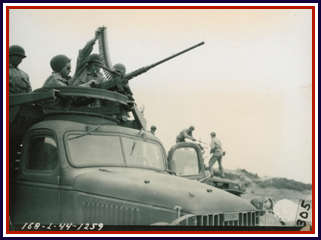
The truck carried supplies. The rest of the convoy consisted of vehicles: trucks, jeeps, half-tracks and four 155mm howitzers, pulled by the trucks; loaded with men to operate the howitzers. One truck load with 155mm shells followed at a distance in the back of the convoy. This described “B” Battery only. The kitchen truck would follow only after a new position was secured.
Initially they were out on the road all day. A few German planes followed their every move. No fire was exchanged but Ed was uptight the whole day. It was up to him and the other 3 machine gun crews to shoot them down if attacked. That night, the Battery was heavily bombed by Germans. Ed had been posted in a perimeter position with a machine gun and. He had two relief men nearby and described the experience:
“I dug my own fox hole and piled a few fence boards around it. When I finished, I realized they did not run a phone line with them. Out there in the middle of nowhere and no phone. I woke Clark after an hour and I laid outside my fox hole and immediately fell asleep.
All of a sudden, I was bounced into the air with a very loud noise. I dove into my fox hole and called out to Clark and Burns. No answer came from either one. I looked over into the woods and all hell had broken loose. Things were flying in the air and fires were starting; lots of yelling and screaming, “Help me, help me.” I stood up calling for Clark and Burns. All of a sudden my whole body was sucked into a vacuum type feeling and I could not breathe. I had hit the ground very hard. I realize now that I was blown up in the air and the wind was knocked out of me. The heat was unbearable and I thought I was dying. I was never so scared in my life. My mind said, Save me God . . . I do not want to die like this. I don’t know how long I lay on the ground but in a while I could breathe a little better. I could see that Clark and Burns were nowhere in my area because of the light from the fires in the woods. I was shaken because they both ran off and left me. I then realized those planes flying over us all day knew we were here. They bombed the area good. Believe me, from this episode on, I was never afraid again because I knew God answered my prayer of “save me.” That next morning, when I looked around, less than 10 ft. from my fox hole was a fin from a bomb, lying on the ground.
The attack was heavy. Numerous casualties were suffered by the 28th Division on that night of July 30, 1944.
Trucks and howitzers were destroyed and, worst of all, according to Ed, their kitchen truck that arrived late was the first truck to be blown up. At least three fourths of the Battery’s equipment was destroyed. At first, Ed thought, optimistically, that the unit would have to go back to England to get new equipment. No such luck. They had new trucks, guns and, above all, a new kitchen truck in short order
They continued to travel from area to area to back up our infantry and wherever extra help was needed. One move up, they traveled through an orchard loaded with apple trees and just right to pick. All had their share of apples. Some areas were not as scenic, cows and horses lay on their side bloated up twice their size.
As they advanced forward they came out of the large farmlands and would ride through small towns or villages. In the beginning, most were deserted. Lots of farm animals, cows and horses, lay bloated on their sides. One day as we approached a rather large town, we could see many half-bloated bodies of German soldiers. Our quarter master corps was picking up the bodies on a flat slab.
Ed describes meeting local French citizens:
« As we advanced further into France, we saw more civilians. They were so glad to see us, they crowded both sides of the narrow roads. It was a stop and go situation. The people were so happy to be liberated. They shook our hands and gave us cookies and flowers along with a few hugs. In between all this, battles were being fought. We would move into different areas, sometimes two or three a day. The night movements, I did not like. Leave the truck and head out front, far enough to defend our new positions. It seemed like someone new would be assigned each time to help me out. It was great to get an extra guy, once in a while, so we could get more sleep during those night hours. Two hours on guard and four hours rest. When daybreak came, it was amazing how everything looked so different from what we imagined at night.«
Ed then describes a day that would be one of his major experiences of the war:
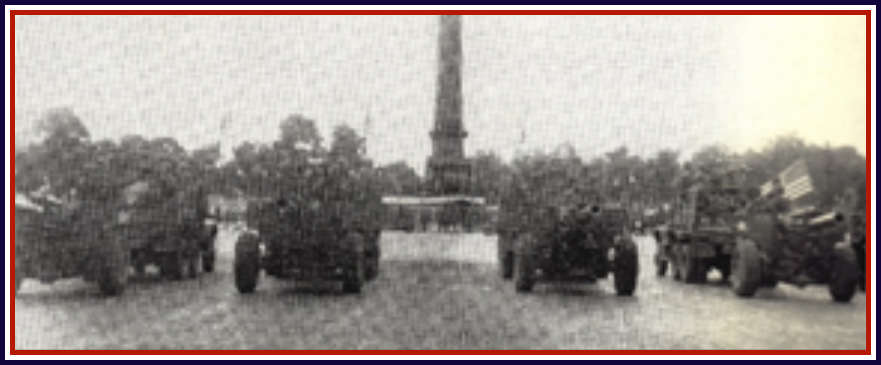
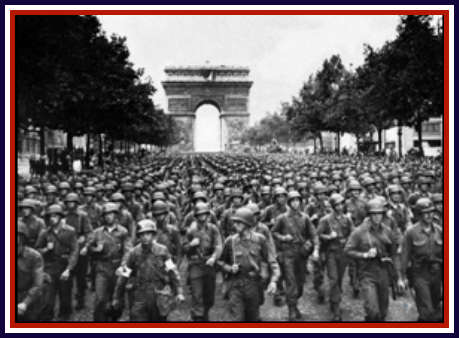
« One evening we pulled out of our position and traveled all night long. It was the longest movement we had made up until this time. We had no idea where we were going. Rumor spread, we are going to a rest area. Well, we ended in the outskirts of Paris. It was August 29, 1944. The Germans pulled out four days before. The day started bleak and rainy. Our division was selected to parade through Paris. It was a day I will never forget.
Hundreds of thousands of jubilant Parisians jam-packed the streets. General Charles de Gaulle, Generals Omar Bradley, Courtney Hodges, Leonard Gerow and our own General Cota of 28th Division were waiting in a reviewing stand on the Champs Elysees. Our foot troops marching 24 abreast past the Arc De Triumphe. This dramatic scene was later selected to be portrayed on a three cent stamp to honor the fighting men of the Army. The parade was but a shift from one assembly area to another. All in all it was a great day for the 28th Division troops.«
« Early the next morning, I was on guard at an intersection in this general area, heard the firing but it was not coming my way, thank God. All of the guys were exhausted and still sleeping all over the area. As I looked down one of the intersecting streets, I spotted three figures riding up on bicycles. It turned out to be a mother and her two daughters. Each one of them, including the mother, spoke good English. “I came here to see Americans, so my daughters would have the opportunity I had when my mother took me as a young girl to meet your fathers during WWI.” With that statement, all three laid their bikes down and proceeded to hug and kiss me, one by one. They then departed swiftly, back down the way they came.«
Shortly after having their K ration breakfast, Ed and his Battery climbed into trucks and slowly moved out of the Paris area. The 28th was not given much time to party. It was stop and go for a few days as American infantry mopped up small groups of Germans delaying the advance toward Belgium
In its push toward Germany, the 28th had to breach many obstacles. Hedgerows of Normandy, rivers of France, and savagely defended cities. In these actions, the Division had seen plenty of combat, through October of 1944, but none of them could compare with what was to occur at Hurtgen Forest. It was a gloomy expanse of thick woodland and treacherous terrain, southeast of Aachen. Ed would later write, “It’s just too hard to describe how terrible the conditions were. Both sides suffered a great number of casualties. Well, our action in Hurtgen was hell. Neither side would give in. The casualties were heavy for both sides.”
The stiff and bloody action during the first half of November, and the resulting injury to the 28th in Hurtgen, prompted headquarters to place the Division in a “quiet sector” for a time. This would be a 25-mile stretch in the soon to be infamous Ardennes Forest region along Luxembourg and Belgium. Activity during the first few weeks, while the Division maintained defenses in this quiet sector, was extremely light. Occasionally, artillery, or motor shells, were fired by both sides.
Ed’s Battery was reported to be positioned just outside the town of Diekirch, Luxembourg by late November of 1944. It’s firing battery was in position just below a high ridge which overlooked the town. In this so-called rest area, they were issued overshoes, a low cut type of rubber boot to fit over combat shoes. This helped feet to stay warmer.
Ed and another GI manned the gun during the daylight hours. Other personnel came at darkness, spelling each other during the night. In the meantime the weather was getting much colder. At the machine gun post, they dug their fox hole deeper and larger to keep out of the wind. Ed was so glad when he was off guard duty at night and could sleep inside of a nearby tavern.
Below is a story that Ed wrote about his experience just before the Battle of the Bulge started. It is inserted here:
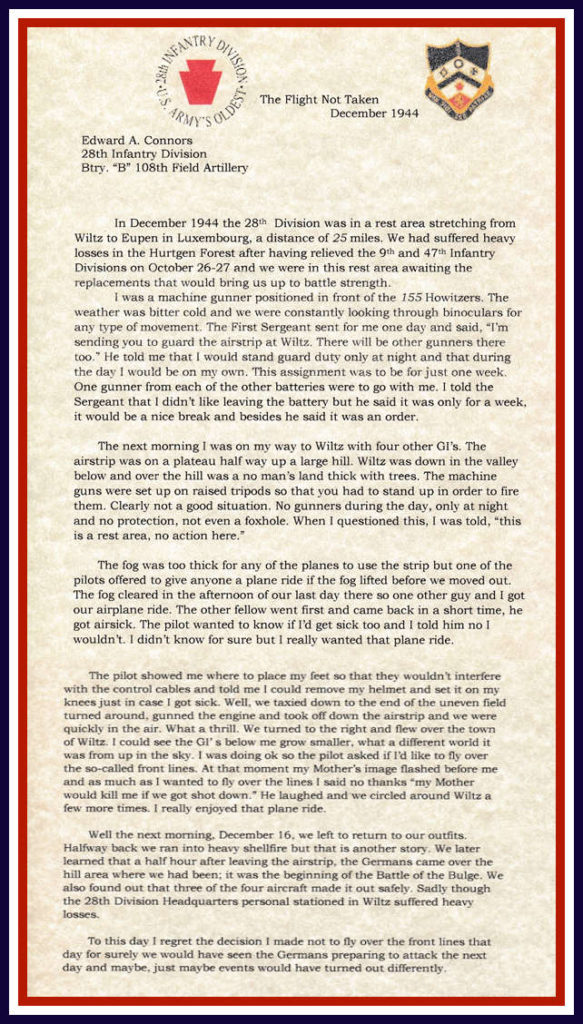
Ed continued to document his experience during the opening days of the Battle of the Bulge in his memoir :
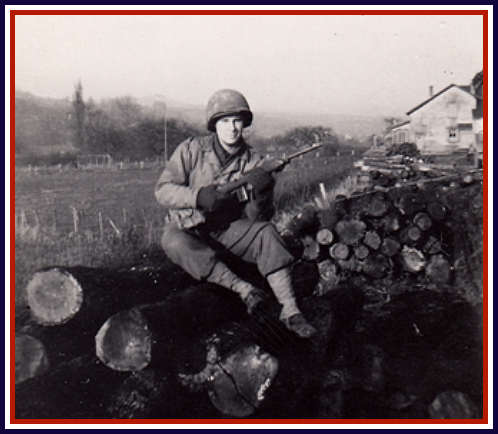
“As we traveled back on the road (from Wiltz) we started to be boxed in by shell bursts. The drive drove up an incline off the road. The shelling stopped. The driver said: “I came through here early this morning and I had no problems. We will drive along the incline and I’ll take another road up to Service Battery.” As we approached the Battery, everyone seemed to be running in all directions. We all ran to the command post and a lieutenant was on the phone talking to our division colonel; his face turned white and he hung up the phone. “What’s up, Lieutenant?” the 1st Sargent of Service Battery asked. “I told the Colonel a shell landed in our compound. He said, ‘pick it up and throw it back. The whole front is being attacked by the Germans’” The Lieutenant said, “I have three trucks loaded with 155mm shells for “B” Battery, they need as soon as possible. They are under full attack.” “B” Battery had moved to a new position in front of Diekirch while I was at the airstrip. The lieutenant sad, “You machine gunners can stay in here, or go with the trucks.”
When I think of it now, how stupid it was for us to choose the trucks; we had to sit on the shells. We managed to find “B” Battery who was being fired upon on and off. Our guys were in deep fox holes covered with tree limbs that had dropped from tree tops. The Germans were firing fuse quick shells like in Hurtgen Forest. Limbs falling down like splinters big enough to kill you.
I reported to the new 1st Sargent from Service Battery. “Are you the machine-gunner Sargent Knight sent to guard the air strip?” “Yes” I replied. “Well, Sargent Knight has been our first casualty, only wounded in the shoulder. He was very concerned about you getting back to “B” Battery.” I told the new 1st Sargent of our experience on the road coming back. “Well, get yourself in a fox hole downhill by the road you came up on.” As I walked quickly back, the shelling stated up again. “Grab a large tree trunk and hold tight to it!” someone yelled out. “It should stop in a short time, then when it stops start digging a small fox hole close to the base of the tree behind from the direction of shells coming in. Don’t move for at least ten minutes. The shelling has been on that schedule.” Our own firing back was not much because of ammo shortage.
But with the shells we came up with, our Battery returned fire continuously for at least half an hour. After that there was no German response. That was four 155 Howitzers doing a lot of damage. The ground was soft to dig a fox hole which I covered the floor with pine needles and surrounded the outside edges with large branches that were scattered on the ground. I must say it was a warmer place to be down in, and safer.
Under the darkness of night, orders came down for his Battery of 155s to pull out. His machine gun section of four men, with two bazookas, was to cover the road at the bottom of the hill, until all the Battery was safely out. The last truck would pick them up.
Now in the darkness this vehicle coming down the road from the hill was traveling at a fast pace. As it approached, a familiar voice said “they better be here, because I’m not stopping if they’re not “Get in quick” he hollered. “They’re coming right behind us!” Ed set the machine gun on the roof mount, as the other guys jumped in the back of the truck which was loaded with GIs. A wild ride ensued.
As we approached this one town they were stopped several times by MP’s and questioned, looking for German infiltrators. Eventually they pulled up at a check point and told to dismount. This is where « B » Battery was stationed. All looked very weary and depressed, but all were glad to see we made it out of Diekirch. Ed pulled guard duty one more night. Soon he was surprised when told to report to Headquarters Battery.
A letter that Edward wrote to his parents on Christmas Day, 1944:
(Original in possession of his son, Dennis)
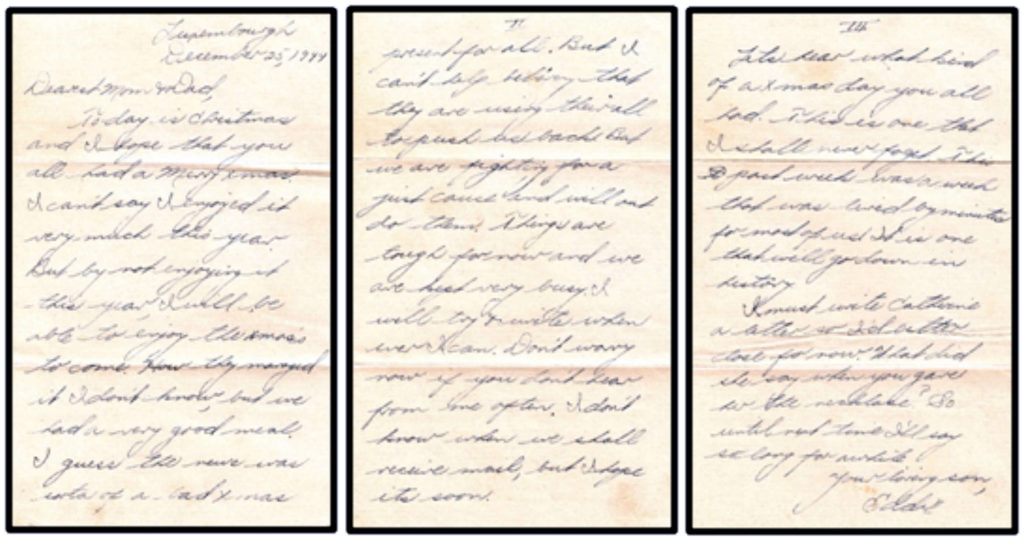
Transcript of the Letter :
Dearest Mom & Dad,
Today is Christmas and I hope that you all had a Merry Xmas. I can’t say I enjoyed it very much this year. But by not enjoying it this year, I will be able to enjoy the Xmas’s to come. How they managed it I don’t know, but we had a very good meal. I guess the news was sort of a bad Xmas present for all. But I can’t help believing that they [Germans] are using their all to push us back. But we are fighting for a just cause and will out to them. Things are tough for now and we are kept very busy. I will try to write when ever I can. Don’t worry now if you don’t hear from me often. I don’t know when we shall receive mail, but I hope it’s soon.
Let’s hear what kind of Xmas day you all had. This is one that I shall never forget. This past week was a week that was lived by minutes for most of us. It is one that will do down in history. I must write Catherine a letter so I’d better close for now. What did she say when you gave her the necklace? So until next time, I’ll say so long for a while.
Your loving son, Eddie.
The clerks in the Headquarters Battery for the 108th Field Artillery unit had been stationed in the 28th Division’s headquarters at Wiltz, Luxembourg when the German breakthrough occurred on December 16, 1944. Wiltz was under heavy attack and all available personnel were pressed into action. Several of those clerks were casualties. In the division’s efforts to regroup after the initial attacks, Headquarters Battery for the 108th FA needed to secure some replacement clerks. Sgt. Harold Cummings was assigned part of that task. He was from the Buffalo area and had remembered meeting Edward at Camp Pickett in Virginia. Over 18 months later, Cummings remembered that Ed already had experience doing clerical work as a theater usher, and also briefly at Camp Pickett. Cummings personally sent for Ed in late December of 1944 to help fill the roster for personnel clerks at the 108th FA Headquarters Battery, saving him from further front-line combat duty for the rest of the war.
It was the beginning of a new style of living for Ed. He enjoyed the work, and got along with the group very well. They finally found out they were back in Belgium, probably in Neufchateau. In the month of January 1945, the Battery moved back into France (Charleville.) Then around 17th January to St. Marie Aux Mines, France.. We spent the night in a factory type building.
Sainte-Marie-aux-Mines was initially liberated in late 1944, by the 142nd Infantry Regiment, 36th Infantry Division, prior to the 28th Division’s arrival in the sector. The 28th Infantry Division Command Post was stationed there from January 17 to February 1 of 1945 during the “Colmar Pocket” campaign. The Division had been ordered to that Alsatian region to help other French and American forces force the Germans out of the Colmar area, the last German occupied territory west of the Rhine River.
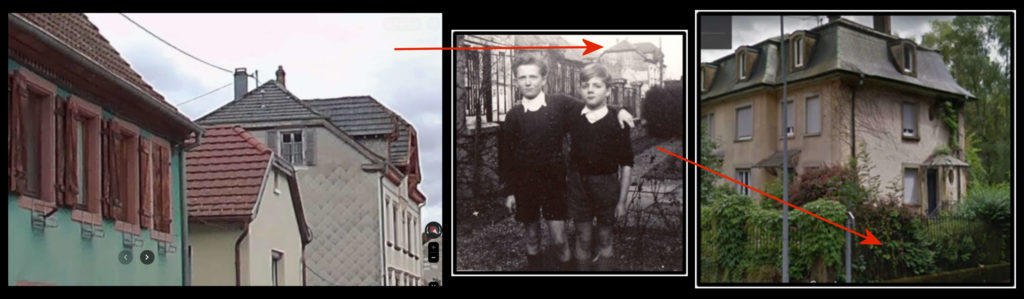
Within a few hours a truck arrived at the factory to move Ed and his unit. It drove back into town and stopped in front of a very large residence. The owners of the house were Yvan Faudi and his wife Marthe Lamirel. Yvan was manager of a local textile factory at Sainte-Marie-aux-Mines. He was reportedly taken away when the Germans pulled out. Yvan and Marthe had 3 children: Maurice, age 21; Yves, age 17 and Marc Gerard, age 14. Ed and the other Americans were to limit themselves to a front hall and an adjacent front room. the rest of the house was occupied by the family and was to be off limits to the American soldiers.
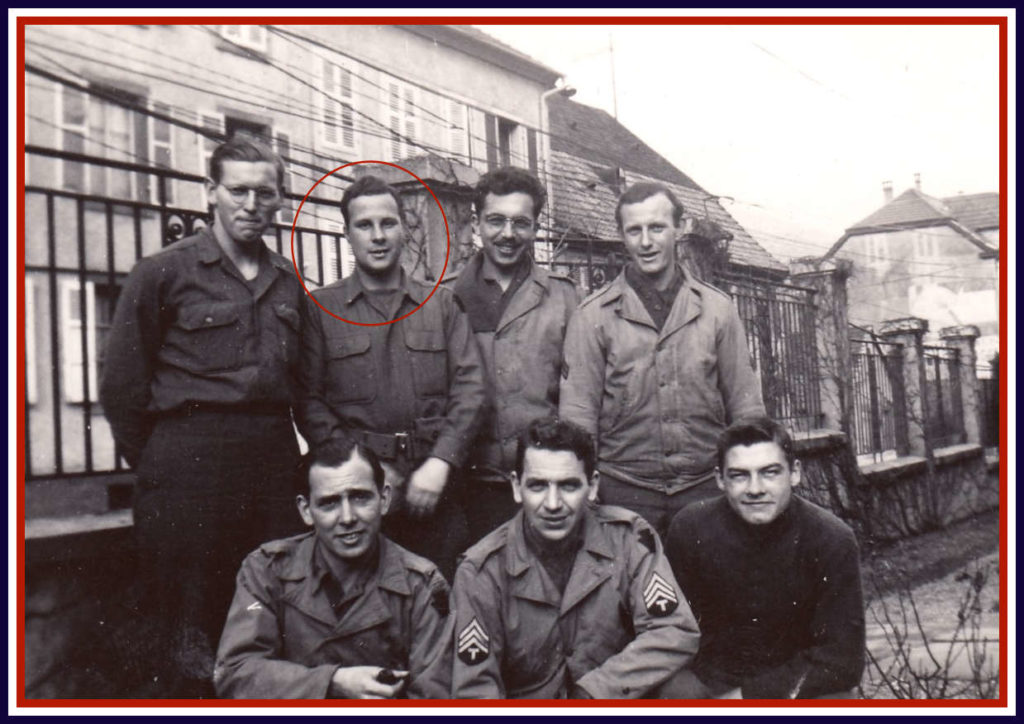
They set up their desks to leave enough room to spread out their bed rolls at night and sleep on the floor. They would be in and out of the house during meal times which they had in a large building the Germans fixed up for that purpose.
The guys established a brief friendship with a woman and her 2-year-old child living across the street. Ed served as a bit of a “go-between” because he resembled her missing husband, whom the Germans had taken. The GI’s shared some of their food with her.
While Ed and his fellow clerks stayed in the Faudi house for several days, they were able to visit with the family in their kitchen each evening. The Faudi housekeeper, the mother, and her young son, Marc, would invite them into their kitchen. Each evening they would play cards or some sort of game. The house maid would wash the American’s clothing and they would pay her. This worked out fine for all concerned. Some evenings a friend of the housemaid would come over. They all got along fine. As Ed would later remember :
“We learned a little French. They learned a little English. The war itself stopped while we were at this location, called Saint Marie by us. We were quite busy in personnel now, with handling paperwork for GIs with enough points, getting discharged from the service.”
[Additional Note by Ed’s son, Dennis]: It is at this point in his autobiography that Ed refers to the January 31, 1945 execution of Private Eddie Slovik of the 28th Division for desertion. The firing squad took place at a location not far from Ed’s quarters at Ste. Marie aux Mines. The site found for the execution sat just on the outskirts of Sainte Marie, only about 1500 feet south of Ed’s quarters in the village].
Shortly after the execution of Slovik, Ed and the other headquarters clerks left France and by 28 February 1945 had relocated to Germany. The official 28th Div. history states its Command Post was moved to Kaysersburg, France on Feb 1 and then to Colmar, itself, on February 4. [Note: It’s possible that Ed’s Battery Headquarters unit was stationed briefly in those two locations after Ste. Marie aux Nines.] This period was while the 28th Div. helped reduce the famous “Colmar Pocket,”-the last French territory occupied by German troops west of the Rhine. That battle was over on February 9. By the middle of February, the 28th had been shifted several miles to the northwest in France, before eventually moving into Germany and arriving by mid-April in Landstuhl, Germany, near Kaiserlauten, for occupation duty. It seems Ed would have been at Ste. Marie from approximately Jan. 17 until early February. He marked a photo of himself at Toul, France, which became the CP for the 28th Div. on February 14. [Note: That was about 80 miles northwest of Ste. Marie, after the division had left the Colmar area.]
Germany formally surrendered on May 7, 1945. The 108th Field Artillery Battery clerks were moved to an area in France. It was called Camp Lucky Strike, a place situated approximately 45 miles northeast of Le Havre, where personnel records had to be reviewed for correctness. It was up to Ed and the other clerks to interview each GI from his Battery who had enough points for discharge. Ed later recalled,
“It was a very tiresome job, all day long. If I recall correctly, you received five points for every six months of service time, and five points for each battle you participated in. So, the more points one had, the quicker you came up for discharge. «
Camp Lucky Strike » was populated by 60,000 to 100,000 Americans and covered an area of almost 1500 acres. Ed finally shipped out for the United States from France on July 28, 1945 and was discharged at Camp Rucker, Alabama with the rank of Tech Sergeant, Grade 4.
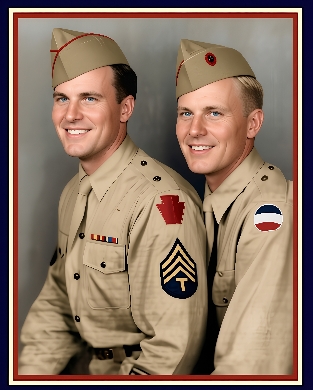
Appendix 1
Highlights of his service:
December 8, 1923 -Birth
February 26, 1943 – Induction, 19 years old
July 22, 1944 – Arrives France at Omaha Beach Landing Area
July 30, 1944.- Luftwaffe conduct a heavy raid over the 28th assembly area.
July & August, 1944 – Ed sees combat as a 20 year old from just inland of Omaha Beach, and then through Normandy, France and on to Paris
August 28, 1944 – Participates in Liberation Parade through Paris
Sept to Dec, 1944 – Fought in France, Belgium, & Luxembourg
Nov 2 to 19, 1944 – 28th Division suffers extensive casualties in Hurtgen Forest
Dec 16-25, 1944 – Survives Battle of the Bulge
Ed’s further comments regarding the notation put on his Discharge Papers
“Classification Spec 275”
listed under
“Military Occupational Specialty”
“This was put on my Discharge for securing a job in civilian life. This occupation was only after the German Breakthrough claimed our Battery clerk sometime in Dec-Jan, 1945. I had been trained in basic training for this position; but I ended up being a machine gunner (50 cal.) because the Battery needed only one clerk to stay in the rear area. My knowledge of airplanes, allied and enemy, helped me to get this [machine gun] assignment.
There were four machine guns to cover four 155mm howitzers on all flanks per Battery. Usually two men for each machine gun during daylight hours while in position. At night when not on the move, a third man was sent to help out for sleeping purposes.
Of the original group, only two of us remained on the machine guns, others being replaced (because of pressure being on constant alert-loneliness (away from Battery) and not knowing what was around you, especially at night, and moving into position at night.”
[Note: Ed’s official “Separation Qualification Record,” however, provides a more complete record of his actual “Military Occupational Assignments” and associated ranks as follows:
3 months Private F. A. Basic Training
8 months Private First-Class Heavy Machine Gunner
11 months Corporal Clerk, Typist
4 months Tec 4 Classification Specialist*
“During last 4 months of service with 108th F.A. Bn. was classification specialist in the Bn. Prepared payrolls for 500 men. Made out Morning Reports, Records of Bn., strength and disposition of men in Battalion.”]
Post War
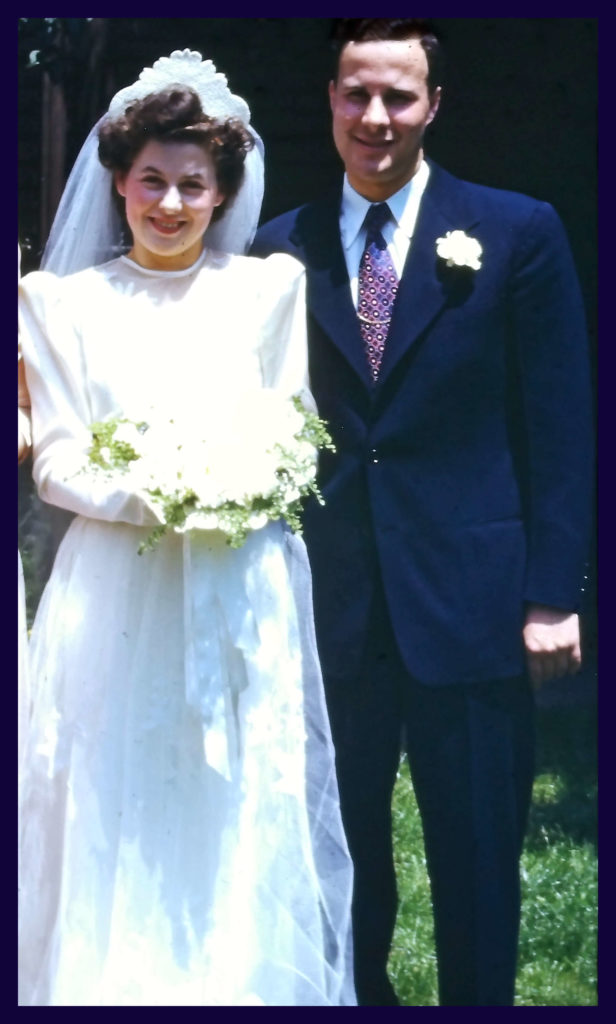
Ed returned home to Buffalo and proposed to his girlfriend, Kate Kenney.
They were married in 1946 and would have five children born from 1948 until 1959.
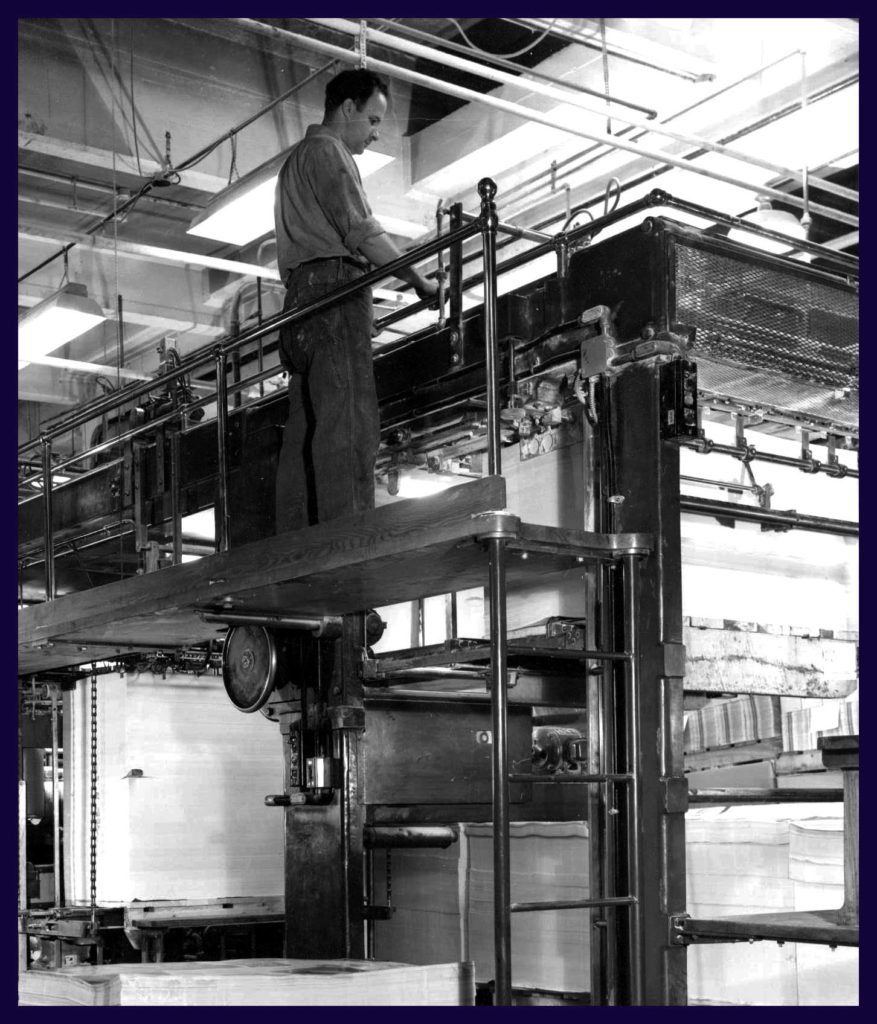
He worked most of his life with a large printing firm located in the Buffalo area, first as a pressman and then later as an offset plate maker.
The family originally lived in Lackawanna, NY and later in Hamburg, NY after 1968. He made one trip back to Wales to visit the friends he had made there in 1944. In his retirement years, he was active in a local VFW post in Hamburg and attended area Battle of the Bulge reunions. He also took up landscape painting as a hobby in retirement.
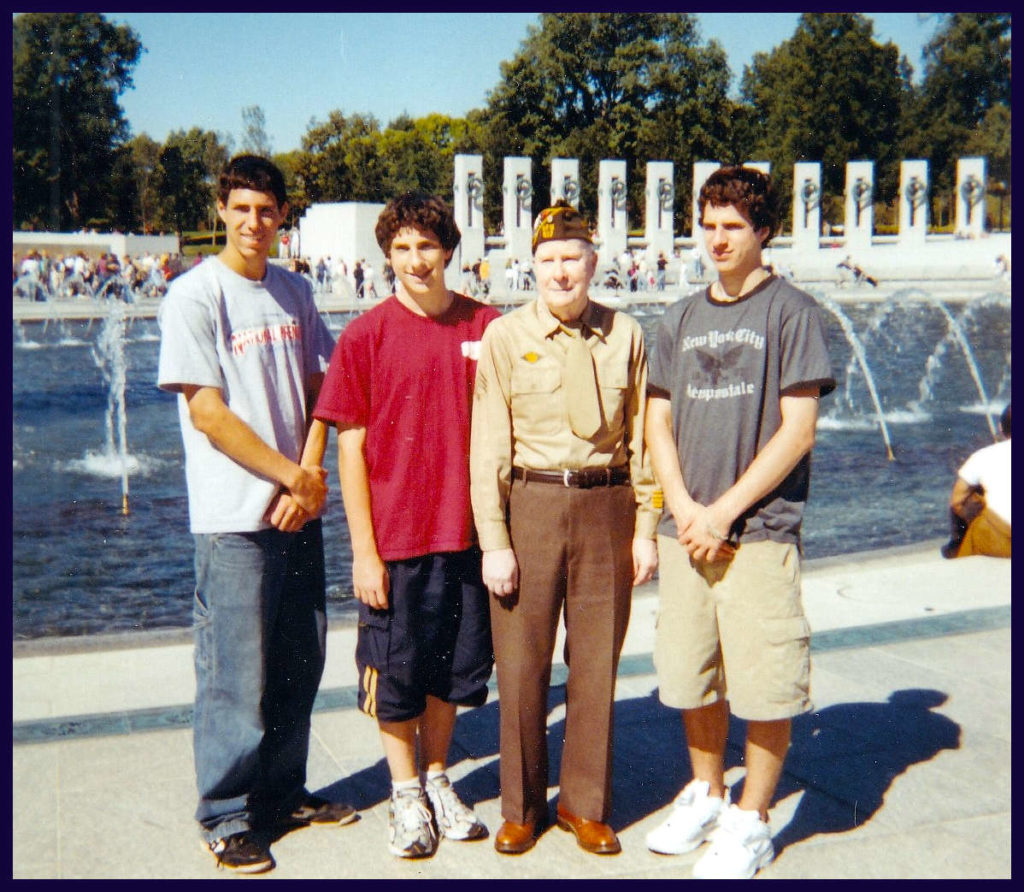
A proud moment for him and his grandchildren was his visit in 2004 to the World War II Memorial in Washington, DC. He wore part of his uniform and was regularly greeted with, “Thank you for your service.”
Ed passed away on June 17, 2013 and is buried in Holy Cross Cemetery (Gethsemane Mausoleum) in Lackawanna, New York.
We sincerely thank Dennis Connors, his son, for sharing his father’s story, so that we may pay him the tribute he deserves for his contribution to our freedom. We will never forget you!
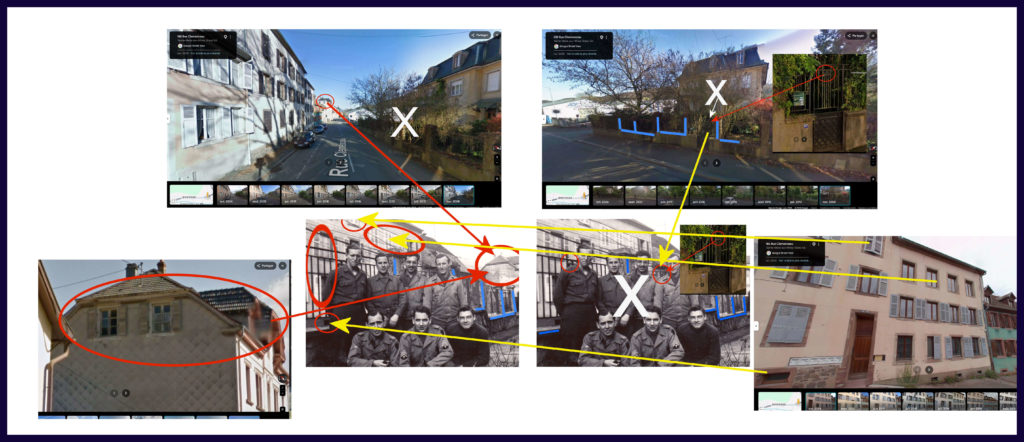
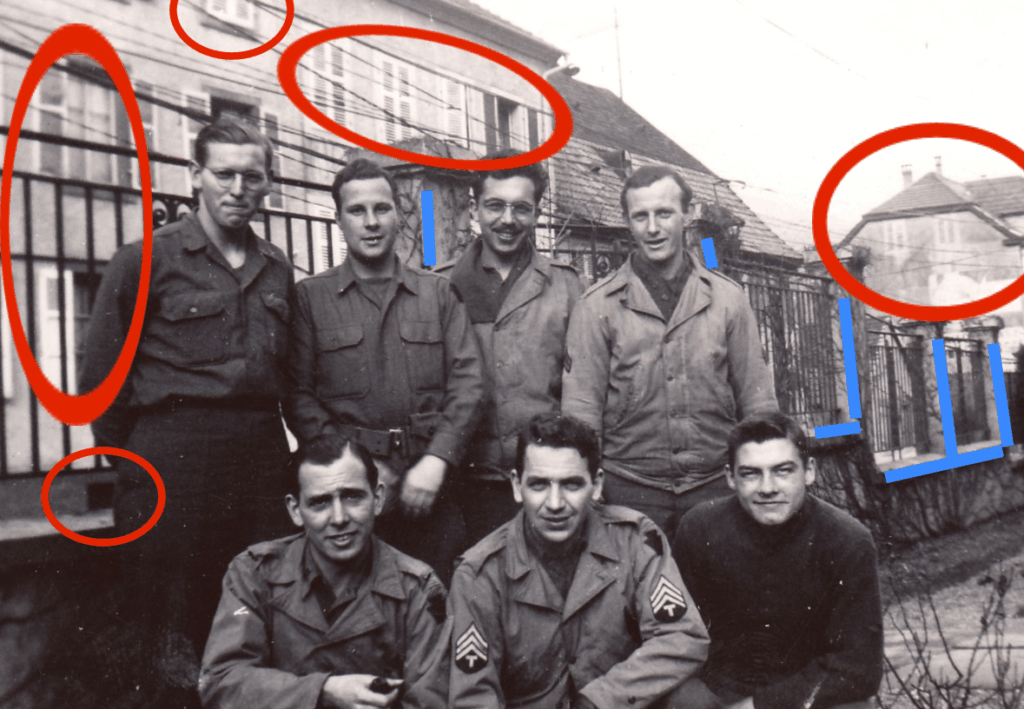
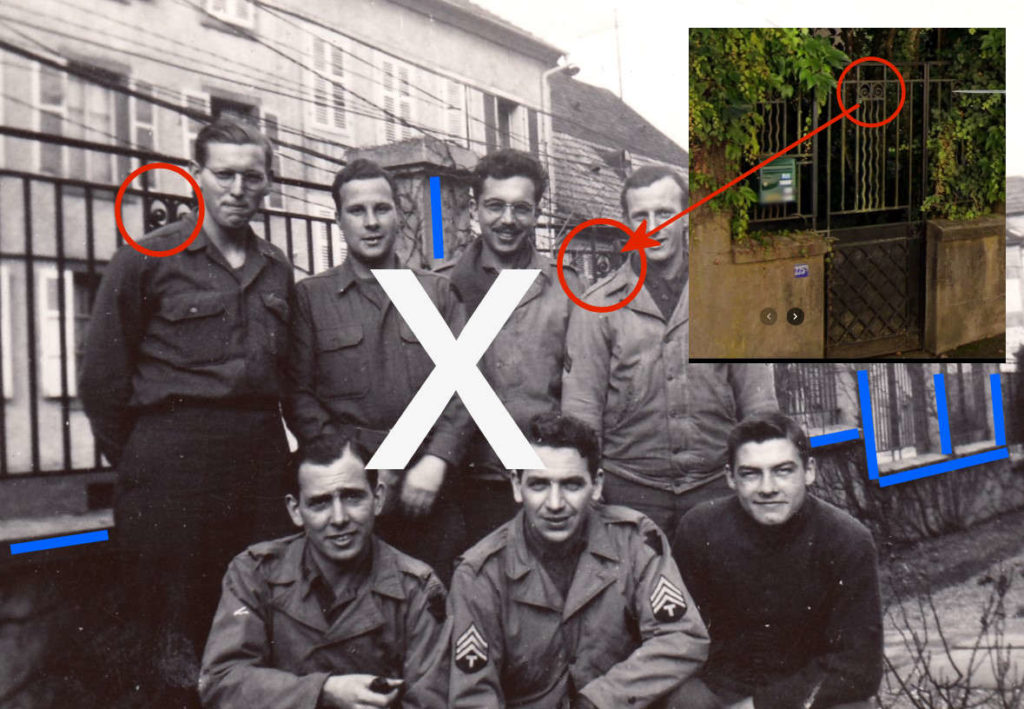
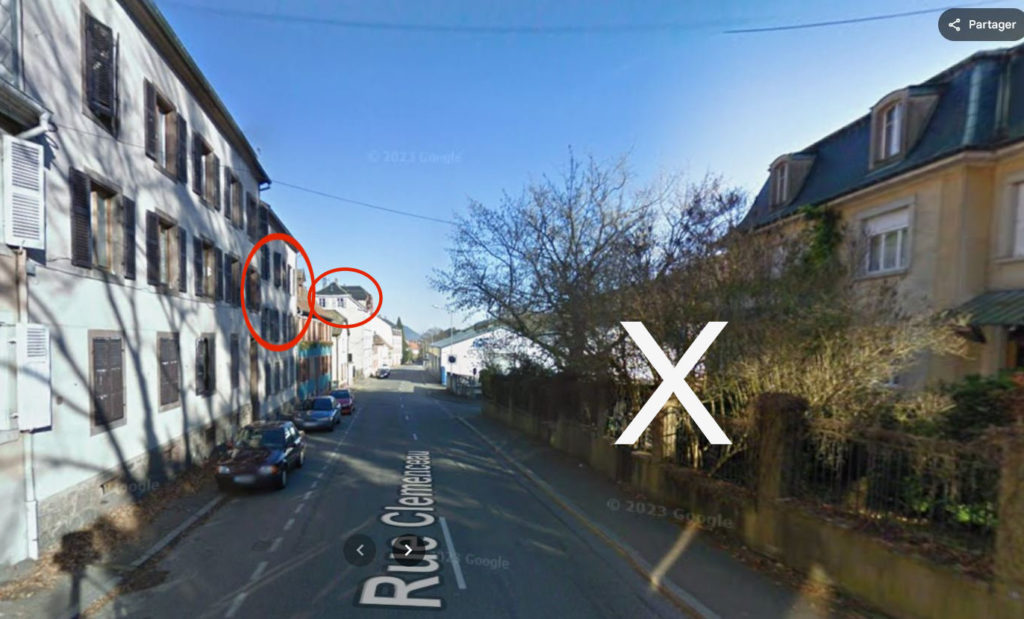
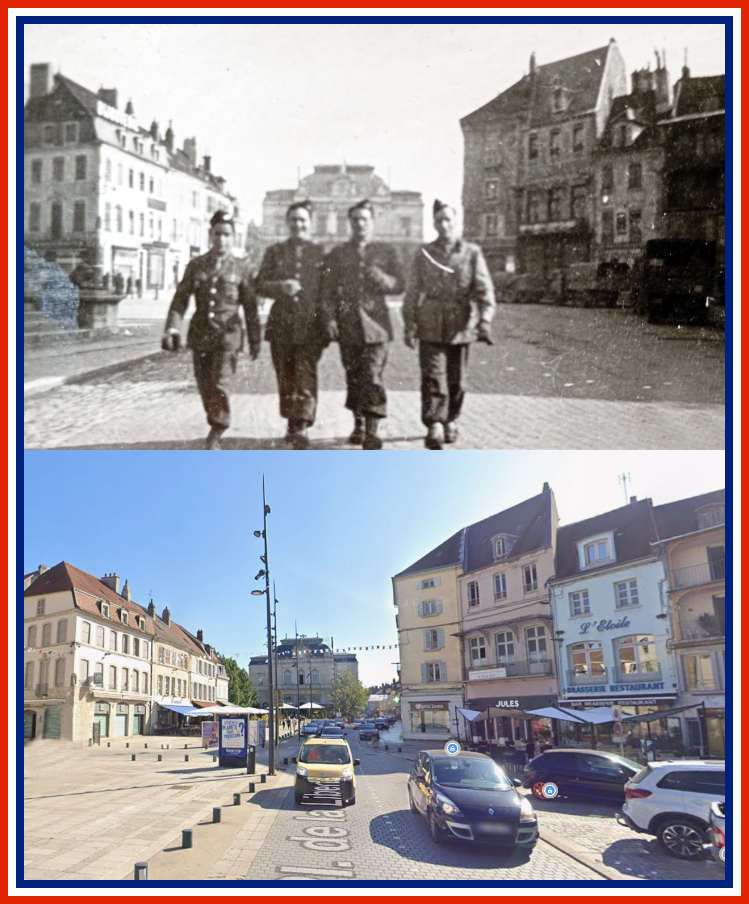
Then & Now :
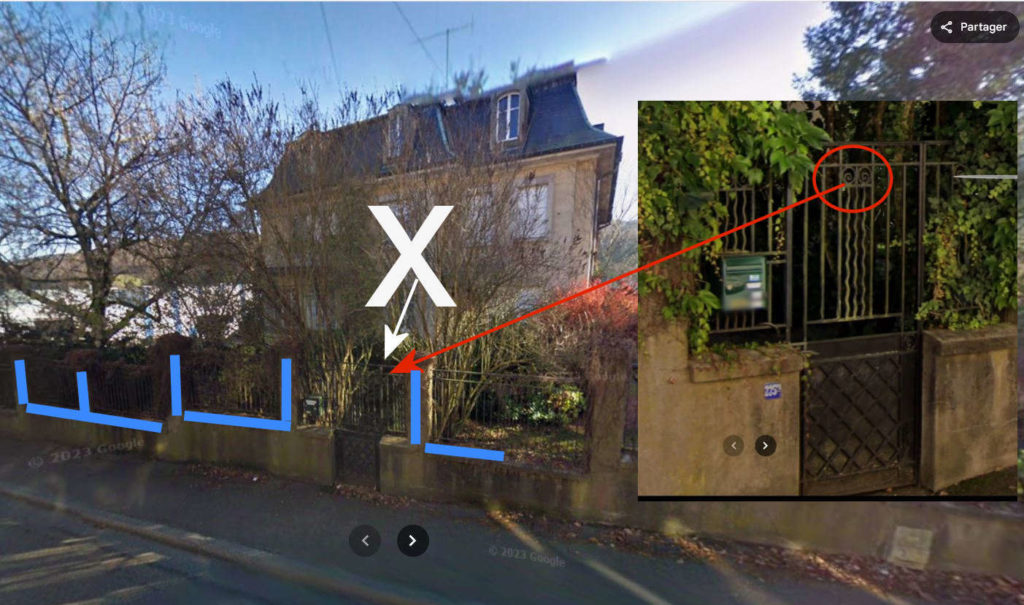
Martin THIERRY 1926 – 1945

Martin Thierry est né le 5 août 1926 à Blodelsheim dans le département du Haut-Rhin(68).
Il est le fils d’Ernest THIERRY(1894-1978), cultivateur, et de Marie-Rose Sitterlé(1895-1936).
Il est le 3ème enfant d’une fratrie de quatre : Paul l’ainé (1923 – 1944), Robert (1924-1945), Martin (1926-1945) et la cadette Ernestine (1930-2012).
Le 25 juin 1954 la brigade de gendarmerie de Blodelsheim enquête sur demande du Ministère des Anciens Combattants et Victimes de Guerre afin de connaître dans quelles conditions les frères Paul, Robert et Martin THIERRY ont été incorporés dans l’armée allemande, quelle était leur comportement antérieurement à leur incorporation, ainsi que dans le cadre de l’attribution de la mention « Mort pour la France » :
Le maire de Blodelsheim, Monsieur Joseph Stahl, déclare qu’il a bien connu les frères THIERRY natifs de sa commune : « Paul et Robert ont été incorporés de force dans l’armée allemande. Paul a été incorporé en 1942 et est tombé sur le front russe en 1944. Robert a été incorporé en 1943 et porté disparu en 1945 alors qu’il se trouvait sur le front russe. Martin s’est caché à Balgau pour ne pas servir dans l’armée allemande. il a été tué le 7 février 1945, lors des combats de la libération qui se sont déroulés dans la région. Ces jeunes gens n’ont jamais appartenu à aucune institution ni formation pro-nazi. Rien n’était à reprocher à ces jeunes gens au point de vue national français. Il en est de même pour leur parents qui ont été durement éprouvés par cette guerre ».
Ernest THIERRY, père des trois garçons déclare : « Mes fils Paul et Robert ont été incorporés de force dans l’armée allemande, l’un en octobre 1942, l’autre en 1943. Mon fils Paul est tombé sur le front russe le 7 juillet 1944 et Robert n’est plus revenu et a été déclaré disparu. Quant à mon fils Martin, il a été appelé au Arbeit Dienst (Travail obligatoire) et est venu en permission vers la fin de décembre 1944. Au lieu de rejoindre l’armée allemande il s’est caché chez son oncle à Balgau et au moment de la libération il a été tué au cours des combats qui ont eu lieu. Aucun de mes trois fils n’a été volontaire pour servir dans l’armée allemande.
Le 14 juillet 1956 le maire de Blodelsheim, Monsieur Joseph Stahl, déclare aux gendarmes au sujet de Martin THIERRY : » Pour se soustraire à une incorporation certaine dans l’armée allemande, ce jeune homme (Martin) domicilié chez ses parents à Blodelsheim 21 rue des Messieurs est allé se cacher chez son oncle Seiller, tailleur, demeurant à Balgau. D’après ce qu j’ai pu apprendre, le 7 février 1945, THIERRY Martin se trouvait dans la cave de son oncle lorsqu’un obus traversant la paroie de la maison a explosé dans la cave le tuant net. »
Le 21 mai 1958 son père, Ernest, déclare aux gendarmes : » De juillet à novembre 1944 Martin est allé en Allemagne pour le travail obligatoire, ensuite il est parti en Hollande. De noël 1944 à début janvier 1945, il a reçu un ordre régulier de convocation qui lui a été apporté par un gendarme allemand en vue de se présenter chez les SS à Rouffach(68). Il n’a pas répondu à cette convocation et est allé se cacher chez des cousins à Balgau(68), Monsieur Seiller Théophile, tailleur, dont j’ignore l’adresse exacte mais qui habite près de la gare. Mon fils se trouvait chez mon cousin le 7 février 1945, il y a eu ce jour là un bombardement effectué par les troupes américaines, au cours duquel il a été tué ».
Martin THIERRY
sources :
Service historique de la Défense, Caen – AC 21 P 402121
Le tragique destin d’Ernest Thierry et ses trois fils Malgré-nous et victimes liées à Blodelsheim
Paul MUSCAT 1922 – 1995

Paul Muscat est né à Alger le 7 janvier 1922.
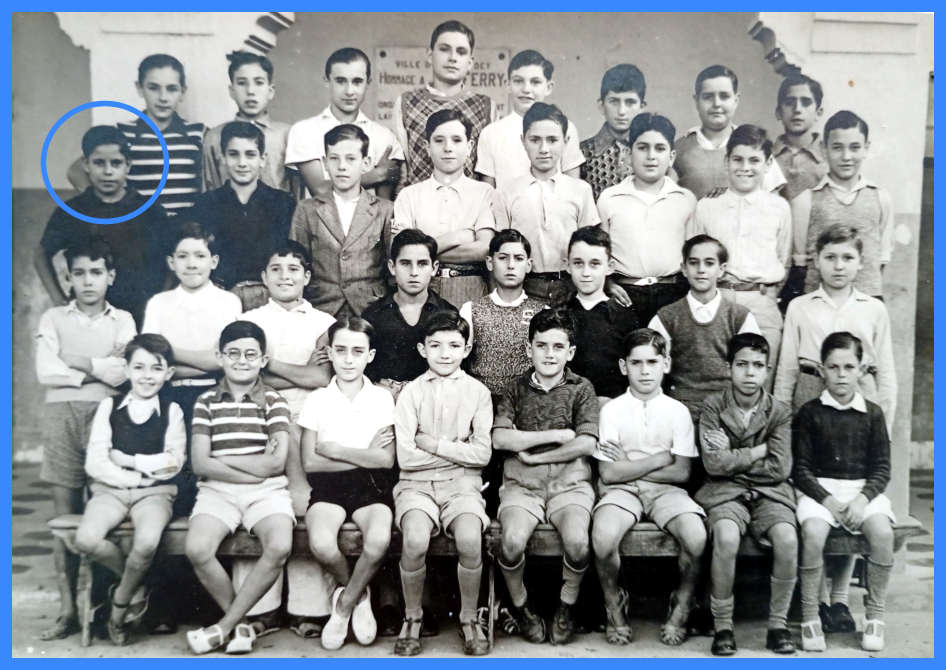
Il est affecté au chantier de jeunesse de Blida le 24 février 1942 et il est libéré de ses obligations le 15 octobre 1942.
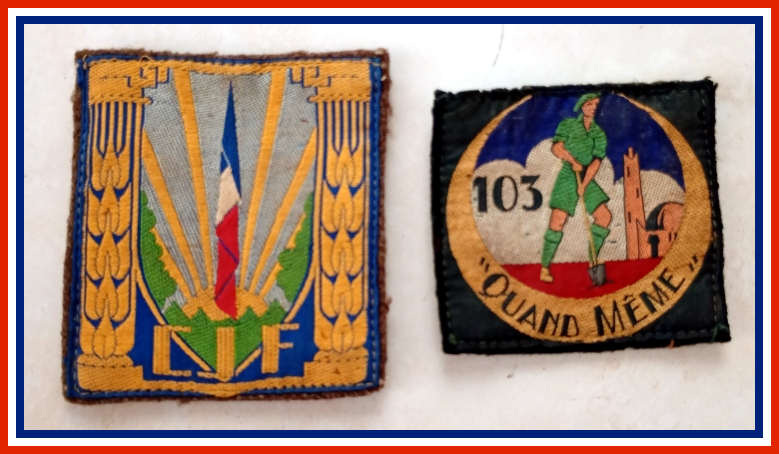
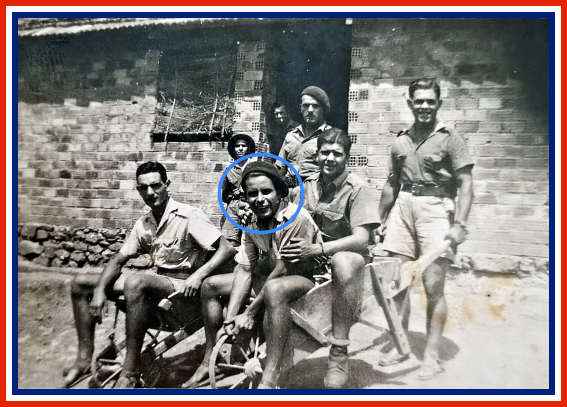
Après l’opération Torch (nom de code du débarquement des troupes américaines en Afrique du nord le 8 novembre 1942), il est rappelé dans l’armée française (l’ensemble de la classe 1942 est mobilisé) le 20 novembre 1942. Il est affecté dans l’armée de l’air le lendemain de noël, le 26 décembre 1942.

Il fait mouvement de Desaix en Algérie (nador aujourd’hui) vers Fès au Maroc le 14 février 1943. Il est affecté au 1er Régiment de Chasseurs Parachutistes (1er RCP) le 17 février 1943.

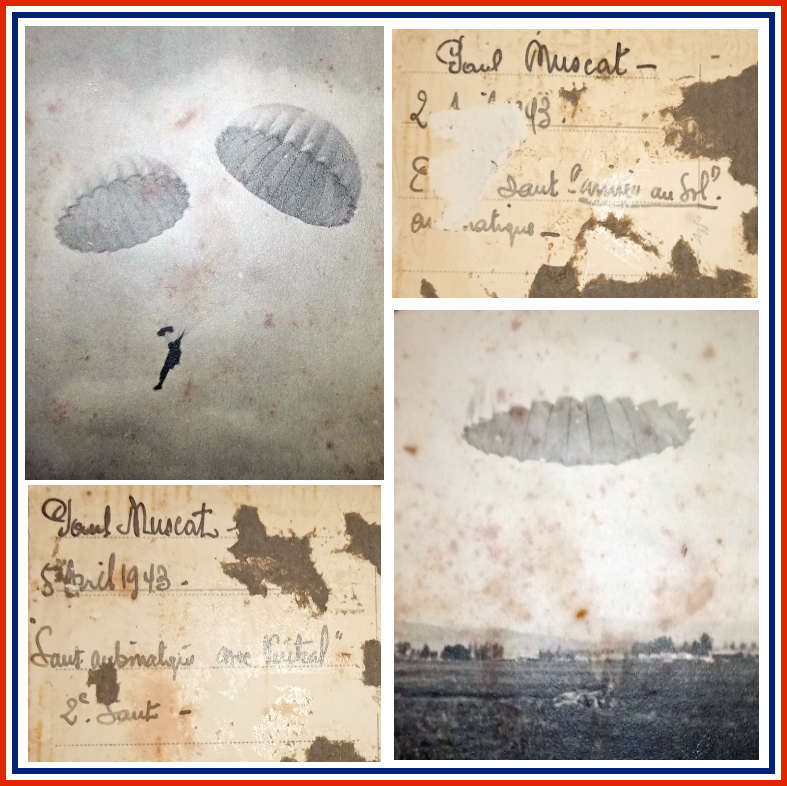
Le 6 octobre 1943 il se dirige vers Oudja au Maroc où se trouve l’Airborne Training Center (ATC) de la 82ème Airborne US. Il y effectue un entrainement des plus sélectif et obtient le brevet parachutiste n° 1324 le 24 mai 1943.

Il est affecté à la 1ère Compagnie(1ère Cie) du 1er RCP qui est rattaché à l’Etat-Major (EM) du régiment.
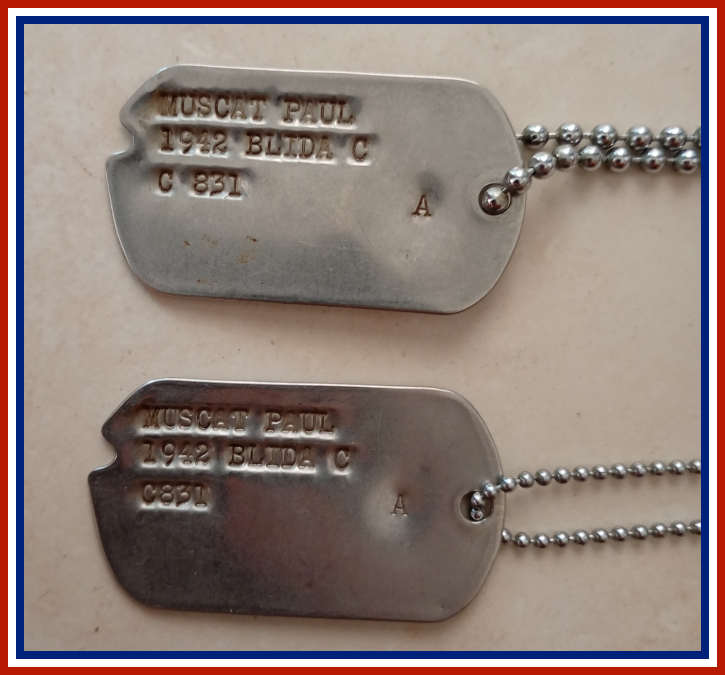
Après le 14 décembre 1943 il fait mouvement de Oudja vers la région de Ménerville, puis sur Bordj-Menaiel le 10 février 1944.

Il rejoint par voie aérienne Trapani, en Sicile à la date du 16 avril 1944.

Le 6 juillet 1944 il arrive à Rome avec l’ensemble de son régiment.
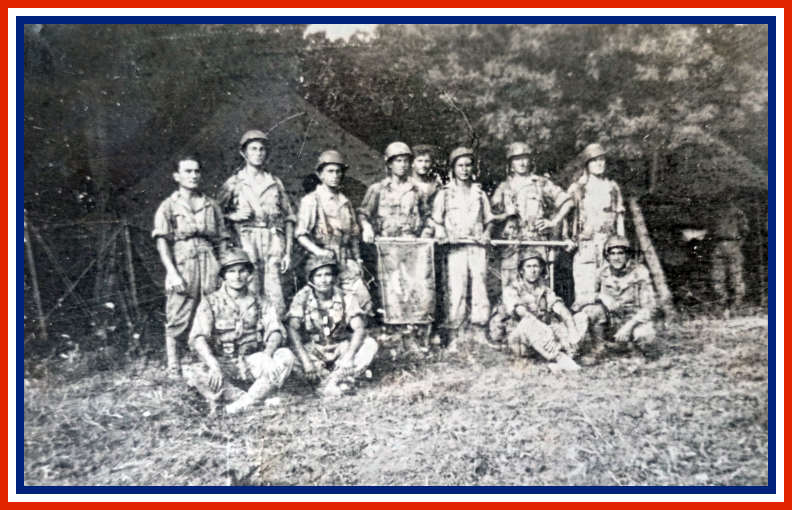
Le 14 juillet 1944 est célébré par une prise d’armes et un office religieux en l’église Saint-Louis-des-français à Rome. Le pape Pie XII bénit les fanions régimentaires à Saint-Pierre.

L’entrainement rigoureux se poursuit jusqu’au 5 septembre 1944, date à laquelle il touche le sol métropolitain sur le terrain de Valence-Chabeuil. Le 1er RCP quitte Valence le 28 septembre, remonte la vallée du Rhône, à destination de La Rochotte dans le Val d’Ajol (70) avant de rejoindre Rupt-sur-Moselle le 1 octobre 1944.
Il connait son baptême du feu durant la campagne des Vosges du régiment et il y participe du 2 au 22 octobre 1944.
Il se distingue en particulier le 6 octobre 1944, lors de la prise du Mesnil, en obtenant une première citation à l’ordre du Régiment :
» Servant de pièce de mitrailleuse, durant la campagne de France a constamment fait preuve de courage et du plus grand sang-froid. S’est particulièrement distingué le 6 octobre 1944 dans les Vosges, en pénétrant un des premiers dans le village du Mesnil, malgré la présence de 3 chars ennemis tirant à moins de 150 mètres; a participé avec sa pièce au nettoyage des maisons en un temps record et à l’arrêt net d’une contre-attaque ennemie. »
Cette citation comporte l’attribution de la Croix de Guerre 1939-1945 avec étoile de bronze.

A la fin de cette campagne, Paul Muscat est dirigé vers Saulx-de Vesoul puis Lons-le Saulnier le 6 novembre 1944, date à laquelle le poste de commandement(PC) du 1er RCP s’installe au château d’Arley.


Le 7 décembre il fait mouvement vers Gerstheim(sud de Strasbourg) en Alsace. Du 7 au 22 décembre 1944 le 1er RCP est rattaché à la 2ème Division Blindée (2èmeDB) du Général Leclerc.

Paul Muscat participe à l’éprouvante campagne d’Alsace du 8 décembre 1944 au 19 février 1945.
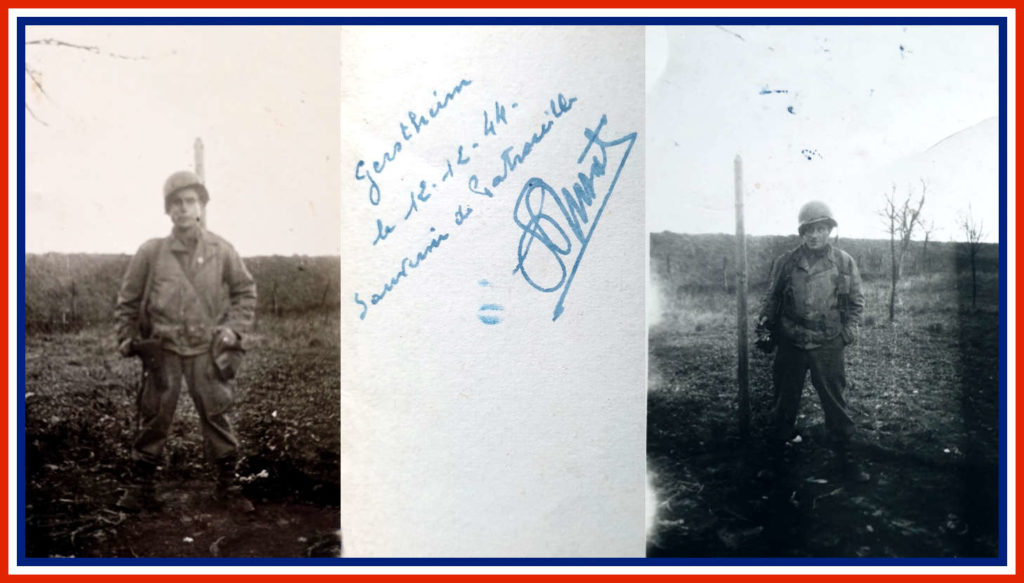
Blessé il est évacué sur l’hôpital de Lure le 26 décembre 1944. Il rejoint son unité à Sainte-Marie-aux-Mines le 9 janvier 1945.
Du 25 au 30 janvier 1945, Paul Muscat participe aux terribles combats du village de Jebsheim contre les redoutables chasseurs de montagne allemands de la 2ème Gebirgs Division.
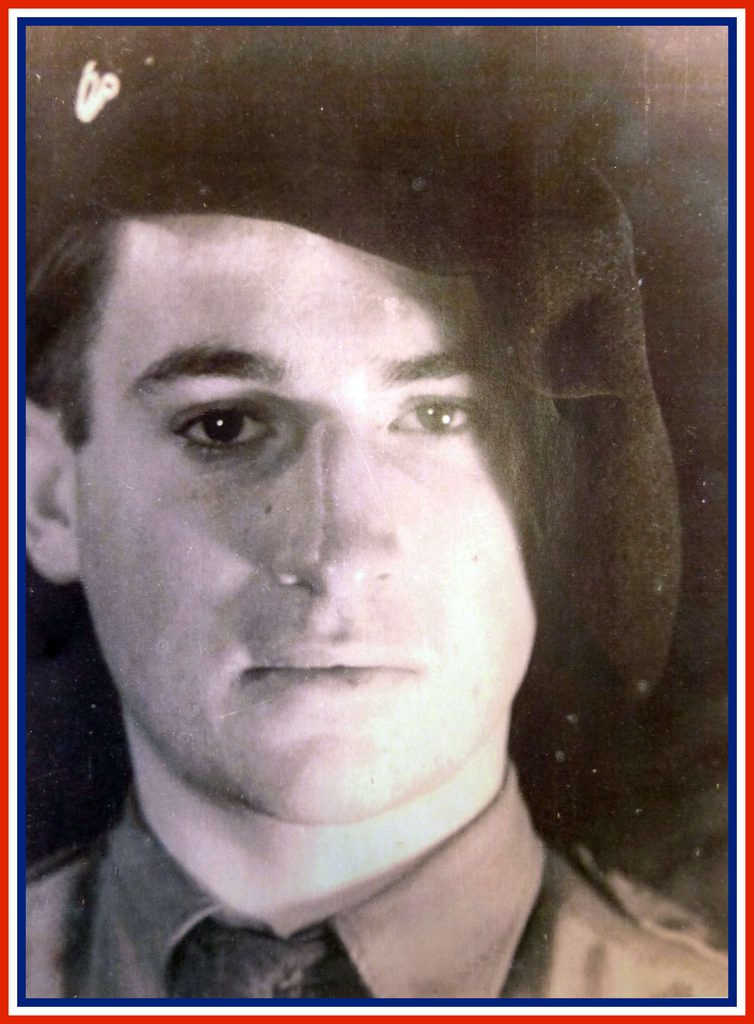
Le 2 février 1945 au soir il fait mouvement vers Colmar et stationne dans la caserne Lacarre. Le 1er RCP en totalité participe le 8 février 1945 au défilé avenue de la République et sur la place Rapp devant le Général de Lattre.
Le 11 février 1945, pendant que la majorité des officiers, sous-officiers et chasseurs-parachutistes fête en ville la victoire, à 23h, une bombe à retardement soigneusement cachée par les allemands explose soudainement et détruit la partie centrale de la caserne Lacarre. 5 parachutistes sont tués et 10 autres blessés…ils sont les dernières victimes de la campagne d’Alsace.

Le 19 février 1945, le 1er RCP quittent Colmar pour se rendre à Lons-le-Saulnier où les survivants vont récupérer de leur deux mois de terribles combats.

Le 3 avril 1945, Paul et ses camarades se dirigent vers Avord pour être « reconditionnés » en vue d’opérations projetées futures. Une école de sauts est créée pour parfaire l’entrainement et breveter les nombreux FFI du bataillon Hémon qui ne le sont pas.
Paul Muscat est nommé au grade de caporal à compter du 1 avril 1945 par le Lieutenant-Colonel Faure qui commande le 1er RCP.

Il part en permission le 1er juin et il est démobilisé au centre de démobilisation n°201 de Blida en date du 25 août 1945.


Paul Muscat est décédé le 13 février 1995.
Nous remercions très sincèrement son fils Hervé et sa famille pour le partage de leurs archives familiales afin que nous puissions rendre hommage à Paul Muscat et ses camarades. Nous n’oublierons pas leur engagement au service de la France.
En complément Paul Muscat et ses camarades :




Georges LHOTELAIN 1920 – 1945

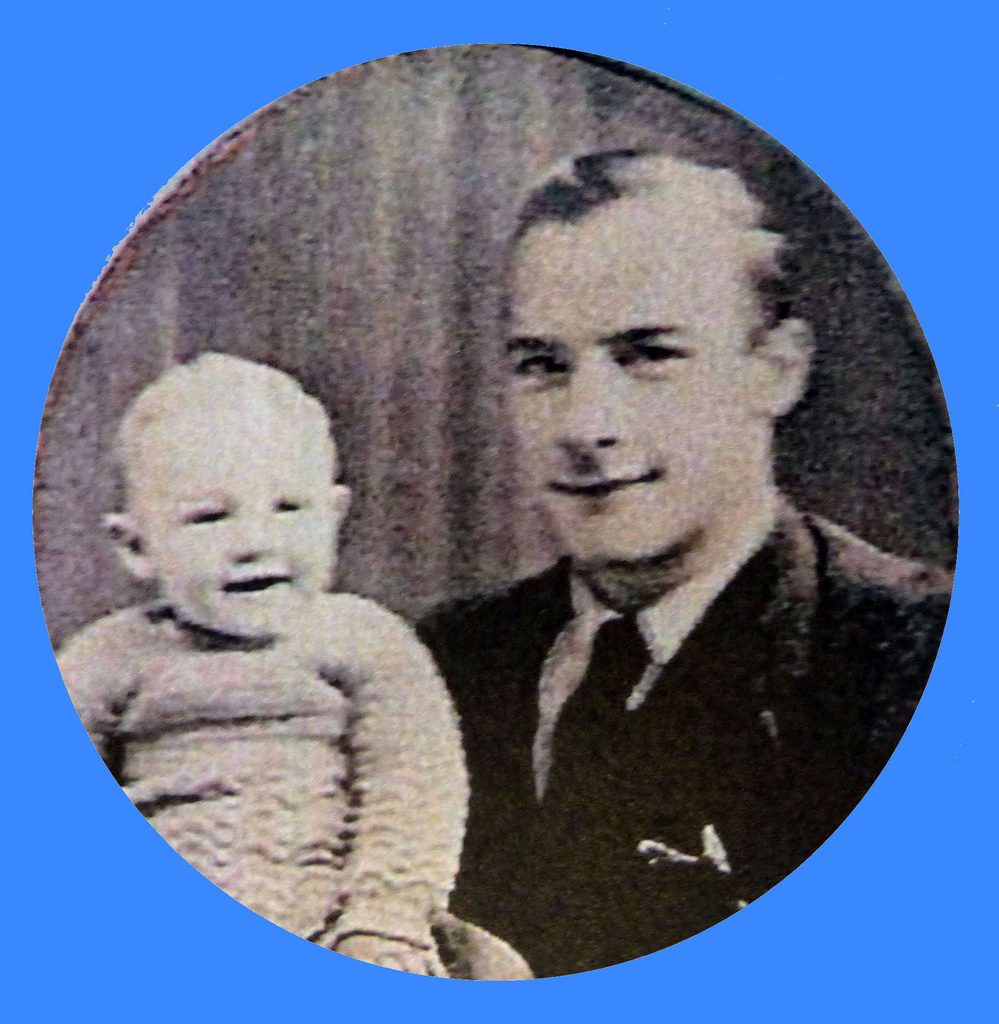
Georges Lhotelain est né le 14 mai 1920 dans le 20ème arrondissement de Paris (75).
Il est le fils de Léon Lhotelain (1882-1934) qui est négociant en grain et de Tysebaert Georgette (1894-1970) qui est femme au foyer.
Gilbert(1925-2003) est le frère cadet de Georges, il est né le 3 février 1925 à Guignicourt.
Gilbert rejoindra en 1944 le maquis du Vercors.
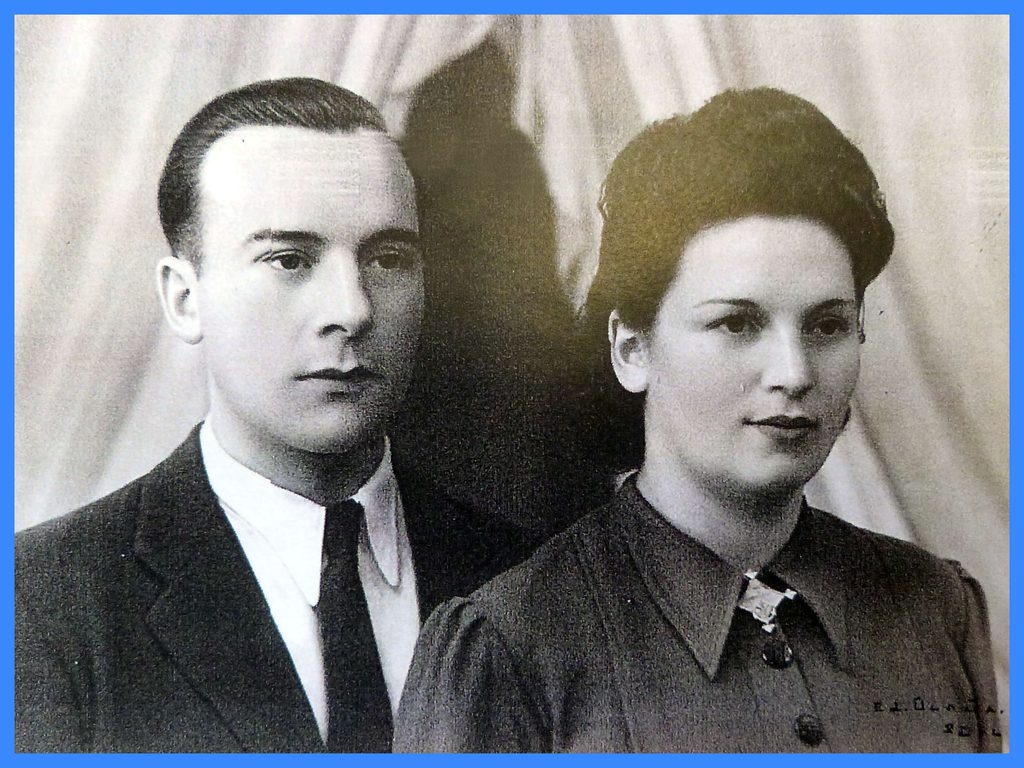
Georges se marie le 3 août 1940 à Hendaye avec Françoise Navarron (5/02/1921-7/02/2011). Ils se sont rencontrés à Paris, où Françoise faisait ses études d’infirmière aux hôpitaux de Paris.
Pendant l’occupation allemande il travaille comme chauffeur-livreur.
Le 12 décembre 1942 nait son fils Léon à Villard de Lans (38).
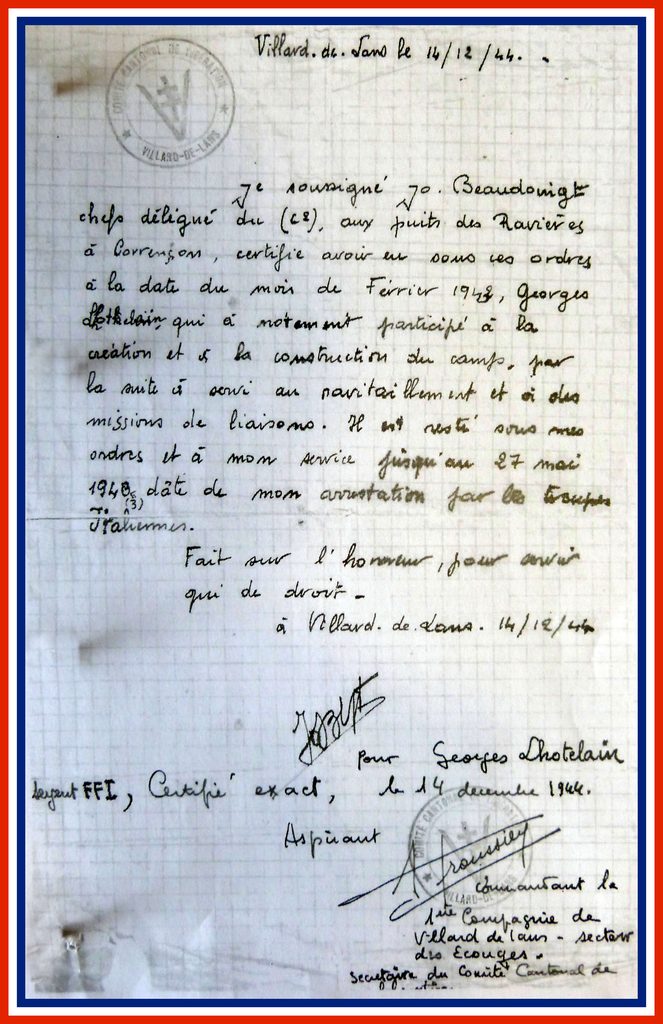
Du mois de février au 27 mai 1943 il participe à la création et à la construction du camp des maquisards du Vercors où il était sous les ordres du chef délégué Beaudouingt.

Il effectue également des ravitaillements et des missions de liaison.
A compter du 9 juin au 22 août 1944 Georges Lhotelain fait partie des Forces Françaises de l’Intérieur « Vercors » comme volontaire au côté de son frère Gilbert. Il réussit à déjouer l’encerclement allemand du plateau du Vercors (juillet 1944) pour se réfugier dans la vallée du Rhône.
Le 3 octobre 1944, Georges s’engage volontairement à Saint-Marcelin(38), pour 2 ans dans la première Armée du Général de Lattre au sein de la légion étrangère.
Il rejoint le Régiment de Marche de la Légion Etrangère (RMLE) qui est le régiment d’infanterie de la 5ème Division Blindée du Général de Vernejoul.

En tant que soldat de 2ème classe (matricule 14407) il est affecté à la 7ème compagnie (7ème Cie), IIème Bataillon du RMLE.
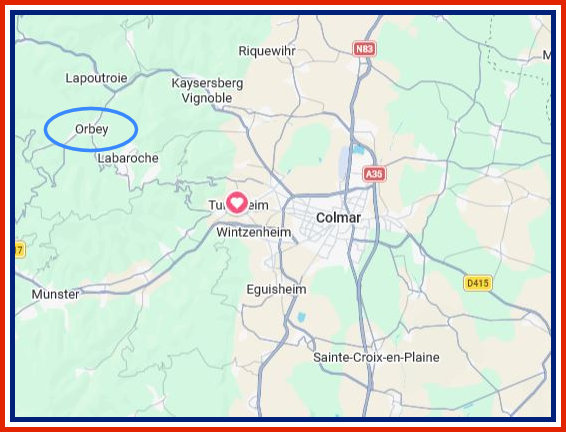
Après quelques semaines de formation militaire il rejoint son unité en Alsace pour participer aux combats de la poche de Colmar.
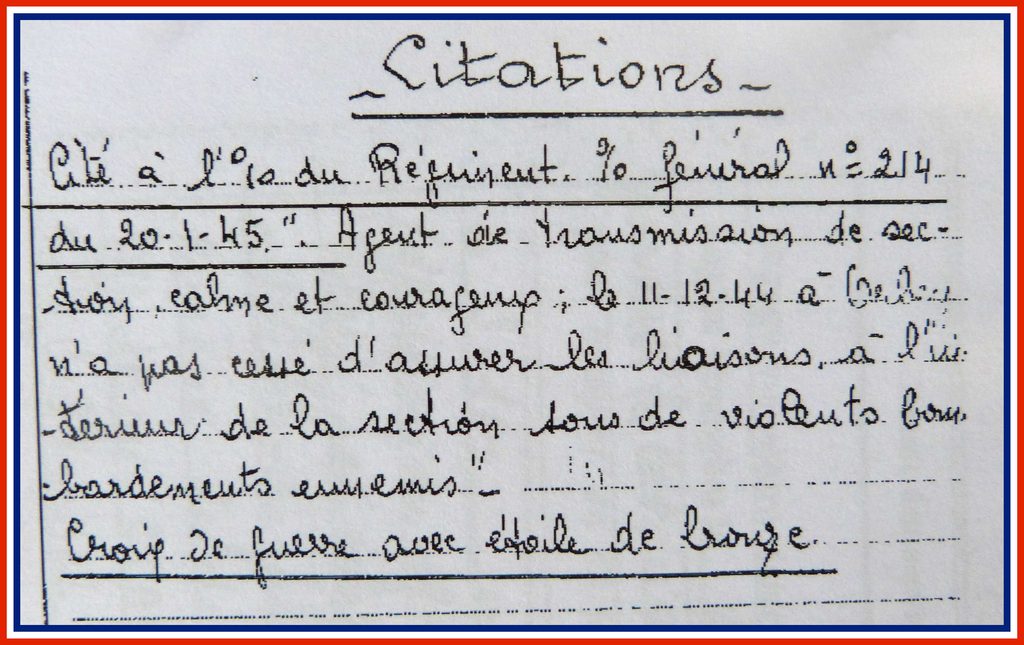
Il est cité à l’ordre du Régiment pour son action en décembre 1944 dans le secteur d’Orbey (68) avec attribution d’une Croix de Guerre 1939-1945 avec étoile de bronze :
« Agent de transmission de section, calme et courageux; le 11 décembre 1944 à Orbey n’a pas cessé d’assurer les liaisons à l’intérieur de la section sous de violents bombardements ennemis ».
Lors de la dernière phase (du 20/01/1945 au 10/02/1945) des combats de libération de la poche de Colmar il est blessé à l’épaule par éclat d’obus à Wihr-en-Plaine(68) le 30 janvier 1945 et évacué vers l’arrière pour être soigné.
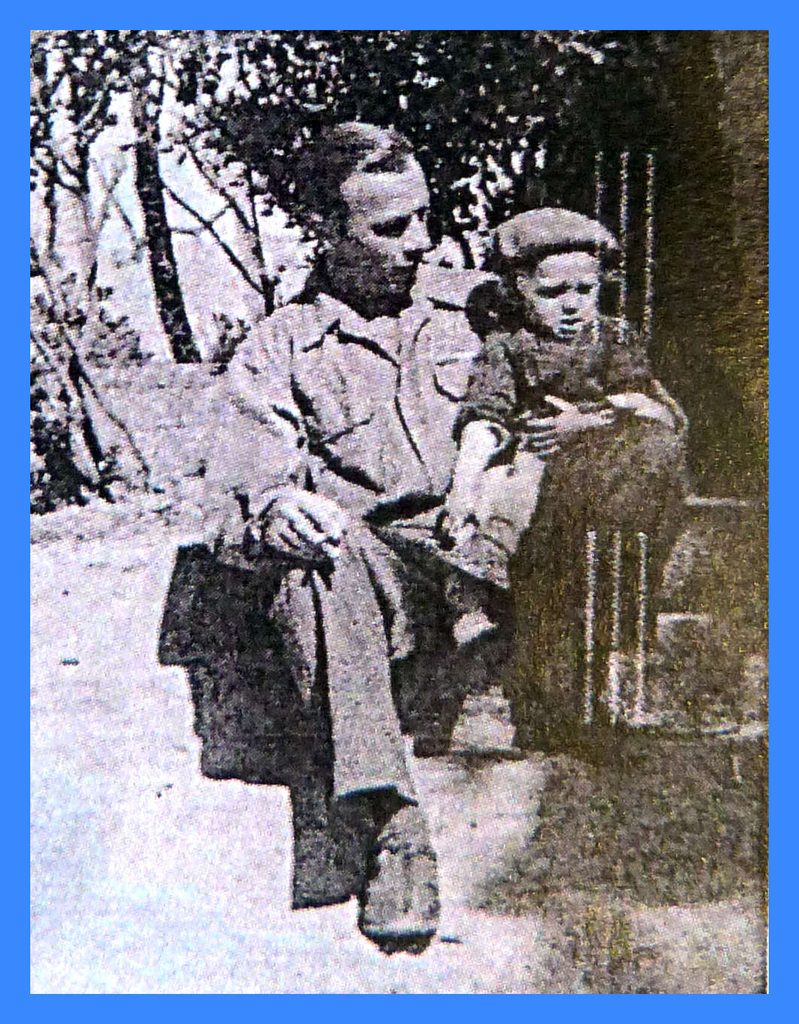
De retour de convalescence il est affecté au centre d’instruction de l’Armée Blindée (CIAB).
Le 1 avril il est de retour à la 7ème compagnie du RMLE.
Il participe à la campagne d’Allemagne avec son unité et il est grièvement blessé le 21 avril 1945 lors des combats de Vaiblingen par des éclats de grenade.
Le 1er mai 1945 il est nommé au grade de caporal.
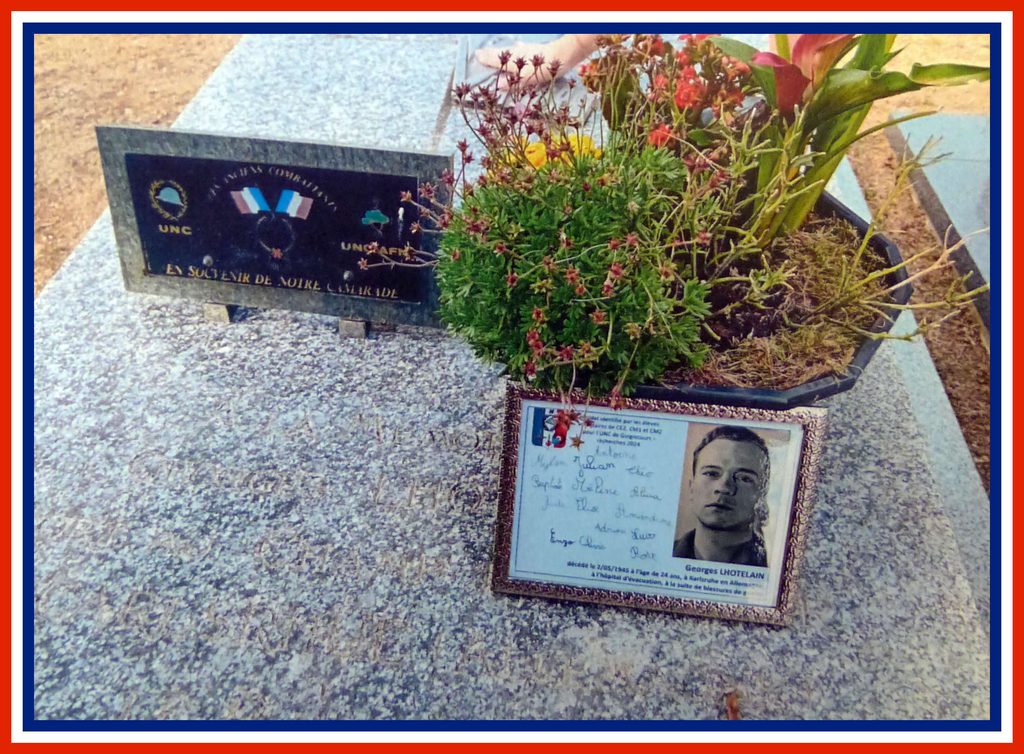
Il décède des suites de ses blessures le lendemain à l’Hôpital d’Evacuation 413 (HE413) qui se trouve à cette date à Karlsruhe.
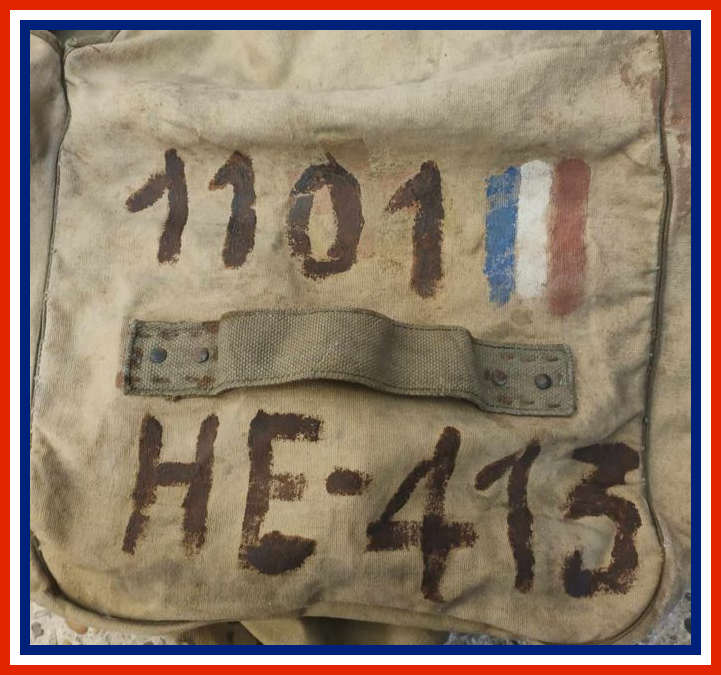
Georges Lhotelain est Mort pour la France à l’aube de ses 25 ans et laisse sa femme enceinte et son fils Léon dans la plus grande peine.
Le 18 mai 1945 née à Hendaye sa fille Anne-Marie qu’il ne connaîtra malheureusement jamais.
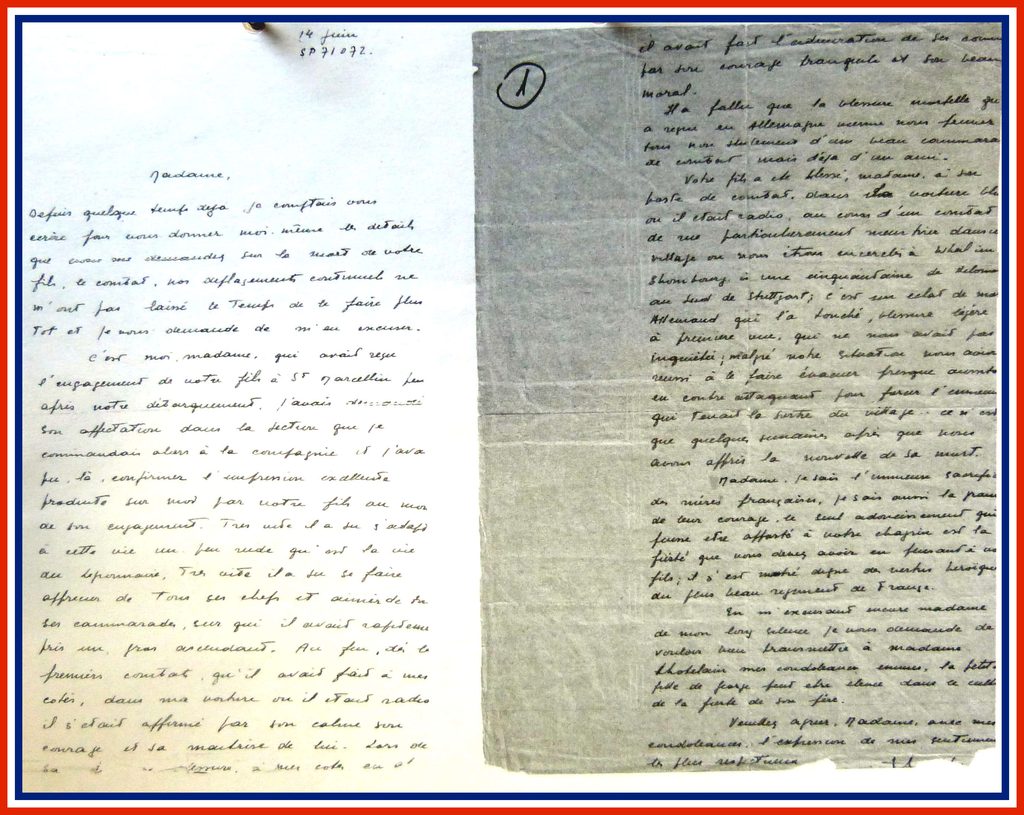
Le 14 juin 1945 la maman de Georges Lhotelain reçoit une lettre écrite par le capitaine Hallo commandant la 7ème compagnie pour lui donner les circonstances de sa mort. :
On y apprend que c’est le capitaine Hallo qui a reçu son engagement volontaire à Saint-Marcelin et qu’il avait demandé que Georges soit affecté dans la section qu’il commandait au sein de la 7ème Cie. Très vite Georges a su s’adapter à cette vie rude qui est la vie du légionnaire. Le capitaine indique qu’il a su se faire apprécier de tous ses chefs et camarades. Dès les premiers combats où il était au côté du capitaine Hallo en tant que radio il s’est affirmé par son calme, son courage et sa maitrise de lui. Blessé à Orbey au côté du capitaine il a fait preuve de courage et d’un bon moral. Lors de la campagne d’Allemagne il est grièvement blessé à son poste de combat au cours d’un combat de rue particulièrement meurtrier dans ce village (Vaiblingen) où ils étaient encerclés, à une cinquantaine de kilomètres au sud de Stuttgart. Blessé par éclat, la blessure ne semblait pas inquiétante à première vue et malgré la situation il a pu être évacué presque aussitôt grâce à une contre-attaque pour forcer l’ennemi qui tenait le centre du village. Il termine sa lettre en disant qu’il est conscient de l’immense sacrifice des mères françaises, de leur courage, et lui assure que son fils s’est montré digne des vertus héroïques du plus beau régiment de France.
Son fils Léon et sa fille Anne-Marie sont « adoptés » comme Pupille de la Nation en 1946.
Il est inhumé au cimetière français de Karlsruhe, puis exhumé à la demande de son épouse le 9 septembre 1948 pour être enterré à Strasbourg puis au cimetière d’Hendaye pour l’éternité.
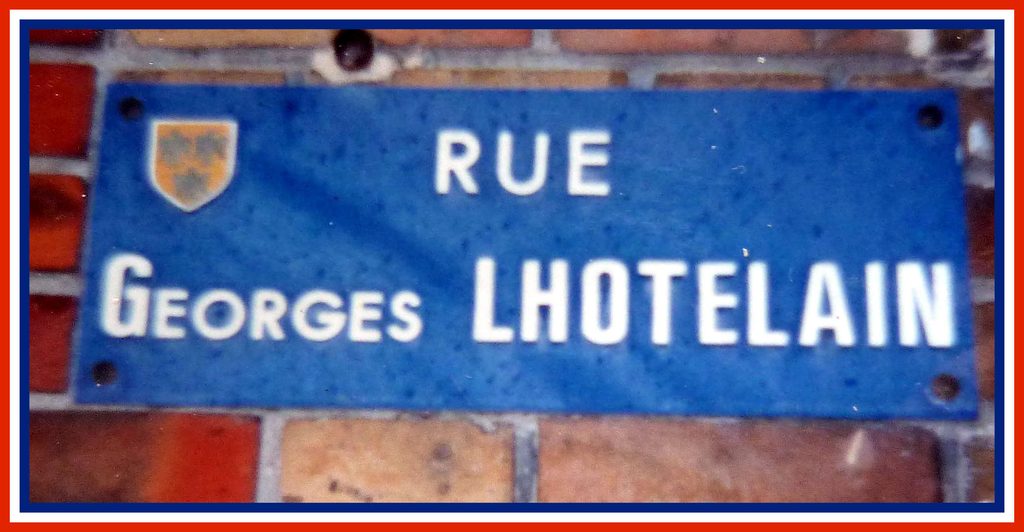
A Guignicourt la municipalité lui rend hommage en baptisant une rue à son nom.
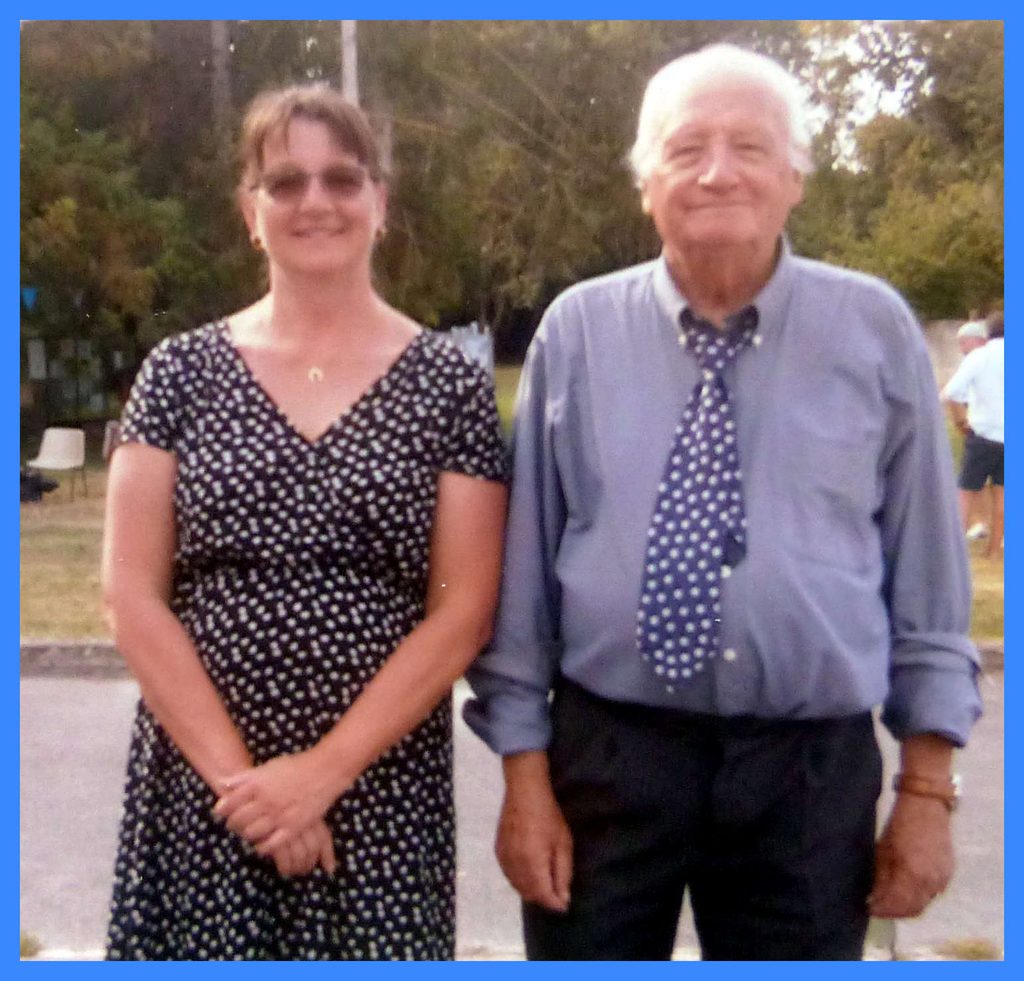
Nous remercions très sincèrement son fils Léon et sa petite fille Isabelle pour la partage de l’histoire de leur père qui a fait le sacrifice ultime pour nous libérer du joug nazi.
Sources : archives Lhotelain – Ministère de la Défense – ville de Guignicourt – internet .
Robert L. O’Connor 1921 – 2011

Robert L. O’Connor – colorisation klm127.
Bob was born near Lucas in Gregory County South Dakota on Sept. 29, 1921.
He attended school in Burke, Pierre, and Sioux Falls where he graduated from Cathedral High School in 1939. Bob enrolled at Augustana College where he played on the 1942 Championship football team.
With only one semester left, 20 year old Bob enlisted in the armed forces along with the rest of his football team. During World War II, Bob was a combat infantry man with the 75th Infantry Division. He was in Battle of the Bulge during the Ardennes Campaign, Colmar Campaign, and Central European Campaign. His military awards include the Bronze Star, 3 Campaign Stars, and the Sterling Silver Expert Rifle Badge. Following the end of World War II, he marched in the New York City Victory Parade.

He graduated from Augustana College in 1946 and the University of South Dakota Law School in 1949. Following graduation he worked for the FBI in Washington, DC. He practiced law in Sioux Falls for 56 years. His office was across the street from the courthouse, a familiar place to all his clients and friends. In 1999 the South Dakota Bar Association recognized him for serving his profession with distinction and honor for 50 years. He retired in 2005.
As chairman of the Minnehaha Co. Democratic Party, Bob was one of the cofounders of the Democratic Forum. He welcomed presidential candidate, Senator John F. Kennedy when he came to Sioux Falls in 1960. Bob greeted President Harry S. Truman at the Harry Truman Bean Feed fundraiser.
In 1957 he married Eileen Dolan at St. Teresa Catholic Church in Beresford, SD. Bob was a 50 year member of Christ the King Catholic Church where he served as an usher. As an avid sportsman, he coached his son’s baseball team and could be often heard coaching his children and grandchildren from the sidelines. Bob attended all of his children’s and grandchildren’s activities. He enjoyed speaking to classes on World War II, traveling, playing bridge, watching football and baseball, and woodworking. Bob was an avid reader who wrote a book on his experiences in World War II.
Bob will be greatly missed by his wife Eileen of 54 years, and his 5 children Kate (Gary) Schnack, Austin, TX; Kim (Matt) Metzgar, Elk Point, SD; Kay (Mark) Bryant, Eagan, MN; Karol (Larry) Eckel, Rochester, MN; and Robert O’Connor, (special friend, Maureen Keeley), Sioux Falls. He is survived by grandchildren Chris Bolin, Hope and Tony Metzgar, Emily and Kelly Bryant, Leo, Theresa, Tom and Greta Eckel. He was preceded in death by his father, Vincent, mother, Gertrude and his two sisters, Gwen Broman and Ruth DeBelser.
Bob was a champion of the less fortunate. He will be remembered for his honesty, generosity, kind nature and great sense of humor.
Robert O’Connor, 90, of Sioux Falls, died Wednesday, October 12th at the Veterans Administration medical center following a courageous battle with ALS.
Gilman M. MARTIN 1924 – 1945

Leon FOLTZER 1924 – 1945

Je m’appelle Léon Foltzer, je suis né le 1er décembre 1924 à Ribeauvillé dans le département du Haut-Rhin(68).

Avant que la guerre éclate, j’exerce le métier de cuisinier.
Le 25 août 1942, l’incorporation de force des Alsaciens-Mosellans dans l’armée allemande est actée par le Gauleiter Wagner.
Par patriotisme et pour rester français, je fuis l’Alsace, traverse les Vosges et me rends à Agen(47) dans le Sud-Ouest de la France où réside des membres de ma famille, expulsés en 1940 par les nazis car francophile. Je trouve un travail civil comme forestier dans les Landes.

En 1944, je rentre en résistance et participe à plusieurs coups de main avec le Corps Franc Maurice Adam. En particulier le 1er juin 1944 à Lerm-et-Musset(33) en Gironde contre une colonne allemande.

Le 22 octobre 1944, je m’engage dans la Première Armée Française chez les « marsouins » du 6ème Régiment d’Infanterie Coloniale (6ème RIC) de la 9ème Division d’Infanterie Coloniale (9èmeDIC).

Je suis affecté comme soldat de 2ème classe, à la 7ème Compagnie (7èmeCie) du 2ème Bataillon du 6èmeRIC.

Du 15 novembre au 19 novembre 1944, je participe aux combats de la Boucle du Doubs du côté de Colombier-Fontaine(25) près de Montbéliard(25).

Le 10 décembre 1944 Léon et ses camarades libèrent le village de Kembs-Loechlé et l’usine hydroélectrique.


Le 20 janvier 1945, jour du déclenchement de la grande offensive au nord de Mulhouse, je traverse la rivière Doller à hauteur de l’usine Manurhin vers 12h00. Ma compagnie(7ème Cie), a pour ordre d’investir avant la tombée de la nuit, le village de Kingersheim(68).

Avec ma section, je quitte le village d’Illzach(68) conquis à 16h00. A 17h00, je suis mortellement blessé entre ces deux villages par un éclat d’obus de mortier…j’ai 20 ans à peine.

Je repose à la Nécropole Nationale des Vallons à Mulhouse à côté de mes frères d’armes avant de trouver mon dernier repos au cimetière communal de Ribeauvillé, village qui m’a vu naître et grandir.


Nous remercions sincèrement la Société d’Histoire de Kingersheim pour le partage de l’histoire tragique de Léon Foltzer et qui nous permet de lui rendre hommage pour le sacrifice ultime de sa vie afin de libérer son Alsace natale.
Albrecht ENGLERT 1924 – 2020

Jack H. MURPHY 1924 – 1945
